Coolant Distribution Unit (CDU) for AI & HPC Cooling

All Categories
Controlled Liquid Cooling for High-Power Computing Equipment

Controlled Liquid Cooling for High-Power Computing Equipment

A coolant distribution unit provides centralized control of liquid coolant for high-density servers, AI systems, and data center infrastructure. It manages coolant circulation, distribution, temperature, and pressure between facility cooling equipment and technology-side loops. Depending on project requirements, the unit can integrate pumps, heat exchangers, manifolds, valves, filters, sensors, monitoring systems, and control components. Configuration can be adapted to thermal load, flow rate, supply and return temperatures, operating pressure, coolant properties, rack density, and installation space. A CDU can support direct-to-chip cooling by delivering coolant to CPU and GPU cold plates and collecting warmed fluid for heat rejection. This architecture is suitable for AI training infrastructure, HPC clusters, cloud computing, telecom equipment, and enterprise data centers requiring scalable liquid cooling for increasing rack power densities.
Get A Quote

Case Study

AI GPU Server Cooling

An AI data center needed liquid cooling for GPU servers with high rack-level thermal loads. A coolant distribution unit was configured as the connection point between the facility cooling system and dedicated technology-side cooling loops. The CDU circulated coolant through supply manifolds, hoses, and quick disconnects toward GPU cold plates, then collected warmed fluid through the return circuit. Engineers considered total GPU thermal load, required flow rate, pressure drop, supply and return temperatures, and coolant compatibility when designing the system. Monitoring sensors could be incorporated to track operating conditions. The configuration provided centralized coolant management for multiple GPU racks while allowing additional cooling branches to be connected as AI computing capacity expanded.

HPC Cluster Cooling

A high-performance computing facility required a liquid cooling system for servers containing power-intensive CPUs and GPUs. The coolant distribution unit connected the facility cooling infrastructure with dedicated technology-side loops serving individual racks. Coolant was distributed through rack manifolds to processor cold plates before returning to the CDU for heat transfer and recirculation. System planning considered cluster thermal load, branch flow requirements, pressure conditions, supply temperature, return temperature, coolant properties, and maintenance access. Pumps, heat exchangers, valves, filters, and monitoring components could be integrated according to the required architecture. The solution provided organized coolant management across multiple HPC racks while supporting future expansion as computing workloads and equipment density increased.

Data Center Liquid Cooling Upgrade

An existing data center wanted to introduce liquid cooling for high-density servers without replacing its entire cooling infrastructure. A coolant distribution unit was used to establish a dedicated interface between facility-side cooling and new technology-side liquid loops. The CDU supplied coolant to selected rack manifolds and collected warmed fluid from server cold plates. Engineers evaluated available facility cooling capacity, rack thermal load, flow rate, pressure, supply and return temperatures, coolant compatibility, and installation space. Additional valves, pumps, sensors, filtration, and heat exchange components could be incorporated where required. This approach enabled a phased liquid cooling deployment, allowing the data center to begin with selected high-density racks and expand the cooling network as new servers were installed.

Related products

A coolant distribution unit is a core component of liquid cooling infrastructure for high-density computing environments. It manages coolant circulation between the facility cooling system and technology-side loops serving server racks or processor-level cooling equipment. Depending on the architecture, a CDU can include pumps, heat exchangers, manifolds, valves, filters, sensors, controls, and monitoring interfaces. In direct-to-chip applications, it can deliver coolant to CPU, GPU, and accelerator cold plates while collecting warmed fluid through dedicated return paths. Important design parameters include total thermal load, coolant flow rate, supply and return temperatures, operating pressure, pressure drop, fluid properties, heat exchanger capacity, rack density, and the number of connected cooling circuits. CDUs are applicable to AI data centers, HPC facilities, cloud infrastructure, telecom systems, and enterprise server environments. A modular configuration can support current cooling requirements while providing connection options for future rack expansion.

Frequently Asked Questions

What is a coolant distribution unit?

A coolant distribution unit, commonly called a CDU, manages liquid coolant between facility cooling infrastructure and technology-side equipment loops. It can circulate fluid, distribute coolant to multiple branches, control operating conditions, and collect warmed return fluid. CDUs are commonly used with liquid-cooled servers, AI systems, HPC clusters, and high-density data centers.
A CDU provides a controlled interface between facility cooling and IT equipment. It can manage coolant circulation, flow, pressure, and temperature while distributing fluid to server racks or direct-to-chip cooling loops. Depending on the system architecture, it can also transfer heat between primary and secondary cooling circuits.
Yes. A CDU can supply coolant to GPU cold plates through dedicated rack-level supply and return circuits. Configuration should consider GPU thermal load, coolant flow rate, pressure drop, supply and return temperatures, fluid compatibility, the number of connected servers, and the cooling capacity available from the facility infrastructure.
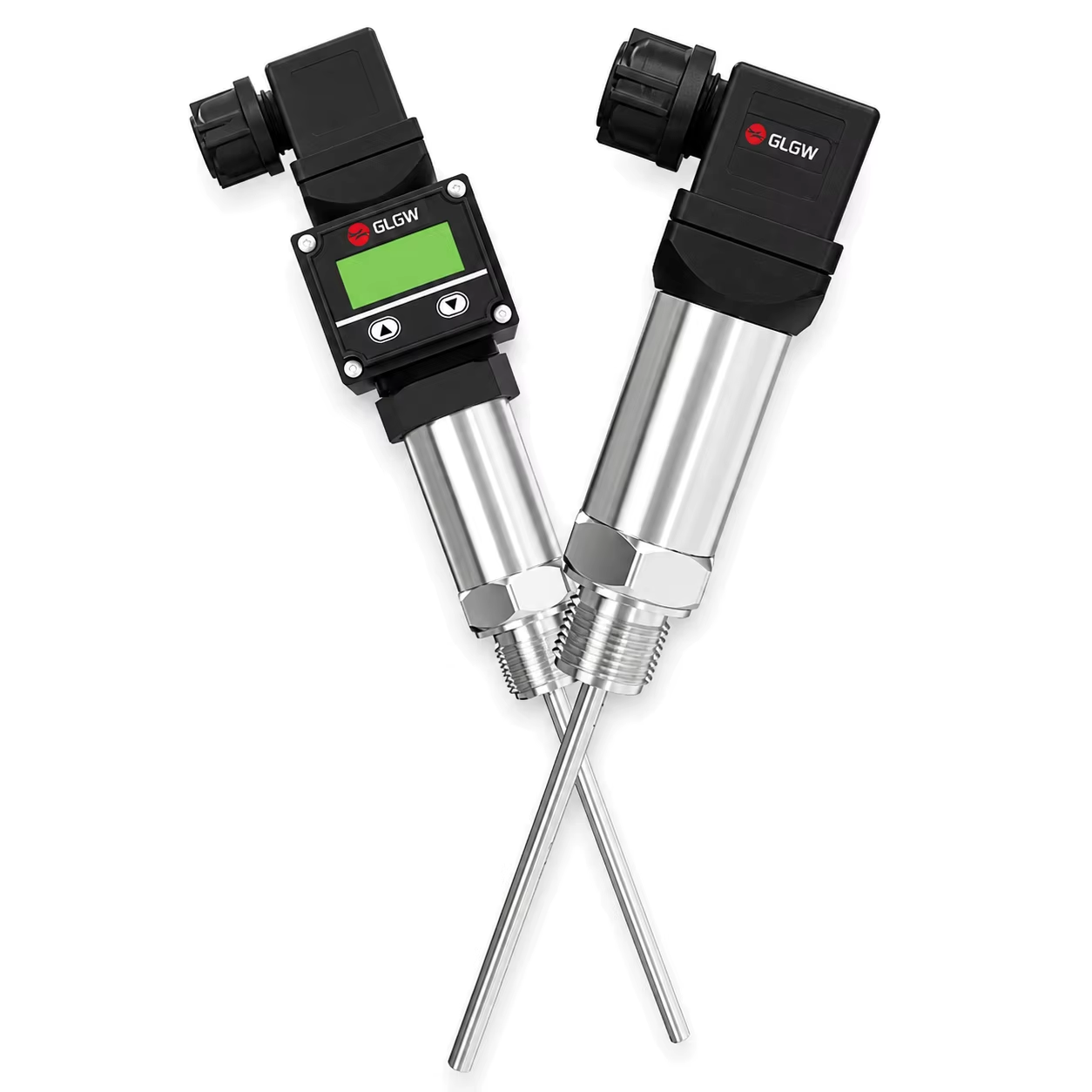
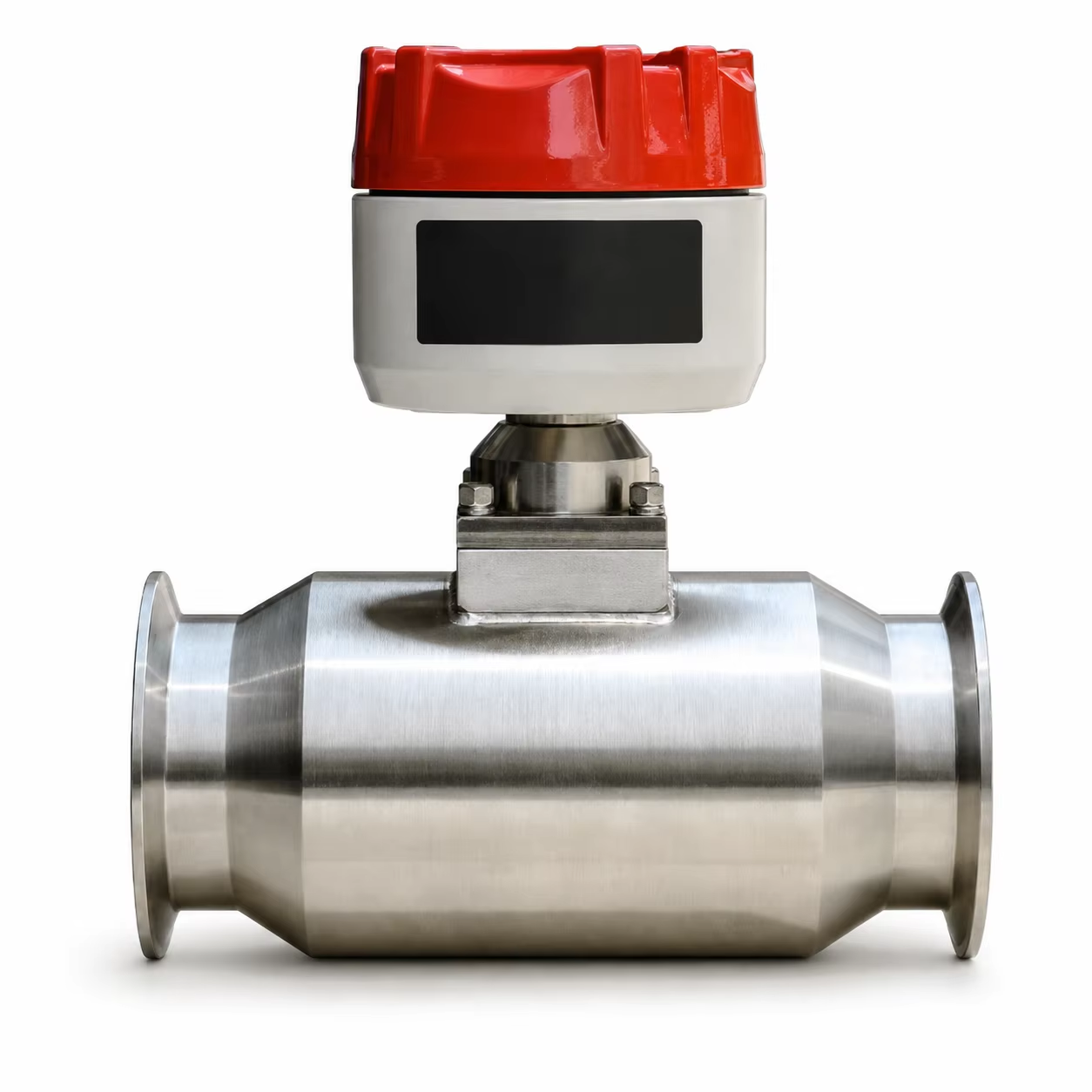
Depending on the application, a CDU may include pumps, heat exchangers, manifolds, valves, filters, temperature and pressure sensors, flow meters, controls, and monitoring interfaces. The component configuration depends on cooling capacity, coolant type, rack density, facility conditions, installation requirements, and the desired liquid cooling architecture.
Selection should consider total thermal load, required coolant flow, supply and return temperatures, operating pressure, pressure drop, fluid compatibility, heat exchanger capacity, connected rack count, and future expansion. Engineers should also evaluate facility cooling capacity, physical dimensions, connection requirements, monitoring functions, maintenance access, and installation conditions.

Related article

2026 Trends: Smart AI Needs Better Cables for Big Computer Buildings and Homes

08

May

2026 Trends: Smart AI Needs Better Cables for Big Computer Buildings and Homes

View More
High-Flex Ethernet Patch Cable for Data Center Connections.

18

Aug

High-Flex Ethernet Patch Cable for Data Center Connections.

High-density data center environments present severe mechanical and spatial challenges for network cabling. As rack densities increase with switch port counts climbing to 48 or 64 ports per rack unit (RU), traditional thick, rigid copper patch cord...
View More
High durability patch cord for industrial network systems.

07

Sep

High durability patch cord for industrial network systems.

Industrial Patch Cord Explained: Construction, Durability, and Selection Guide for Harsh Environments What Is an Industrial Patch Cord and Why Is It Different from Standard Network Cables? An industrial patch cord is a specially designed Ethernet c...
View More
Shielded structure improves anti-interference of data cables.

11

Sep

Shielded structure improves anti-interference of data cables.

Shielded Data Cable Explained: How It Prevents EMI and Improves Network Reliability What Is a Shielded Data Cable? A shielded data cable is a type of network cable designed with an additional conductive layer around the internal wires to protect da...
View More

Customer Testimonials

Michael Turner

The CDU provided an organized interface between our facility cooling system and GPU rack loops. The modular distribution arrangement also gave our team more flexibility during the installation.

James Foster

We integrated the CDU into an HPC cooling project serving multiple server racks. The centralized coolant management helped simplify connections and provided room for future expansion.

Get a Free Quote

Our representative will contact you soon.
Email
Mobile/WhatsApp
Name
Company Name
Message
0/1000
Centralized Coolant Control

Centralized Coolant Control

A coolant distribution unit centralizes the management of liquid coolant for high-density computing systems. The CDU can receive coolant from facility-side infrastructure and circulate it through a dedicated technology-side loop serving one or multiple racks. Pumps maintain circulation, while manifolds divide flow between individual cooling branches. Sensors can monitor temperature, pressure, and flow conditions to provide visibility into system operation. Valves and filters may be integrated for regulation and maintenance, while a heat exchanger can separate facility and technology cooling loops when required. This architecture is suitable for AI, HPC, cloud, and enterprise data centers where multiple high-power servers need coordinated liquid cooling. CDU configuration can be planned around current thermal loads, rack density, facility conditions, and future capacity requirements.
Direct-to-Chip Cooling Integration

Direct-to-Chip Cooling Integration

A coolant distribution unit can support direct-to-chip liquid cooling for CPUs, GPUs, and other high-power processors. Coolant is supplied through manifolds and connection lines to cold plates positioned directly on processor packages. After absorbing heat, the warmed coolant returns through the technology-side loop toward the CDU for cooling or heat transfer. System configuration can account for processor thermal load, coolant flow, pressure drop, supply and return temperatures, and fluid compatibility. Quick disconnect couplings and isolation valves can provide convenient connection and maintenance options. This architecture is suitable for AI training servers, inference platforms, HPC clusters, and high-density data centers where processor-level liquid cooling is required to manage increasing thermal loads.
Scalable Data Center Deployment

Scalable Data Center Deployment

A coolant distribution unit can provide a scalable foundation for expanding liquid cooling across data center infrastructure. The system can initially serve selected high-density racks and later connect additional cooling branches as IT requirements grow. Engineers can configure CDU capacity around total thermal load, coolant flow, pressure, temperature conditions, facility cooling availability, and rack connection requirements. Manifolds, pumps, valves, filters, sensors, and monitoring systems can be incorporated according to project needs. This modular approach supports phased deployment for AI clusters, HPC systems, cloud platforms, and enterprise data centers. By planning distribution capacity and connection points in advance, operators can introduce liquid cooling progressively while maintaining organized supply and return paths for existing and future high-power computing equipment.

Get a Free Quote

Our representative will contact you soon.
Email
Mobile/WhatsApp
Name
Company Name
Message
0/1000