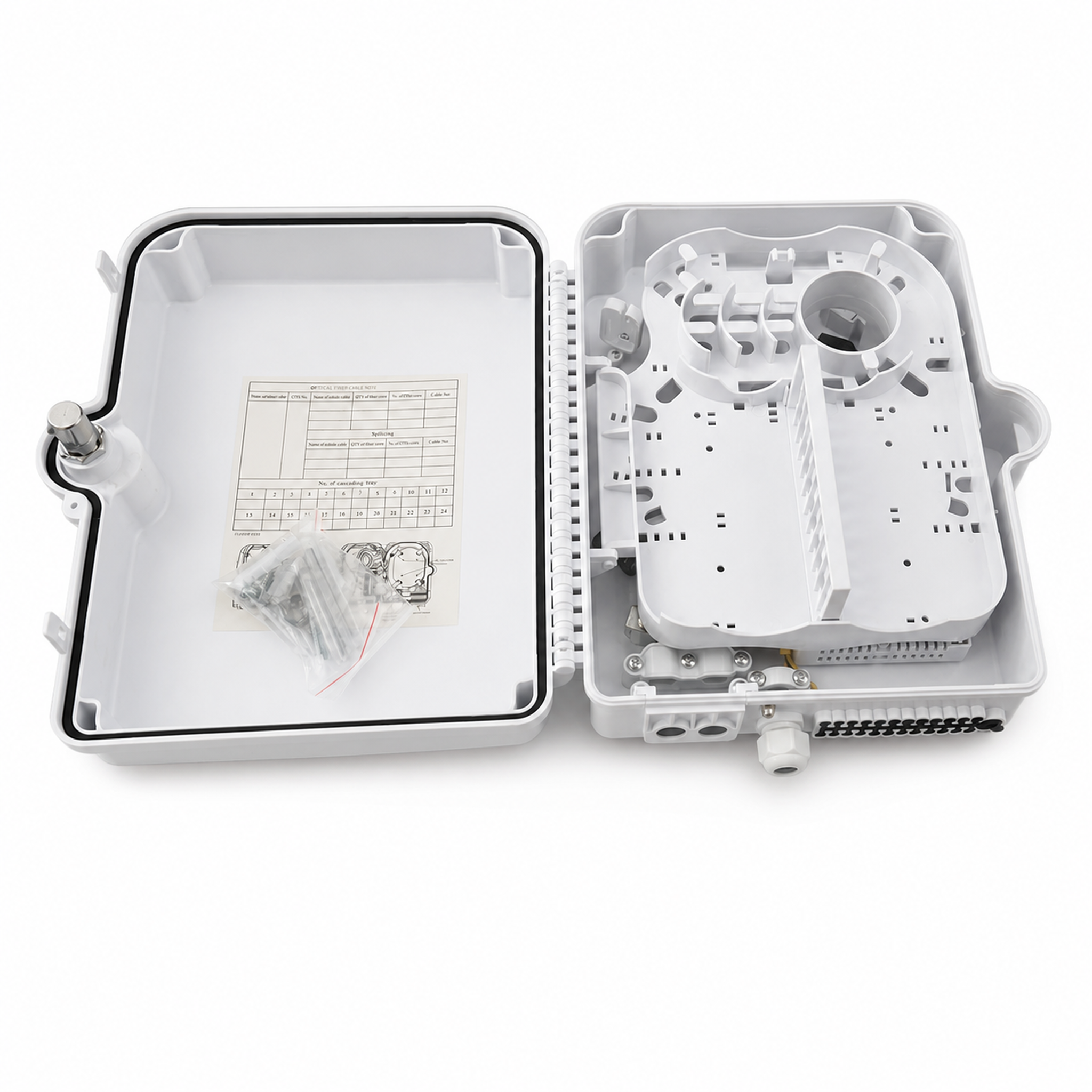
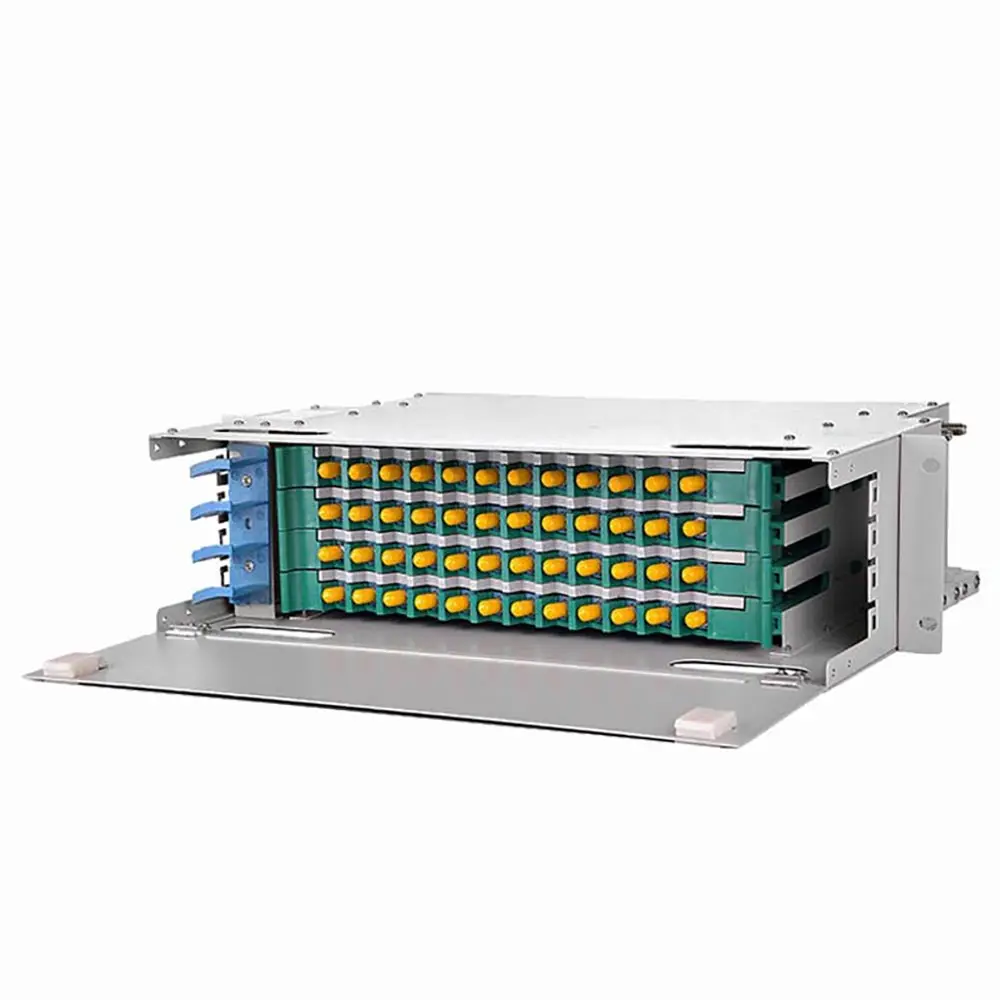
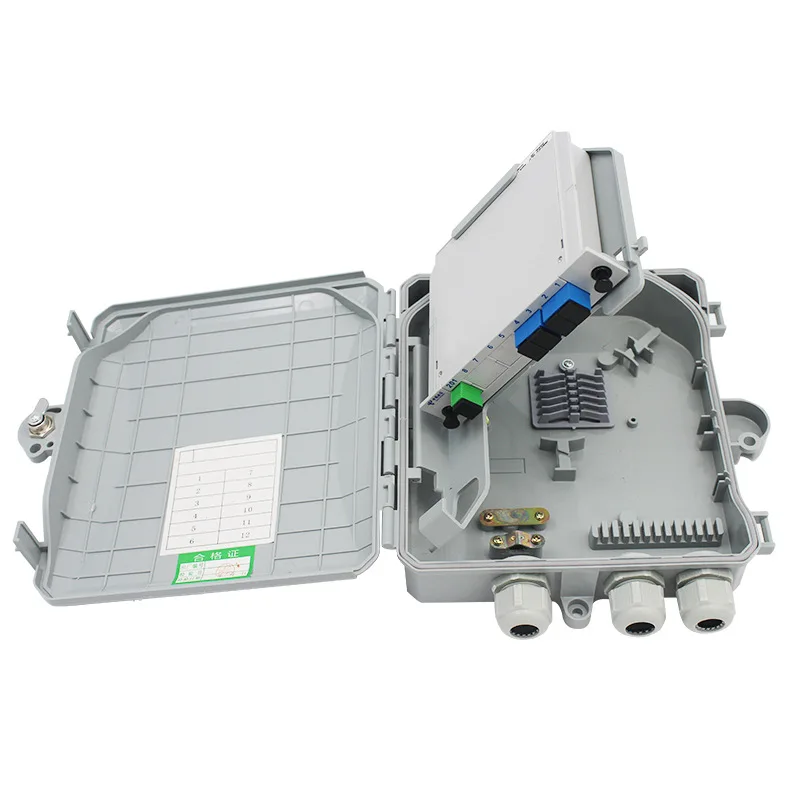
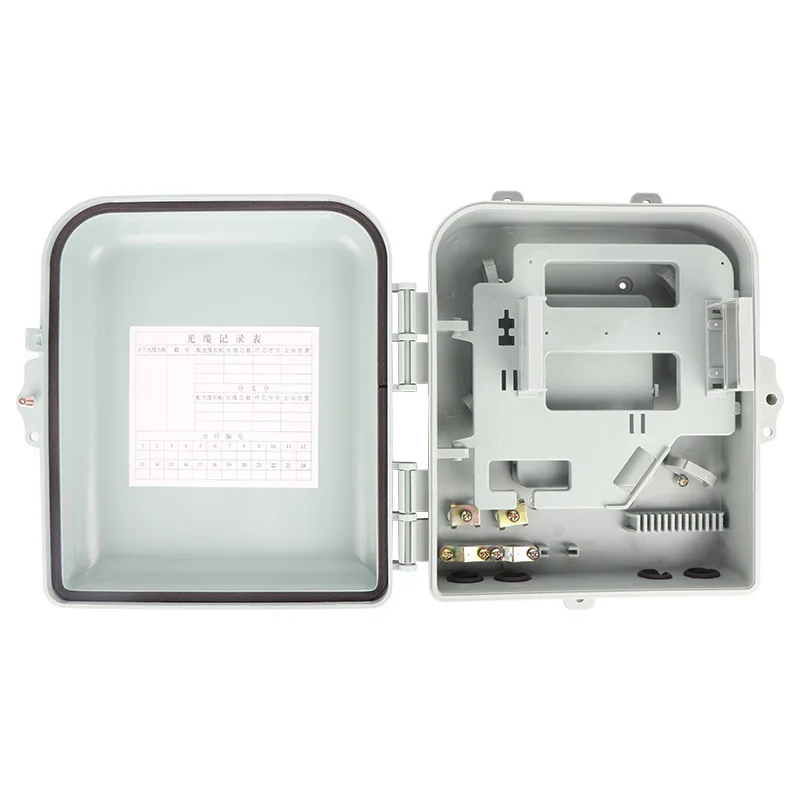
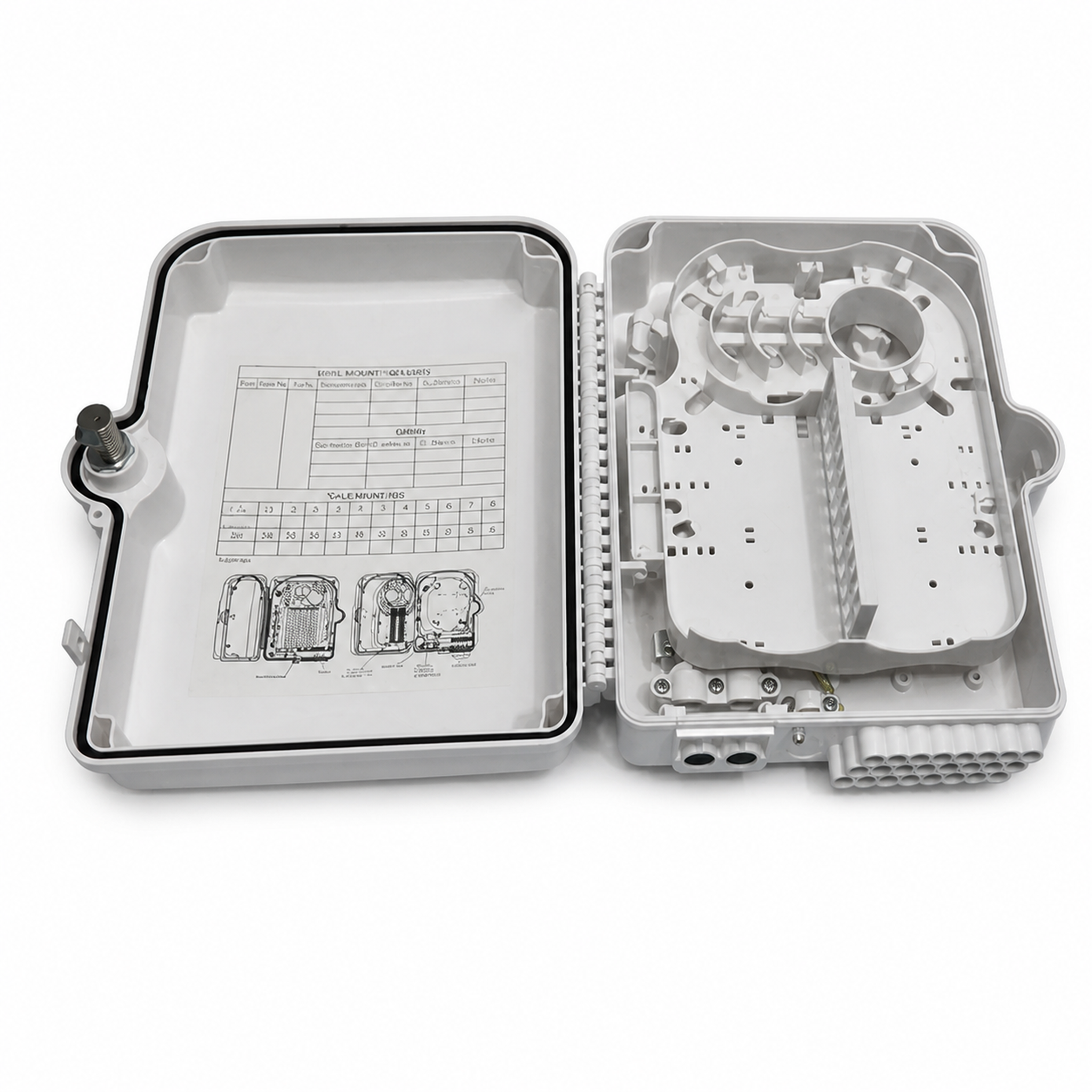
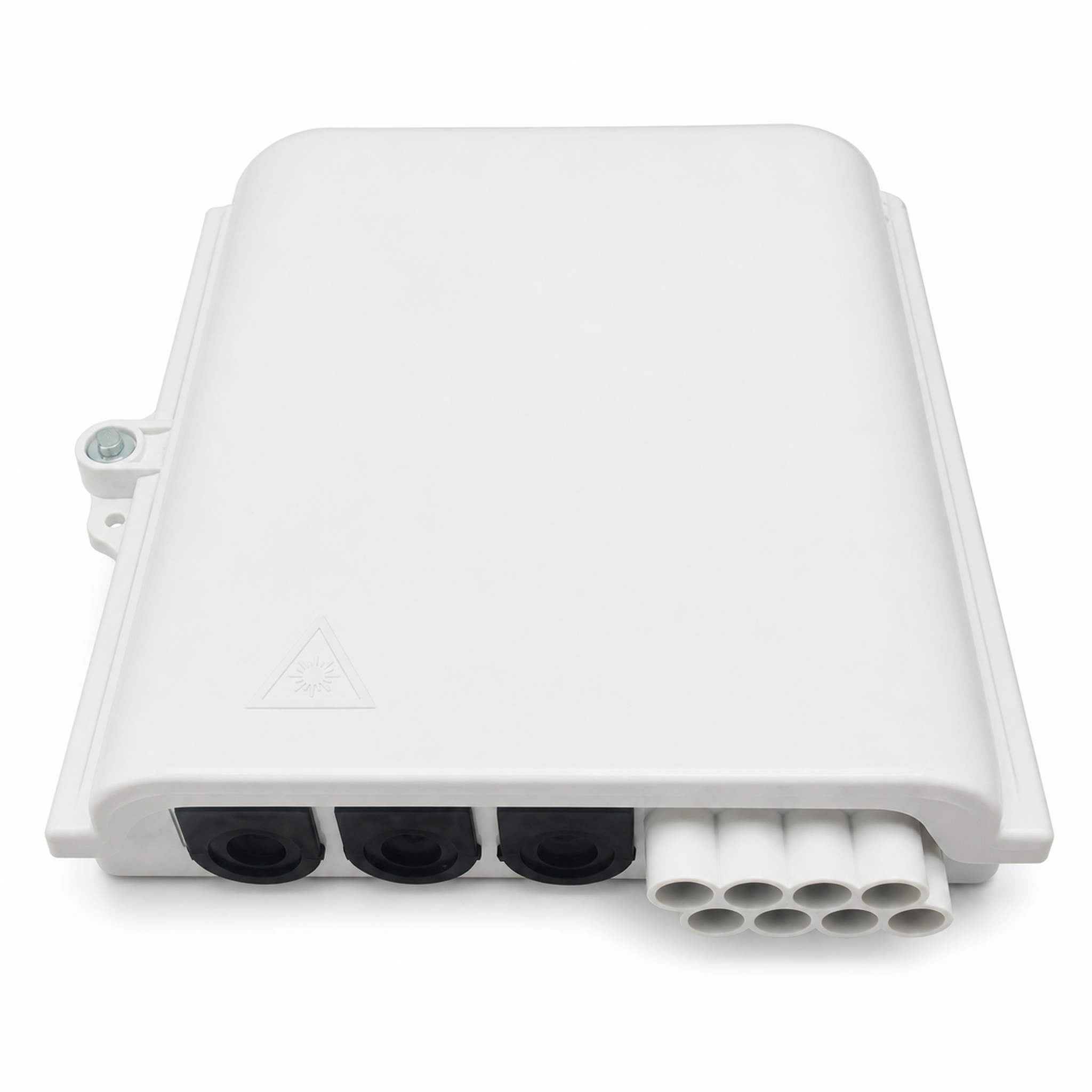
Optical Distribution Cabinet: High-Capacity Fiber Management for FTTH & Data Centers

All Categories
High-Capacity Optical Distribution Cabinet for Organized Fiber Management and Reliable Network Deployment

High-Capacity Optical Distribution Cabinet for Organized Fiber Management and Reliable Network Deployment

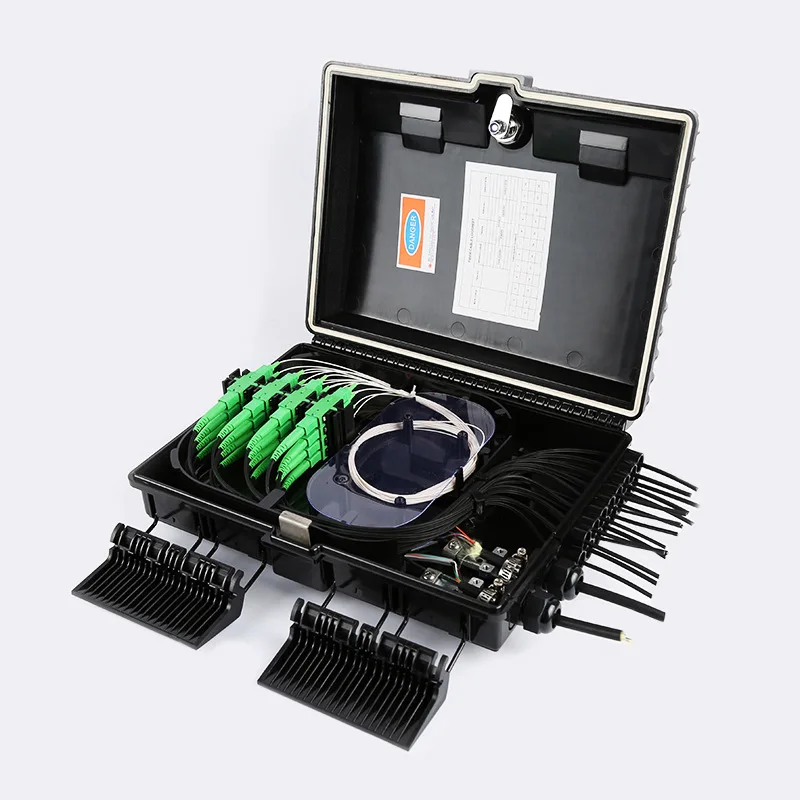
An optical distribution cabinet provides a centralized structure for fiber termination, splicing, patching, and distribution in telecom and data communication networks. It helps installers organize high-density fiber connections while keeping cables accessible for testing, maintenance, and future expansion. Depending on the configuration, cabinets can accommodate different fiber counts, adapter types, splice modules, and routing arrangements to match project requirements. Separate areas for incoming and outgoing fibers can also simplify cable identification and reduce congestion during network operation. For FTTH, backbone, enterprise, and data center applications, a properly configured optical distribution cabinet supports efficient fiber management and cleaner installation. Modular layouts make it easier to add connections as subscriber numbers, network capacity, or equipment requirements increase.
Get A Quote

Case Study

Telecom Backbone Fiber Distribution

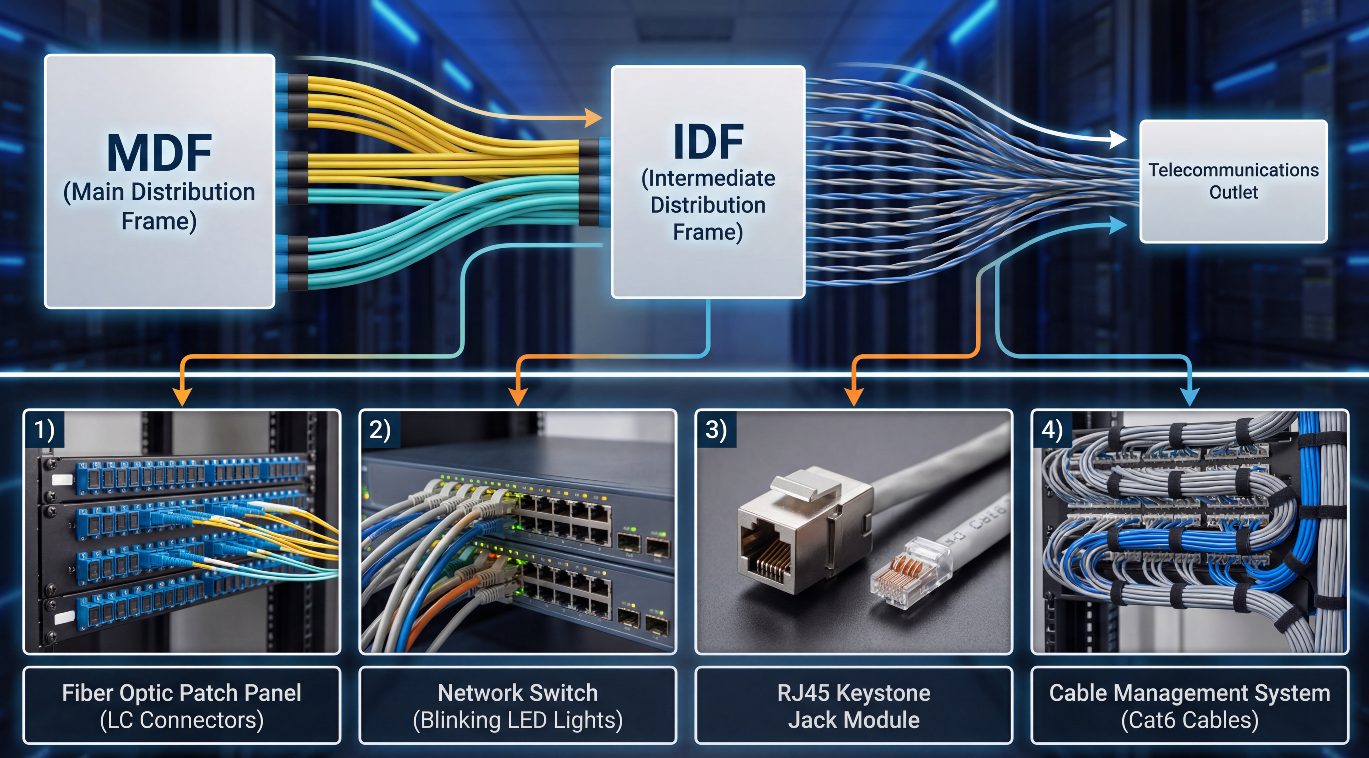
In telecom backbone networks, an optical distribution cabinet can centralize multiple fiber cables entering from different routes and organize them into clearly managed termination and patching areas. This arrangement makes it easier for technicians to identify individual fiber paths, perform testing, and complete maintenance without disturbing unrelated connections. Cabinets can be configured according to fiber capacity, connector requirements, splice arrangements, and available installation space. For expanding communication networks, additional connection capacity can be planned in advance to reduce future installation work. The structured layout also helps protect fiber routing from unnecessary bending and cable congestion, supporting more efficient management of backbone infrastructure across telecom rooms, equipment areas, and network distribution sites.

FTTH Network Distribution

FTTH deployments require organized fiber distribution between feeder cables, distribution cables, and subscriber access points. An optical distribution cabinet can provide a centralized location for fiber termination, splicing, patching, and connection management. For larger residential developments, operators can select suitable fiber capacity and connection layouts based on subscriber density and network architecture. Clearly arranged fiber routing helps technicians locate individual connections during installation or service operations. The cabinet can also provide space for future network expansion when additional users or distribution branches are added. By combining fiber organization and centralized access, the cabinet supports a cleaner FTTH infrastructure that can be managed efficiently throughout installation, commissioning, troubleshooting, and subsequent network upgrades.

Data Center Fiber Management

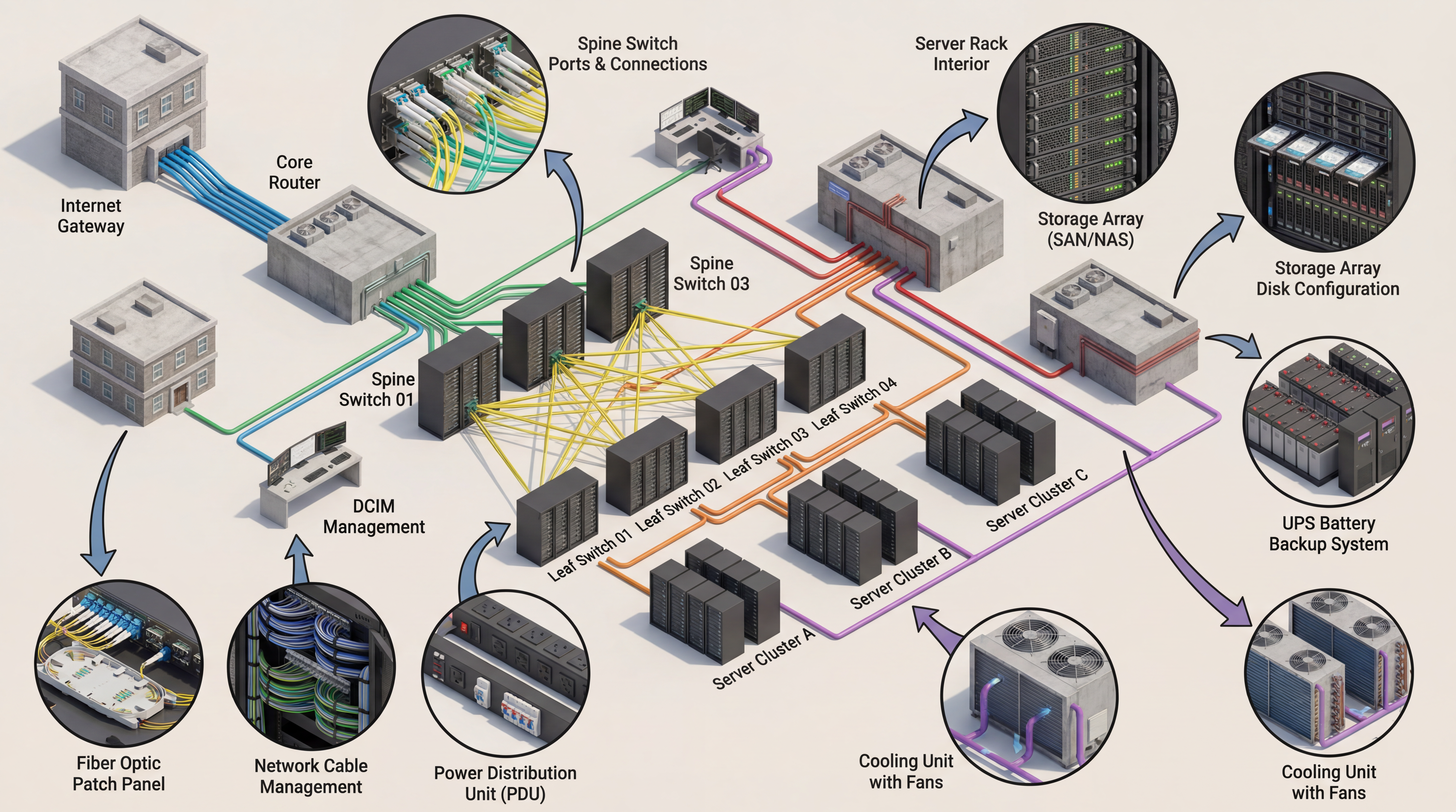
Data centers often contain large numbers of optical connections linking servers, switches, storage systems, and backbone equipment. An optical distribution cabinet can help consolidate these connections into a structured fiber management area, reducing unnecessary cable crossing and simplifying patching activities. Depending on the project, the cabinet may be arranged for different connector types, fiber counts, and routing requirements. Clear labeling and accessible connection points allow technicians to identify circuits more efficiently during maintenance or network changes. For facilities with continuous expansion plans, scalable cabinet configurations can provide additional room for new fiber connections. This organized approach helps improve cable visibility and supports efficient fiber infrastructure management in high-density communication environments.

Related products

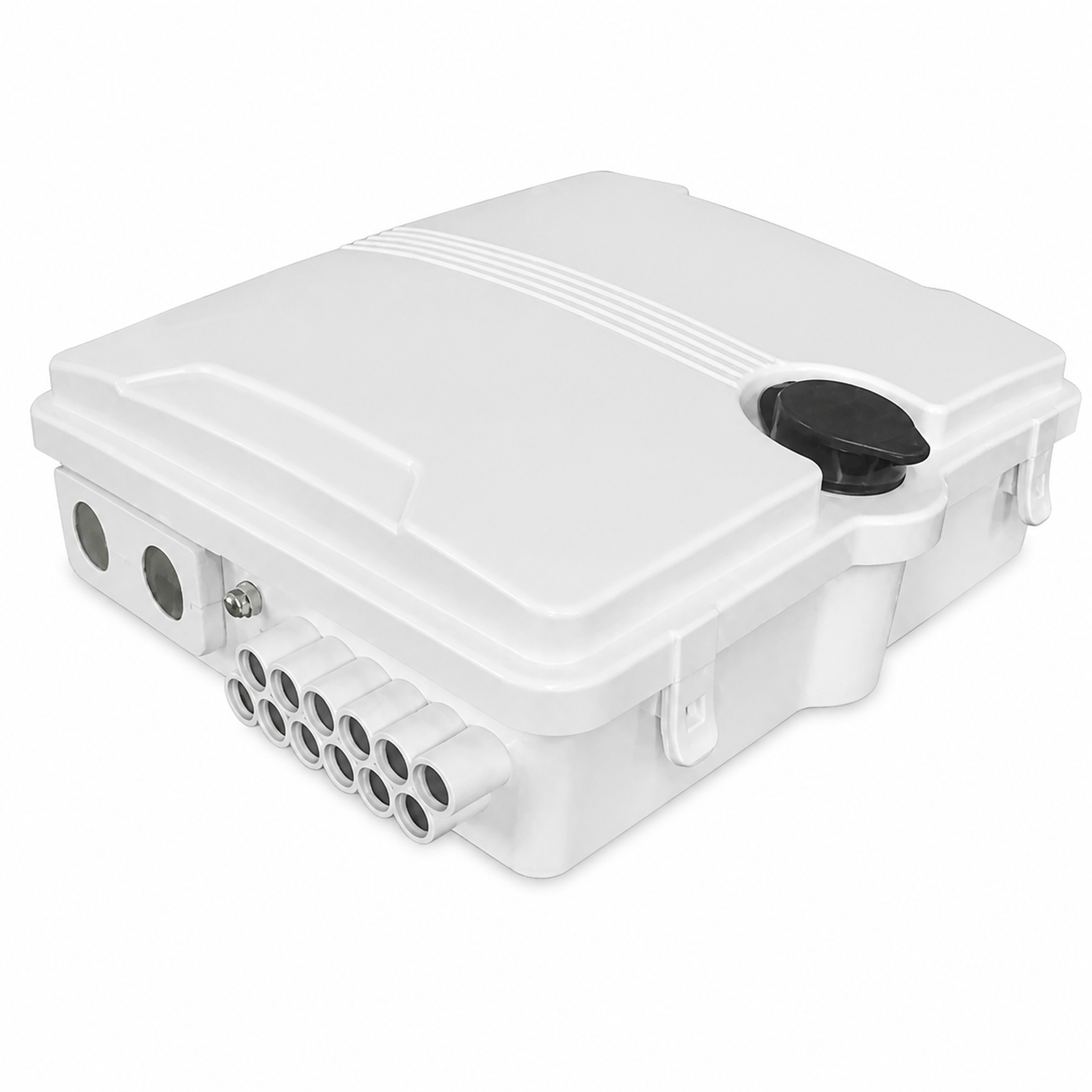
An optical distribution cabinet is designed to provide centralized management for fiber optic cables in telecom, FTTH, enterprise, and data communication networks. It can integrate fiber termination, splicing, patching, and cable routing within a structured enclosure, helping technicians maintain clear connection paths and easier access to individual fibers. Configuration can be selected according to fiber capacity, adapter type, splice requirements, cable entry method, and installation environment. For high-density applications, organized internal routing helps reduce cable congestion while keeping critical connections accessible for testing and maintenance. The cabinet can also support phased network expansion by providing space for additional fiber connections when required. With a structured layout and flexible configuration, an optical distribution cabinet is suitable for network operators, system integrators, telecom contractors, and infrastructure projects requiring centralized optical fiber management.

Frequently Asked Questions

What is an optical distribution cabinet?

An optical distribution cabinet is an enclosure used to organize, terminate, splice, patch, and distribute fiber optic cables. It provides a centralized location for managing multiple fiber connections while helping technicians access, identify, test, and maintain individual optical circuits more efficiently.
They are commonly used in telecom backbone networks, FTTH deployments, data centers, enterprise communication rooms, and other fiber infrastructure projects. The appropriate cabinet configuration depends on fiber capacity, connection density, installation space, and the network architecture being deployed.
Consider the required fiber count, splice capacity, adapter or connector type, cable diameter, cable entry method, mounting location, and available installation space. It is also useful to consider future expansion requirements so the cabinet can accommodate additional connections as the network grows.
Yes. Depending on its internal configuration, an optical distribution cabinet can provide dedicated space for fiber splicing, splice trays, cable routing, and termination components. The required splice capacity should be determined according to the number of incoming and outgoing fibers in the project.
A structured cabinet keeps fiber connections organized and accessible, making it easier for technicians to identify cables, perform testing, trace circuits, and replace or reconfigure connections. Proper routing and labeling can also reduce confusion when networks require maintenance or future expansion.

Related article

Connecting the World, Powering the Future

21

May

Connecting the World, Powering the Future

GLGW delivers high-quality cable solutions that keep the world connected. Built on trust and driven by innovation, our products provide reliable, efficient connectivity for industries, businesses, and communities. Experience the power of seamless connections and discover how GLGW is shaping a connected tomorrow.
View More
UTP LAN Cable Application for Office Local Networks.

04

Aug

UTP LAN Cable Application for Office Local Networks.

Implementing a structured Unshielded Twisted Pair (UTP) Local Area Network (LAN) cabling infrastructure is the cornerstone of any modern commercial workspace. While wireless technologies (Wi-Fi) provide mobility, high-density office environments wi...
View More
Fiber Cable Tensile Strength for Aerial Installation.

24

Aug

Fiber Cable Tensile Strength for Aerial Installation.

Deploying optical fiber cables in aerial spans across long distances—such as utility poles over valleys, mountain ridges, and expansive rural infrastructure—exposes the cable assembly to continuous mechanical, gravitational, and environ...
View More
LAN Cable Quality Standards for Enterprise Local Area Networks.

17

Sep

LAN Cable Quality Standards for Enterprise Local Area Networks.

Enterprise LAN Cable Selection Guide: Categories, Shielding, Standards, and Performance Why Choosing the Right LAN Cable Matters for Enterprise Networks A reliable LAN cable is the foundation of modern enterprise network infrastructure. Although wi...
View More

Customer Testimonials

Telecom Project Manager

“The cabinet helped us organize a high-density telecom fiber area and made individual connections easier to identify during installation and maintenance.”

Network Engineer

“Our fiber distribution layout became much easier to manage, and the available capacity gave us flexibility when adding new network connections.”

Get a Free Quote

Our representative will contact you soon.
Email
Mobile/WhatsApp
Name
Company Name
Message
0/1000
Centralized Fiber Management

Centralized Fiber Management

An optical distribution cabinet brings fiber termination, splicing, patching, and routing functions into a centralized management structure. This makes complex optical networks easier to organize and helps technicians quickly locate individual connections when testing, troubleshooting, or performing maintenance. Depending on project requirements, internal components can be arranged to separate different fiber routes or service areas. Organized cable routing also helps reduce unnecessary crossing and congestion inside the cabinet. For telecom operators, contractors, and network integrators, centralized fiber management provides a clearer overview of network connections and supports more efficient daily operations. The result is a structured optical infrastructure that is easier to maintain and modify as network requirements change.
Flexible Capacity and Configuration

Flexible Capacity and Configuration

Different fiber projects require different capacity, connector, splice, and routing arrangements. An optical distribution cabinet can therefore be configured according to the actual network design rather than relying on a single standard layout. Fiber count, adapter type, splice capacity, cable entry position, and internal routing requirements can all influence the appropriate configuration. This flexibility is particularly useful for telecom backbone networks, FTTH access systems, enterprise networks, and data centers with different connection densities. Planning capacity for future expansion can also reduce the need for major cabinet changes when additional users, equipment, or fiber routes are introduced. A suitable configuration helps balance current requirements with long-term network development.
Accessible Maintenance and Future Expansion

Accessible Maintenance and Future Expansion

Efficient maintenance depends on clear fiber identification and convenient access to connection points. An optical distribution cabinet provides a structured location where technicians can trace cables, inspect connections, perform testing, and make network changes without working through an unorganized collection of loose fibers. Clearly planned routing and labeling can further improve maintenance efficiency and reduce the risk of disturbing unrelated connections. When network capacity increases, additional fiber connections can be incorporated according to the cabinet's available space and configuration. This makes the cabinet suitable for projects that need both reliable day-to-day fiber management and a practical path for future upgrades, helping infrastructure teams manage changing communication requirements more efficiently.

Get a Free Quote

Our representative will contact you soon.
Email
Mobile/WhatsApp
Name
Company Name
Message
0/1000