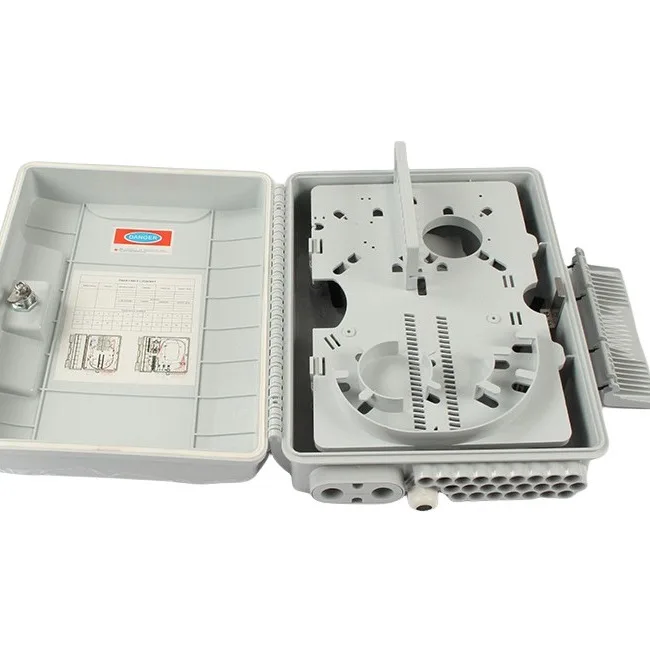
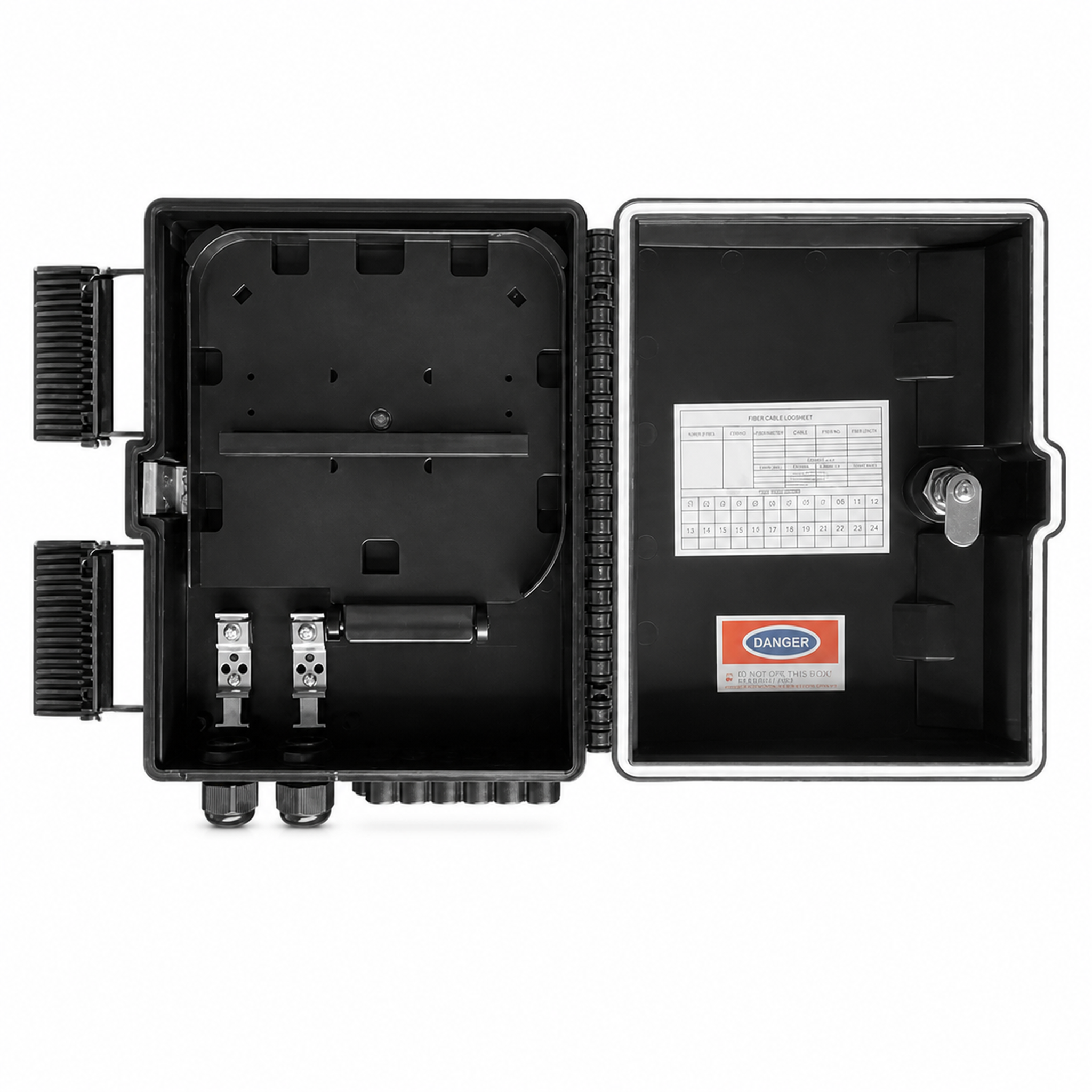
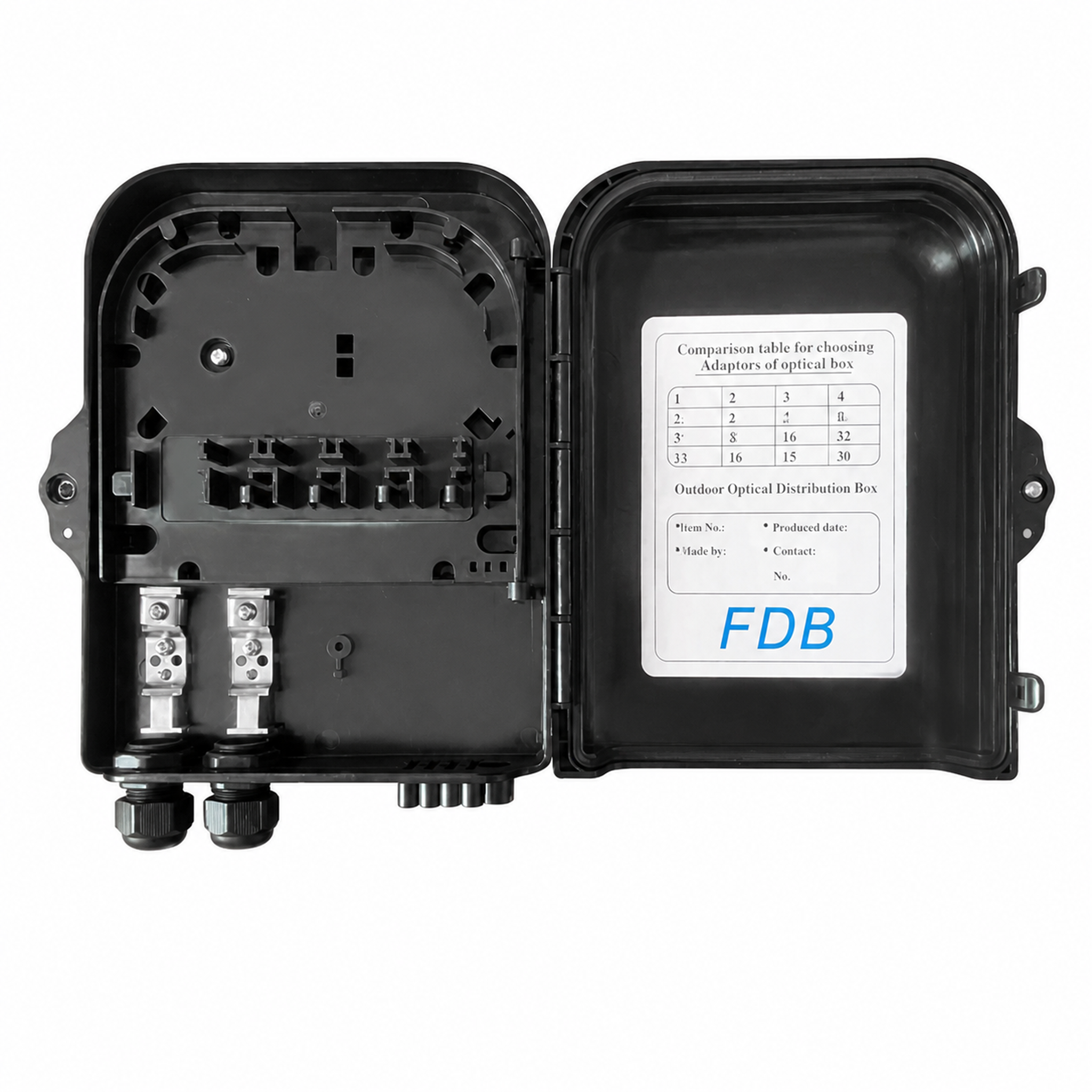
Fiber Distribution Terminal: 16-24 Core IP65 Outdoor Boxes for FTTH

All Categories
Efficient Fiber Distribution Terminal for Organized Optical Fiber Connections and Network Access

Efficient Fiber Distribution Terminal for Organized Optical Fiber Connections and Network Access

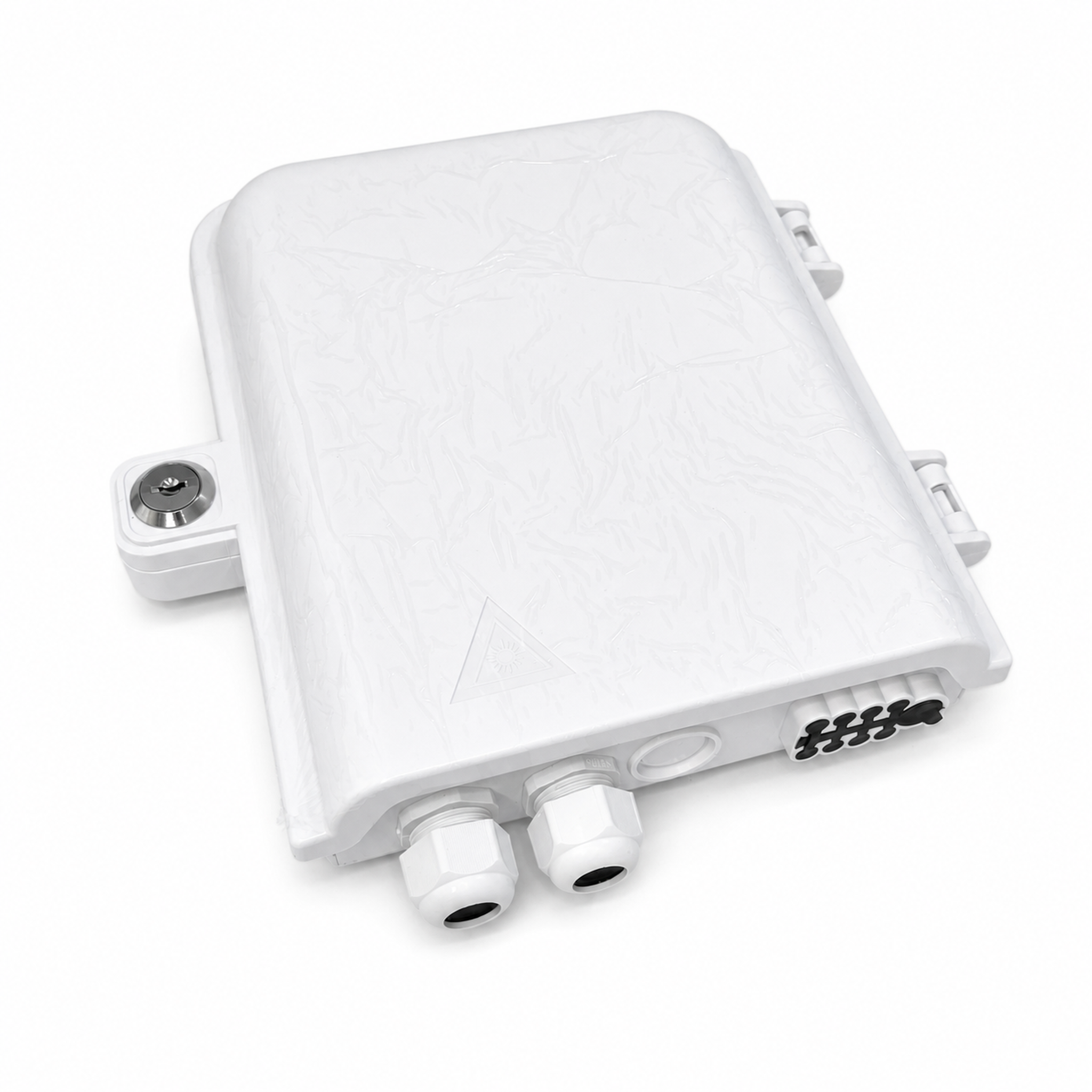
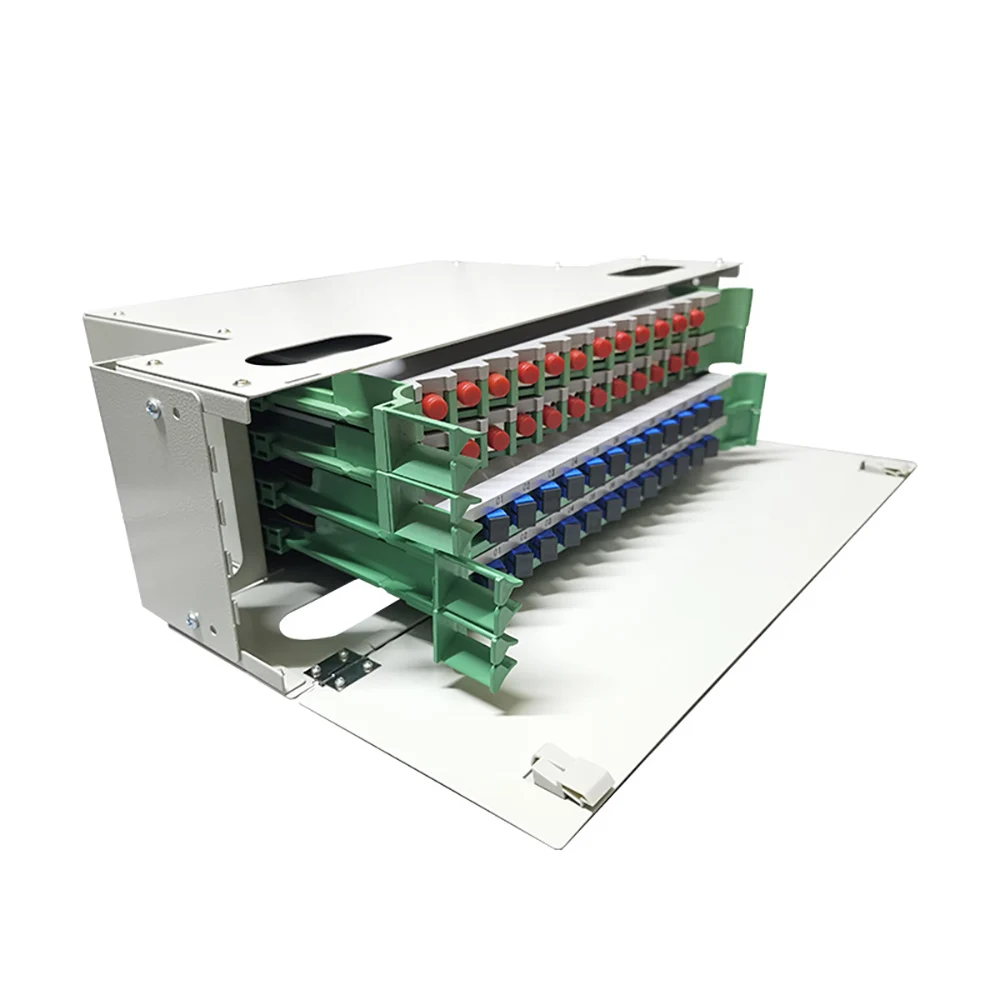
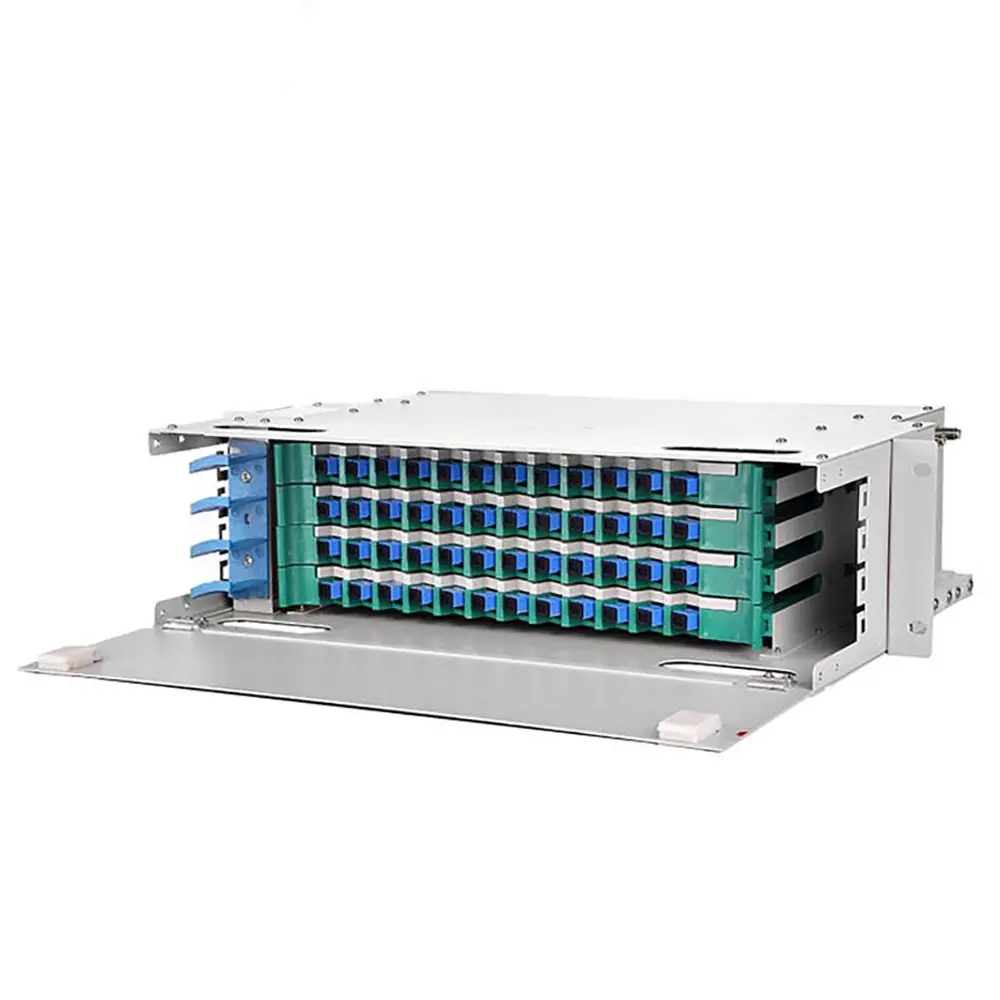
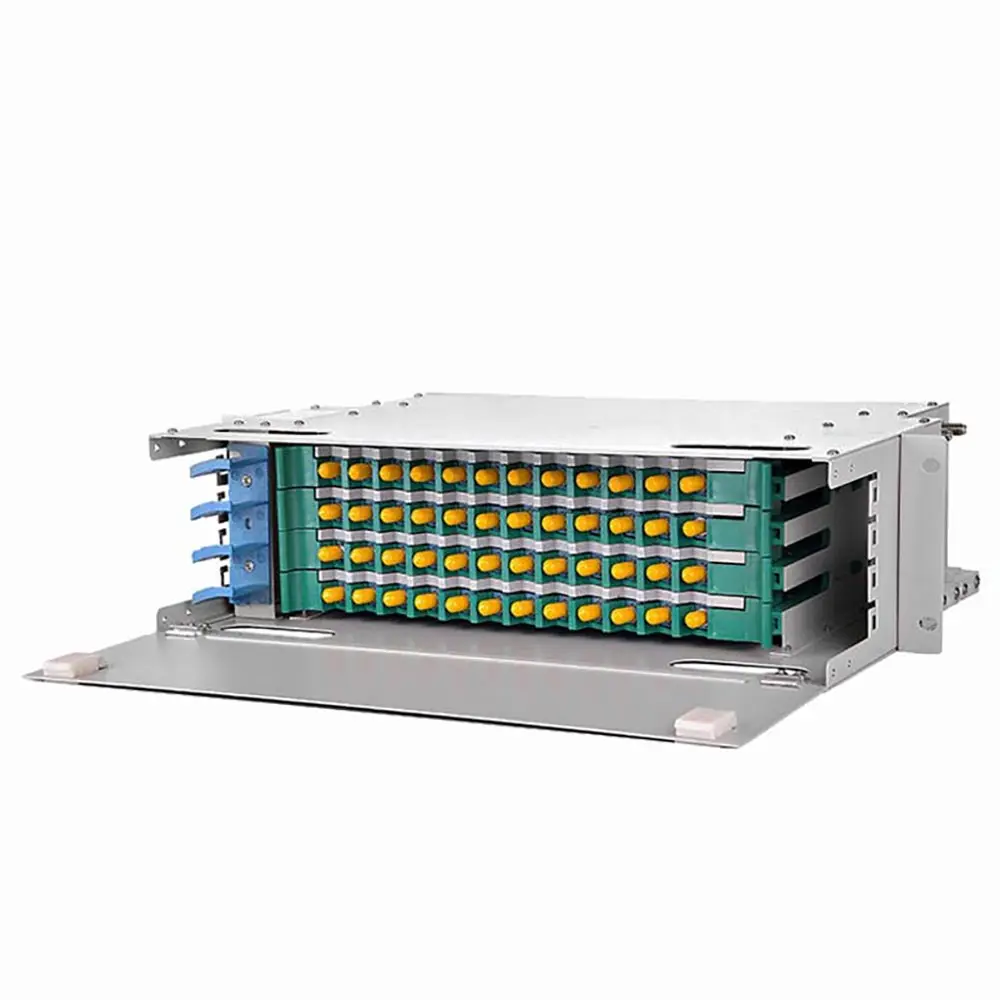
A fiber distribution terminal provides a structured point for terminating, connecting, and distributing optical fibers within access, telecom, FTTH, and enterprise networks. It helps organize incoming feeder cables and outgoing distribution fibers while providing accessible connection points for adapters, splices, or other optical components depending on the configuration. By centralizing fiber connections, a distribution terminal can reduce cable congestion and make individual fiber paths easier to identify during installation and maintenance. Different capacities and connection arrangements can be selected according to fiber count, connector type, cable diameter, and application requirements. It can be used at network access points, communication facilities, building distribution areas, and other locations where optical fibers need to be managed efficiently. With suitable capacity planning, the terminal can also support additional connections as network demand grows.
Get A Quote

Case Study

FTTH Subscriber Distribution

In an FTTH network, a fiber distribution terminal can provide a defined connection point between feeder fibers and subscriber distribution lines. Incoming fibers can be organized within the terminal, while outgoing connections are arranged according to homes, buildings, or designated service areas. Depending on the network architecture, the terminal may accommodate adapters, splice points, or optical splitting components. Selecting the correct fiber capacity helps maintain an orderly installation while providing room for additional subscriber connections. During service activation or maintenance, technicians can access defined connection points and identify individual fiber routes more efficiently. This makes a fiber distribution terminal a practical component for residential broadband networks that require organized fiber distribution and convenient access to subscriber connections.

Telecom Access Network

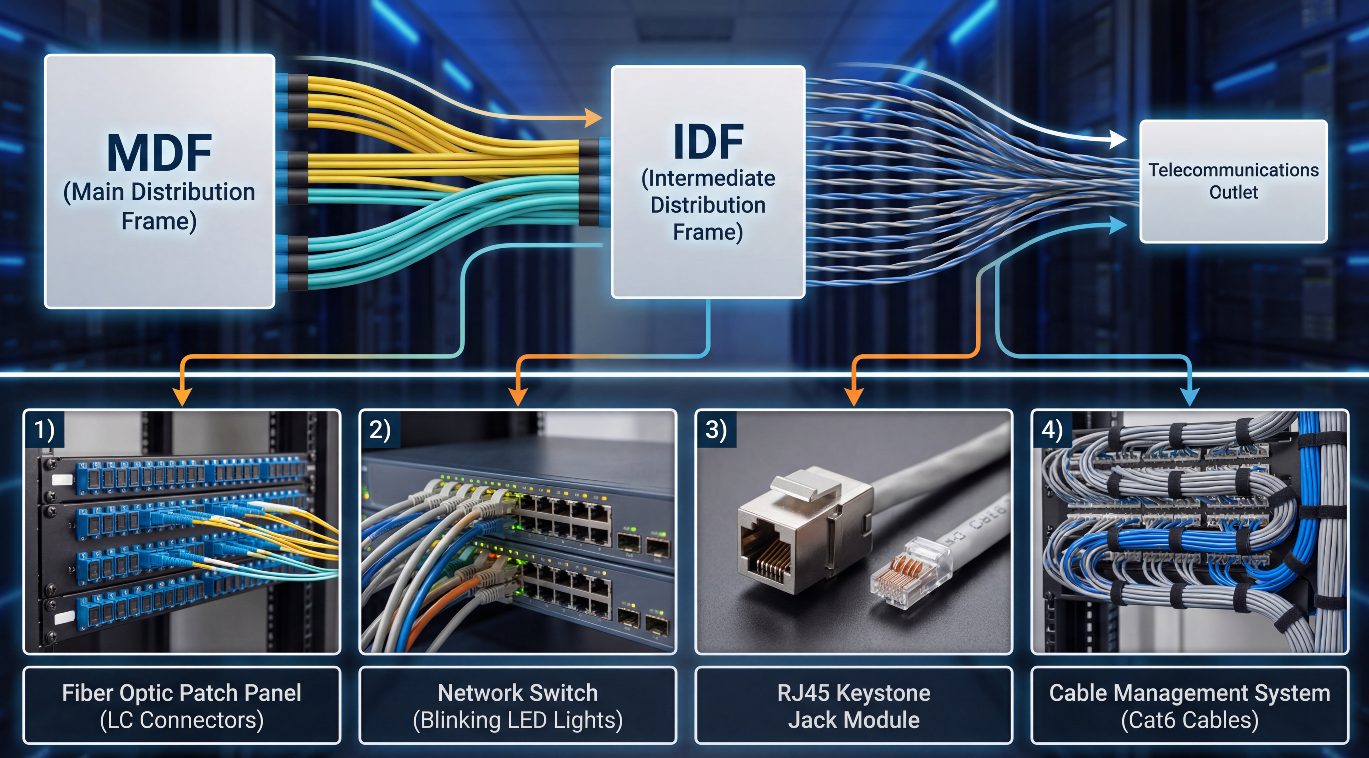
Telecom access networks often include multiple distribution points between backbone infrastructure and local users. A fiber distribution terminal can centralize feeder and distribution fiber connections at a selected network location, helping technicians maintain clearer cable routing and connection identification. The terminal configuration can be selected according to fiber capacity, connector requirements, splice needs, and installation space. For distributed telecom networks, having a defined termination and distribution point can simplify testing, troubleshooting, and routine maintenance. When additional connections are introduced, available capacity can provide room for network expansion. By organizing optical fibers within a dedicated terminal, operators can maintain a more systematic access network while reducing unnecessary cable handling during installation and service work.

Building Fiber Distribution

Office buildings, apartment complexes, and commercial facilities often require organized fiber distribution between communication rooms and individual service areas. A fiber distribution terminal can provide a centralized point for managing these connections while keeping incoming and outgoing fibers arranged according to floors, departments, or network zones. Different configurations can be selected based on fiber count, adapter type, splice capacity, and available installation space. Clear fiber organization helps technicians identify individual connections when installing new services or troubleshooting existing links. If the building expands its network infrastructure, spare terminal capacity can simplify the addition of new fibers. This creates a practical solution for maintaining structured optical connectivity across growing residential and commercial properties.

Related products

A fiber distribution terminal is designed to provide an organized point for terminating, connecting, and distributing optical fibers within communication networks. It can manage feeder cables, distribution fibers, adapters, splice points, and other connection components depending on the selected configuration. By centralizing optical connections, the terminal provides technicians with easier access to defined fiber paths during installation, testing, maintenance, and network expansion. Fiber distribution terminals are suitable for FTTH access networks, telecom infrastructure, apartment buildings, commercial facilities, and enterprise communication systems. Selection should consider fiber capacity, connector type, cable diameter, splice requirements, mounting method, and installation environment. For projects with expected network growth, additional capacity can be reserved for future subscriber or equipment connections. Different internal arrangements can also be selected according to the required distribution architecture. With structured cable management and accessible termination points, a fiber distribution terminal can help reduce cable congestion, simplify maintenance, and provide a scalable connection point for developing optical fiber networks.

Frequently Asked Questions

What is a fiber distribution terminal?

A fiber distribution terminal is a component used to terminate, connect, organize, and distribute optical fiber connections. It provides a defined management point for feeder and distribution fibers and can accommodate adapters, splice points, or other components depending on the configuration.
They are commonly used in FTTH networks, telecom access systems, apartment buildings, commercial properties, enterprise networks, and other optical distribution applications. The installation location depends on network architecture, fiber capacity, and available space.
Consider fiber capacity, connector type, cable diameter, splice requirements, mounting method, cable routing, and installation conditions. Future expansion should also be considered if additional subscribers, equipment, or fiber routes may be added later.
Many configurations can accommodate fiber splicing depending on the internal design and available capacity. The required splice capacity should be determined based on the fiber count, cable construction, and network architecture before selecting the terminal.
It centralizes optical connections and provides defined access points for technicians. Organized fiber routing makes individual connections easier to identify, helping simplify inspection, testing, troubleshooting, replacement, and future connection changes.

Related article

How to lay bulk cable along pipelines safely?

21

Jul

How to lay bulk cable along pipelines safely?

Real World Field Experiences with Industrial Co Location Routing During an extensive industrial network expansion across a remote coastal oil terminal three summers ago, my installation team faced a massive challenge with electromagnetic interferen...
View More
Bulk cable deployment for campus network construction.

13

Aug

Bulk cable deployment for campus network construction.

Deploying bulk fiber optic and structured copper cabling across a university campus, corporate park, or large institutional facility is vastly different from installing localized runs in a single server room or small office. Campus environments req...
View More
Fiber Cable Tensile Strength for Aerial Installation.

24

Aug

Fiber Cable Tensile Strength for Aerial Installation.

Deploying optical fiber cables in aerial spans across long distances—such as utility poles over valleys, mountain ridges, and expansive rural infrastructure—exposes the cable assembly to continuous mechanical, gravitational, and environ...
View More
MPO connector material affects signal transmission.

22

Sep

MPO connector material affects signal transmission.

MPO Connector Guide: Materials, Performance, and Selection for High-Density Fiber Networks What Is an MPO Connector and Why Is It Important? An MPO connector (Multi-fiber Push On connector) is a high-density fiber optic connector designed to connec...
View More

Customer Testimonials

FTTH Installer

“The terminal gave our FTTH team a clear connection point for feeder and subscriber fibers. Installation was more organized, and technicians could trace individual connections faster.”

Telecom Engineer

“We used the terminal for a local access network and appreciated the structured fiber layout. Maintenance became easier because connection points were centralized and clearly organized.”

Get a Free Quote

Our representative will contact you soon.
Email
Mobile/WhatsApp
Name
Company Name
Message
0/1000
Centralized Fiber Distribution

Centralized Fiber Distribution

A fiber distribution terminal provides a dedicated point for managing feeder and distribution fibers within an optical network. Incoming and outgoing connections can be arranged according to service areas, equipment groups, or network architecture, helping technicians maintain clearer fiber paths. This is especially useful in FTTH and telecom access networks where multiple subscriber fibers converge at a distribution location. Depending on the configuration, the terminal can accommodate adapters, splice points, and other optical connection components. Structured fiber management can reduce cable congestion and make individual connections easier to identify during installation or maintenance. By centralizing optical connections in an accessible location, the terminal supports more systematic network deployment and provides a practical foundation for future connection changes.
Flexible Capacity and Connection Options

Flexible Capacity and Connection Options

Different fiber distribution projects require different capacities and connection arrangements. A fiber distribution terminal can be selected according to fiber count, connector type, cable diameter, splice requirements, mounting method, and available installation space. Smaller deployments may require a compact solution for a limited number of connections, while larger access networks can require greater capacity and more organized cable routing. Future subscriber or equipment growth should also be considered during the initial selection process. Reserving sufficient working space can make later fiber additions easier and reduce the need for premature replacement. With a configuration matched to the network architecture, the terminal can support current connections while providing practical flexibility for gradual optical network expansion.
Accessible Installation and Maintenance

Accessible Installation and Maintenance

A structured fiber distribution terminal can make installation and maintenance more efficient by providing defined connection areas and organized cable routes. Technicians can arrange fibers according to connection numbers, service areas, or network functions, making individual paths easier to trace when testing or troubleshooting. During maintenance, accessible connection points help reduce unnecessary handling of unrelated fibers. The terminal can also provide a convenient location for adding new connections as network requirements develop. For residential communities, commercial buildings, and telecom access networks, this centralized approach can simplify phased installation and future service changes. By combining practical fiber organization with accessible termination points, a fiber distribution terminal helps create a cleaner and more manageable optical network infrastructure.

Get a Free Quote

Our representative will contact you soon.
Email
Mobile/WhatsApp
Name
Company Name
Message
0/1000