In Rack Liquid Cooling: Scalable AI & HPC Thermal Management

All Categories
Rack-Level Cooling for Efficient High-Density Computing

Rack-Level Cooling for Efficient High-Density Computing

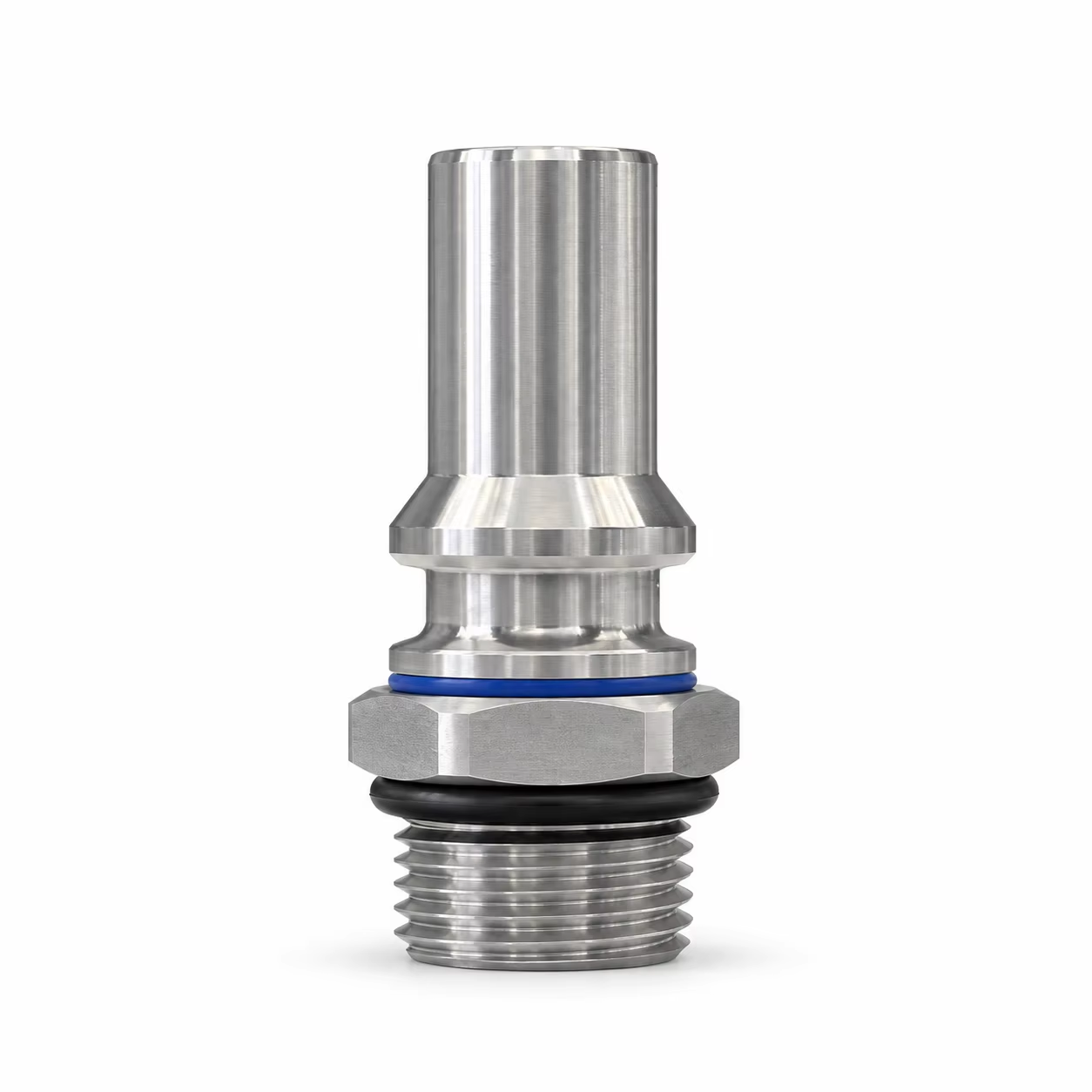
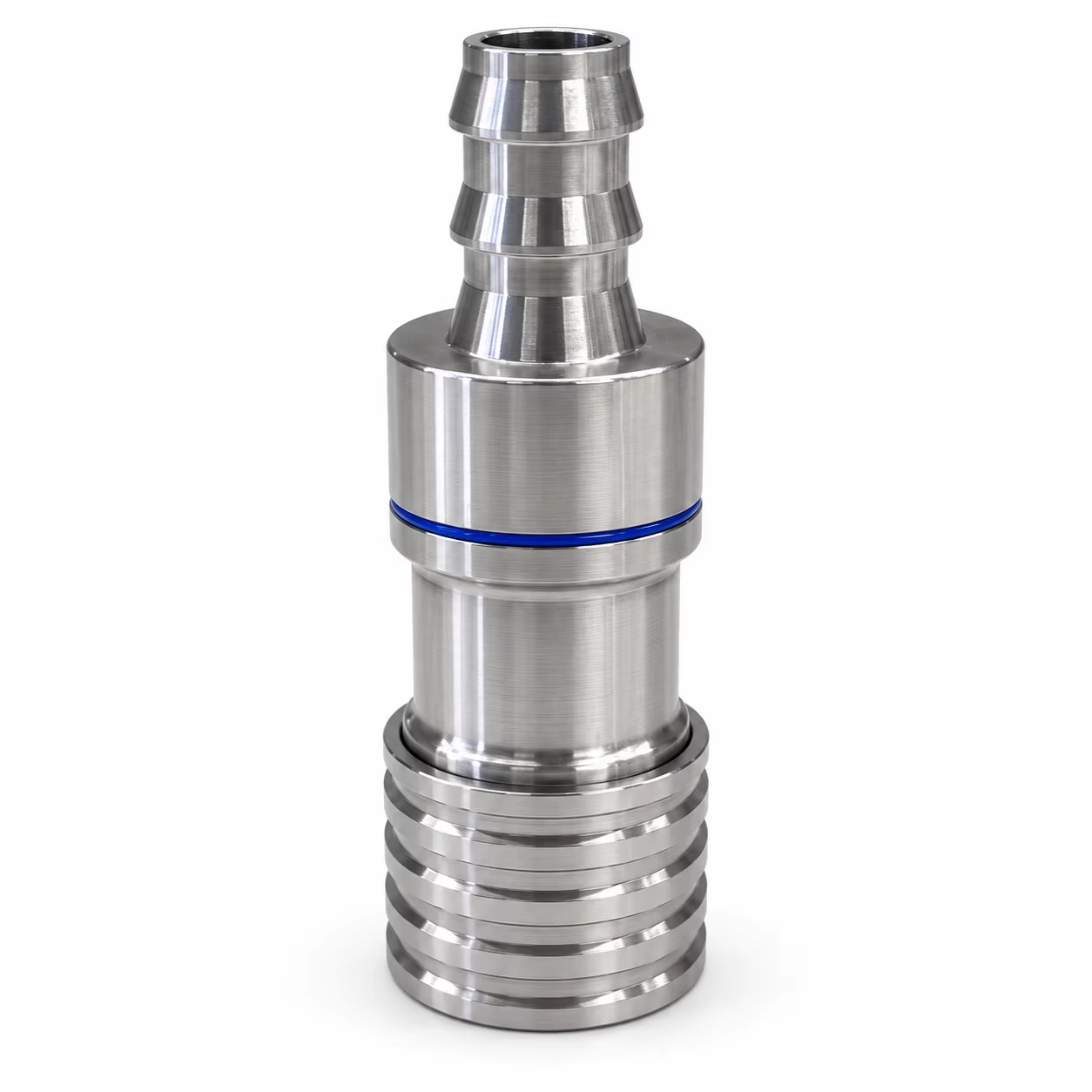
An in rack liquid cooling system is designed to manage server heat directly at the rack level, providing a localized cooling solution for high-density computing environments. Instead of depending entirely on room-level cooling, liquid can be distributed close to high-power CPUs, GPUs, or other heat-generating components. A typical configuration may include cold plates, coolant manifolds, pumps, hoses, quick disconnect couplings, heat exchangers, or a cooling distribution unit. The system can be adapted to rack density, thermal load, flow rate, supply and return temperatures, and facility infrastructure. It is suitable for AI servers, HPC platforms, data centers, and edge computing environments where increasing processor power creates greater demands on conventional air cooling and rack-level thermal management.
Get A Quote

Case Study

AI Server Rack Cooling

An AI computing facility was deploying GPU servers with concentrated thermal loads inside several high-density racks. An in rack liquid cooling configuration was introduced to distribute coolant directly within the affected rack rather than relying solely on room-level air circulation. The system incorporated coolant manifolds, hoses, quick disconnects, and processor cold plates to establish organized supply and return paths. Rack-level monitoring could be added to track temperatures and flow conditions during operation. By concentrating cooling infrastructure around the high-power equipment, the facility could address thermal requirements on selected racks while maintaining conventional cooling for lower-density systems. This provided a practical approach for phased AI infrastructure deployment.

HPC Rack Thermal Management

An HPC environment required additional cooling capacity as processor density increased across its computing racks. An in rack liquid cooling system was configured to serve multiple high-performance servers through a centralized rack manifold. Cold plates transferred heat from CPUs and GPUs into the coolant loop, while pumps maintained circulation through the rack. The design considered rack thermal load, flow balance, pressure drop, supply temperature, and return temperature. Quick disconnect connections provided service interfaces for individual servers. This rack-level architecture allowed the cooling capacity to be matched to high-performance equipment without immediately converting every rack in the facility, supporting a more controlled infrastructure upgrade.

Data Center Cooling Upgrade

A data center wanted to introduce liquid cooling for high-power servers while keeping its existing air-cooled infrastructure operational. The project used in rack liquid cooling for selected high-density racks, creating dedicated coolant distribution paths around the upgraded equipment. Processor cold plates connected to rack manifolds through organized hoses and service couplings. The configuration allowed liquid cooling capacity to be concentrated where thermal loads were highest, while conventional air cooling continued serving standard servers. Facility engineers considered available power, rack density, coolant requirements, and heat-rejection capacity before deployment. This hybrid approach provided a structured pathway for gradually introducing liquid cooling into an existing data center environment.

Related products

In rack liquid cooling provides a localized thermal-management architecture for data center racks containing high-power computing equipment. The system can distribute coolant through rack-level manifolds and connect directly to server cold plates, allowing heat from CPUs, GPUs, or accelerators to enter the liquid circuit close to the source. A complete configuration may include pumps, hoses, quick disconnect couplings, heat exchangers, cooling distribution units, sensors, and control components. System design should consider rack thermal load, coolant flow rate, pressure drop, supply and return temperatures, fluid compatibility, and maintenance access. In rack liquid cooling can be used for AI, HPC, cloud computing, enterprise data centers, and edge computing applications where selected high-density racks require additional thermal-management capacity.

Frequently Asked Questions

What is in rack liquid cooling?

In rack liquid cooling is a rack-level thermal-management solution that circulates coolant close to high-power computing equipment. It can connect server cold plates to rack manifolds, pumps, hoses, and heat-rejection equipment. The architecture is designed to address concentrated thermal loads without requiring every rack in a facility to use liquid cooling.
A typical configuration may include cold plates, coolant manifolds, pumps, hoses, quick disconnect couplings, sensors, heat exchangers, and cooling distribution units. The exact components depend on rack density, processor thermal load, facility cooling infrastructure, coolant type, and required supply and return conditions.
Rack-level liquid cooling allows thermal management to be concentrated around equipment generating higher heat loads. This can be useful for AI and HPC racks where processor density is significantly higher than standard server configurations. It also allows facilities to introduce liquid cooling gradually instead of modifying every rack simultaneously.
Yes, an in rack liquid cooling architecture can support GPU servers when the cooling loop is properly designed for their thermal requirements. GPU cold plates can connect to rack manifolds through suitable hoses and quick disconnects. Flow rate, pressure, coolant compatibility, and heat-rejection capacity should be evaluated during system design.
Begin with the total rack thermal load and identify which CPUs, GPUs, or other components require liquid cooling. Then determine coolant flow, pressure, supply and return temperatures, manifold capacity, and heat-rejection requirements. Component compatibility, leak management, maintenance access, monitoring, and future rack expansion should also be considered.

Related article

Fiber Optic Patch Panel: High-Density Modular Rack-Mount Solution for Reliable Network Management

21

May

Fiber Optic Patch Panel: High-Density Modular Rack-Mount Solution for Reliable Network Management

Discover how a high-density fiber optic patch panel improves cable organization, network reliability, scalability, and maintenance for data centers, telecom, FTTX, and enterprise networks.
View More
How to maintain patch cord for stable connection?

15

Jun

How to maintain patch cord for stable connection?

Daily visual inspection and routine troubleshooting of patch cord For anyone managing office networks, data centers or large-scale communication systems, patch cord maintenance is never a trivial task. Over my sixteen years working in the global s...
View More
Patch cord bending radius affects network performance.

17

Jun

Patch cord bending radius affects network performance.

Real-world cases showing the impact of improper bending on daily network operation Working in the structured cabling and network connectivity sector for over sixteen years, I have witnessed countless network faults traced back to unreasonable bend...
View More
What Connector Types for Ethernet Patch Cable?

18

Jul

What Connector Types for Ethernet Patch Cable?

Real World Field Challenges with Commercial Network Overhauls During a massive network overhaul for an e-commerce fulfillment hub last year, my deployment team faced an unexpected wave of packet drops and intermittent link drops across the main pac...
View More

Customer Testimonials

Michael Brooks

The rack-level cooling setup allowed us to introduce liquid cooling to selected AI racks without changing the entire facility. The organized manifold and hose layout simplified installation planning.

Richard Evans

We integrated rack liquid cooling into several HPC cabinets and connected multiple processor cold plates through a shared distribution system. Service connections made maintenance more manageable.

Get a Free Quote

Our representative will contact you soon.
Email
Mobile/WhatsApp
Name
Company Name
Message
0/1000
Localized Rack Thermal Control

Localized Rack Thermal Control

In rack liquid cooling places thermal-management equipment close to the computing hardware that generates the highest heat loads. Instead of distributing all cooling through the room environment, coolant can be delivered directly to selected servers through rack-level manifolds and dedicated supply and return lines. Cold plates then transfer heat from CPUs, GPUs, or accelerators into the liquid circuit. This architecture can be useful when only certain racks require enhanced cooling capacity, such as AI or HPC deployments. The localized design also provides greater flexibility during facility upgrades because liquid cooling can be introduced in stages. Rack-level monitoring can further track temperatures, flow conditions, and operating status for more controlled thermal management.
Integrated Rack Cooling Infrastructure

Integrated Rack Cooling Infrastructure

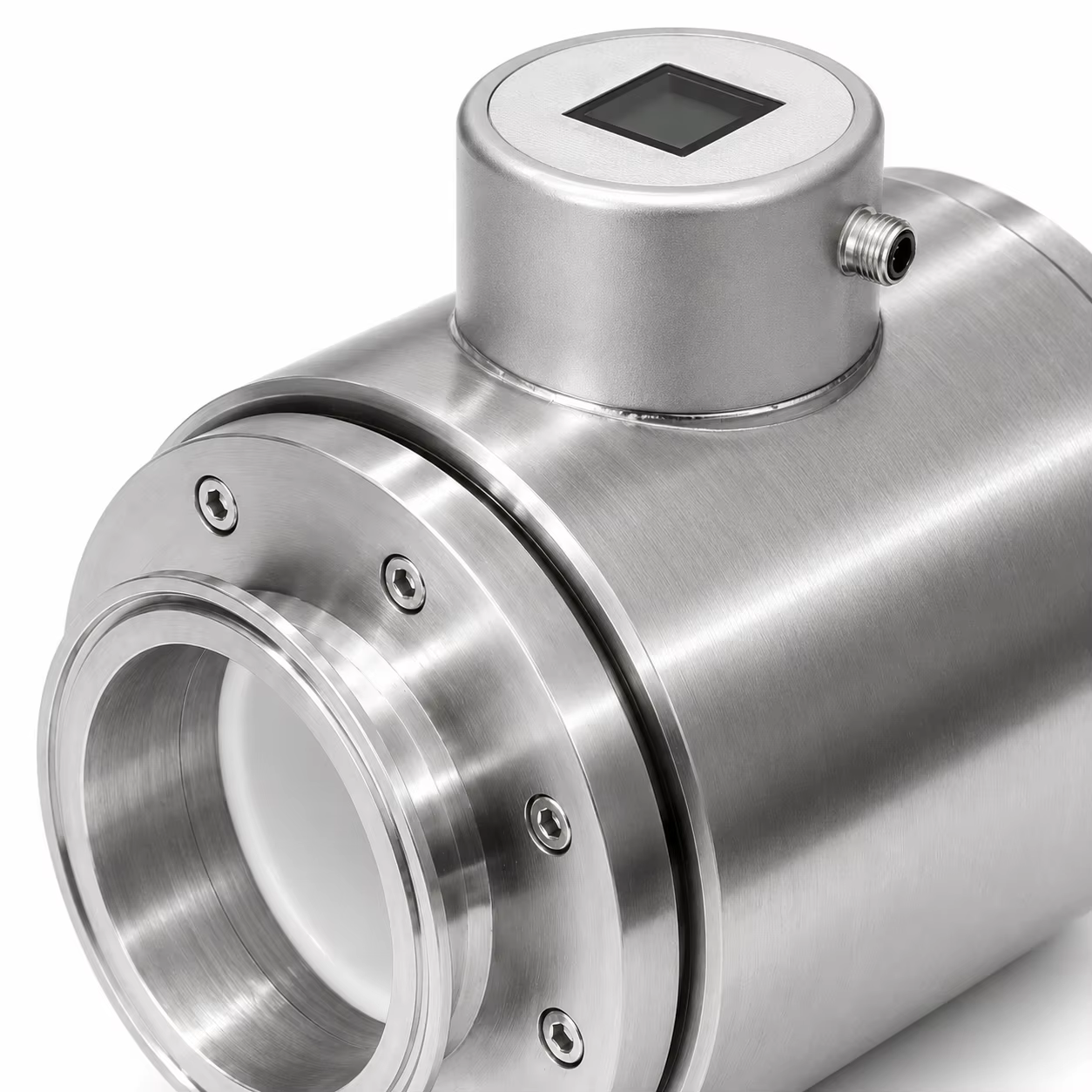
An in rack liquid cooling system can combine multiple components into a coordinated rack-level cooling architecture. Manifolds distribute coolant to individual servers, while hoses and quick disconnect couplings provide flexible connections and service interfaces. Pumps maintain circulation, and a CDU or heat exchanger can transfer heat from the technology loop toward the facility cooling system. The complete design should consider flow distribution, pressure drop, coolant chemistry, supply temperature, return temperature, and thermal load. Proper routing also helps keep coolant lines organized within the rack and provides technicians with clearer access during maintenance. Depending on the deployment, the cooling infrastructure can be configured for individual servers, multiple nodes, or an entire high-density rack.
Scalable AI Data Center Cooling

Scalable AI Data Center Cooling

AI and accelerated computing are increasing the thermal density of modern data center racks. In rack liquid cooling provides a scalable way to address this trend by concentrating liquid cooling capacity where high-power processors are installed. A facility can initially equip selected racks with cold plates, manifolds, hoses, and distribution equipment, then expand the architecture as additional AI or HPC systems are deployed. This phased strategy can reduce the need for an immediate facility-wide cooling conversion. Rack capacity can be planned around processor thermal loads, expected server density, available power, and heat-rejection infrastructure. With appropriate monitoring and service connections, the same rack-level architecture can support ongoing equipment upgrades and future high-density computing requirements.

Get a Free Quote

Our representative will contact you soon.
Email
Mobile/WhatsApp
Name
Company Name
Message
0/1000