Optical Patch Panel: Centralized Fiber Management for Data Centers & Telecom

All Categories
Efficient Fiber Connectivity and Cable Management

Efficient Fiber Connectivity and Cable Management

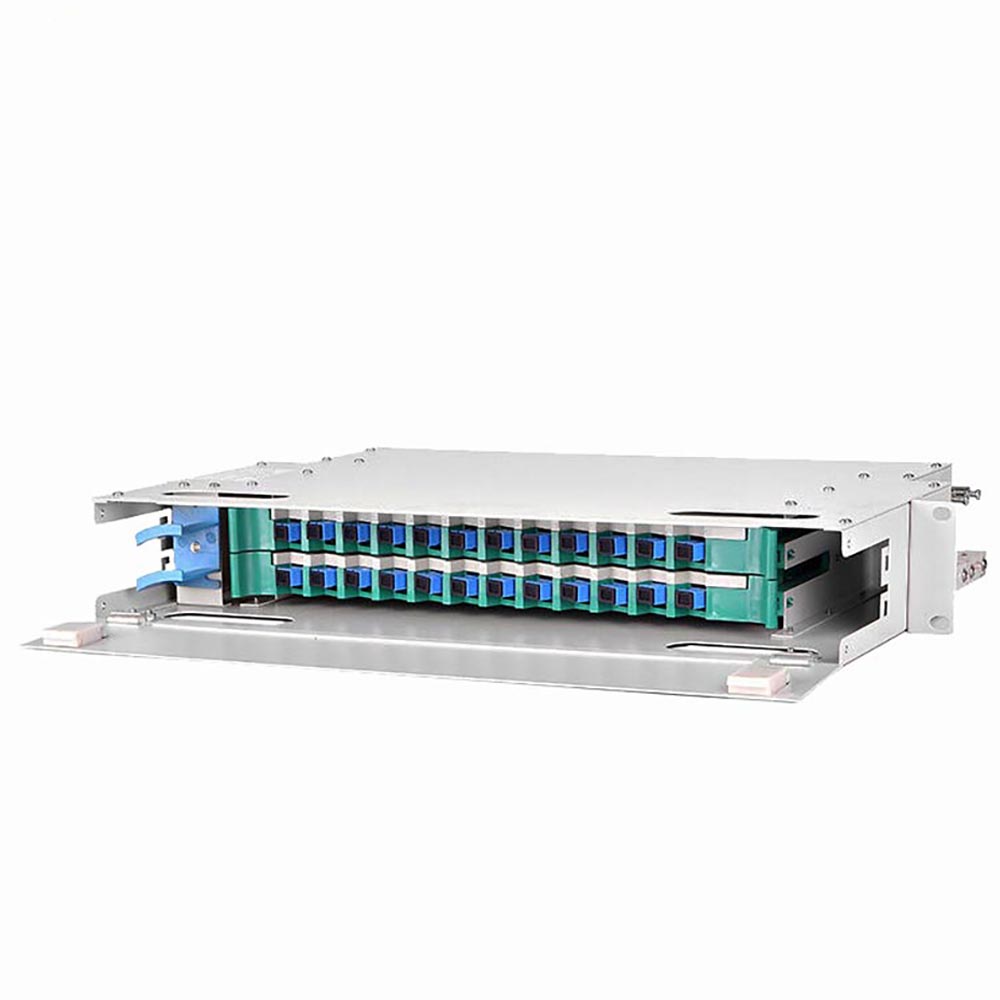
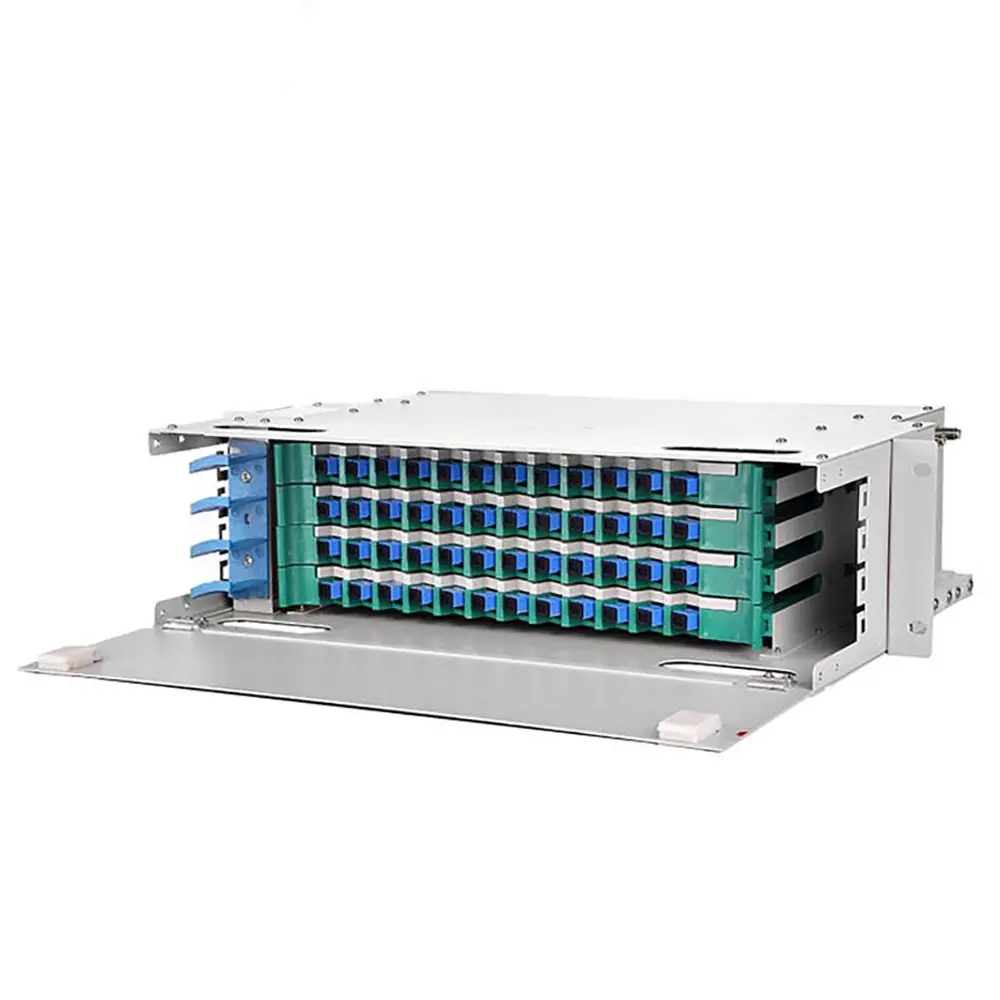
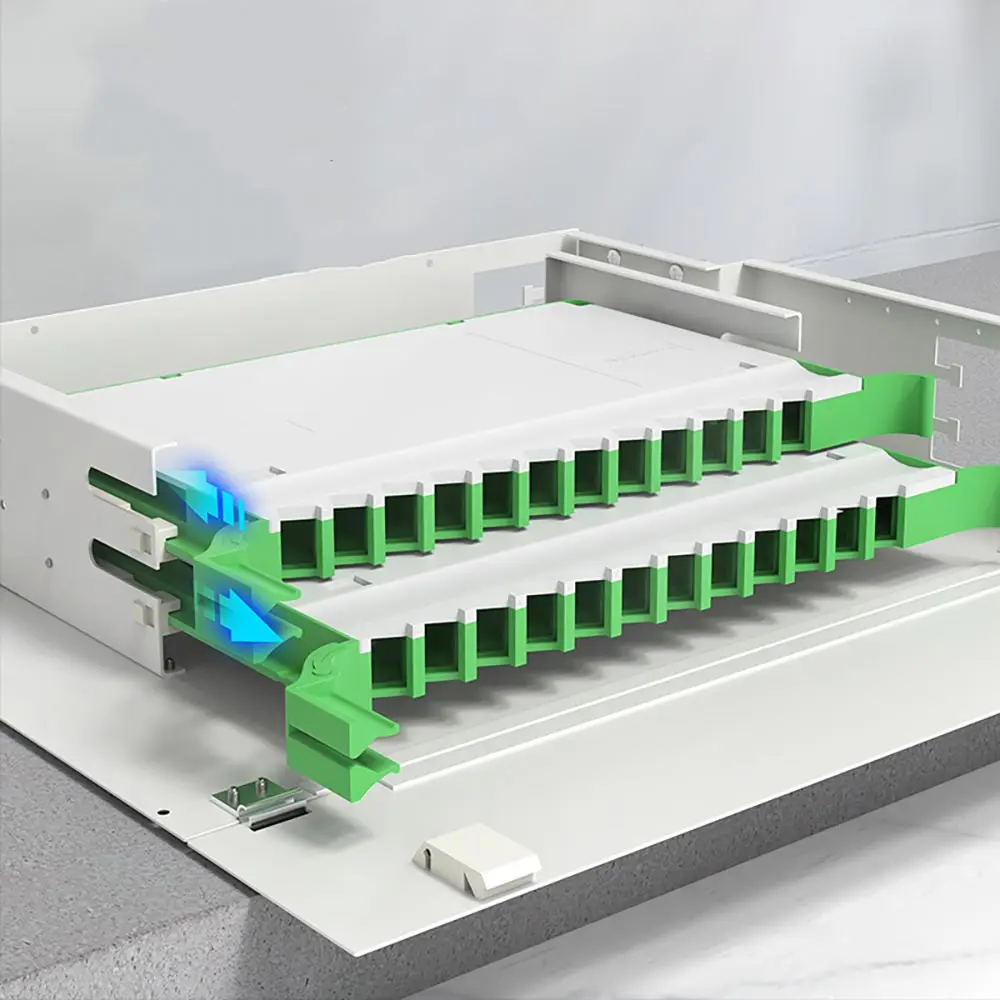
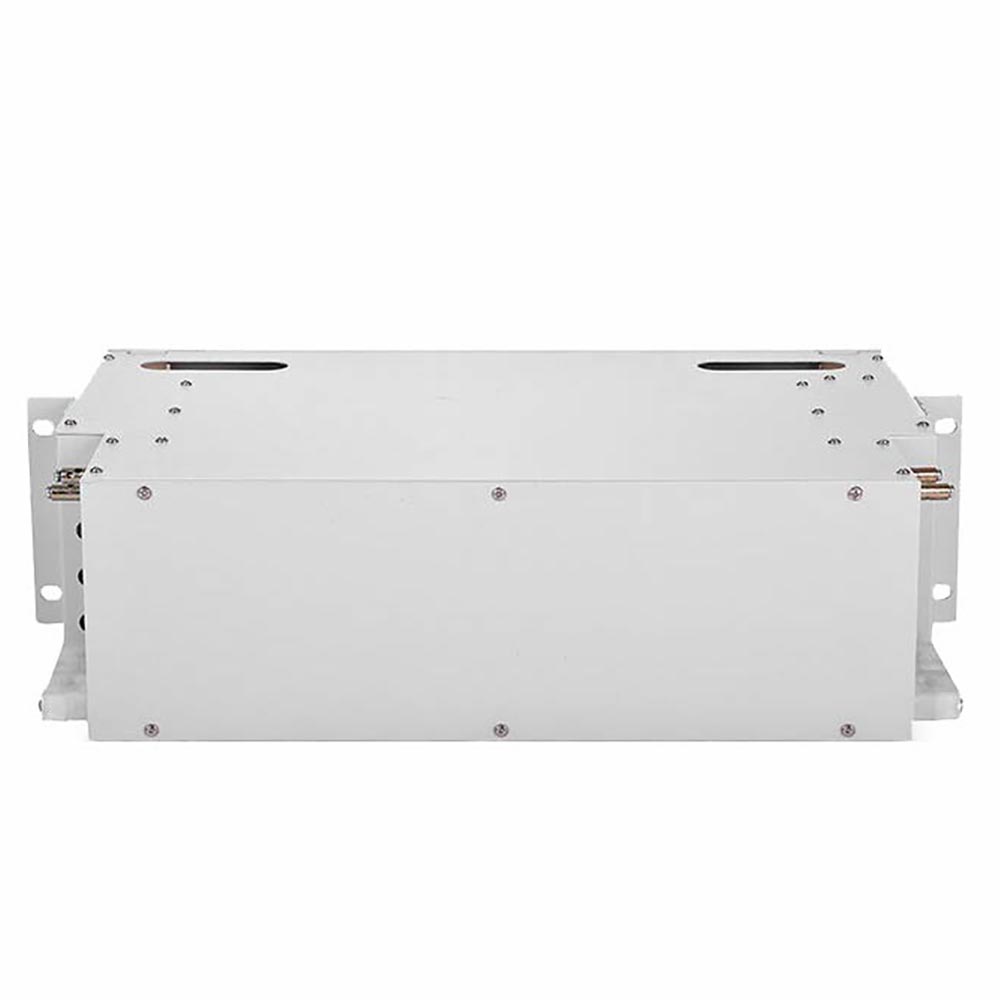
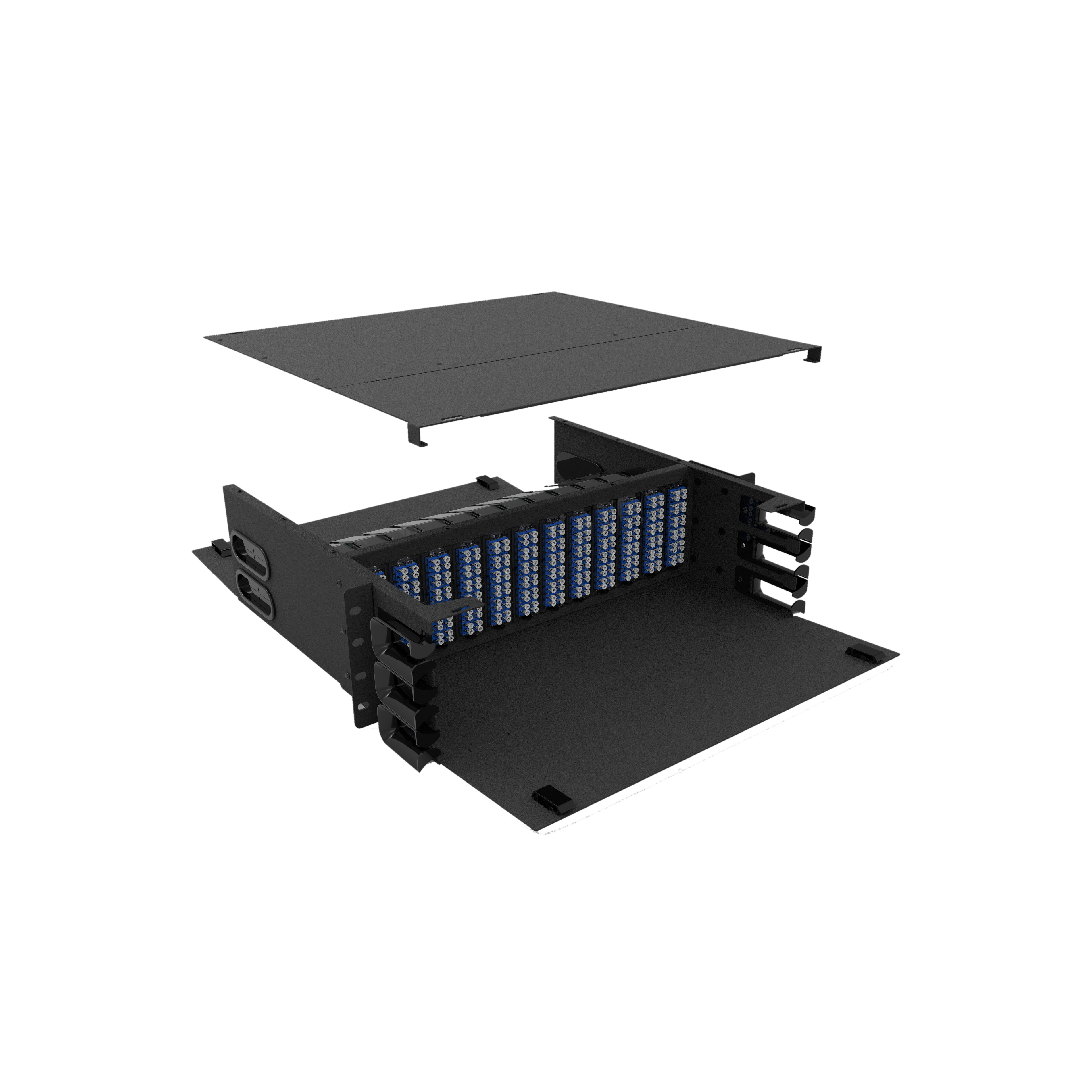
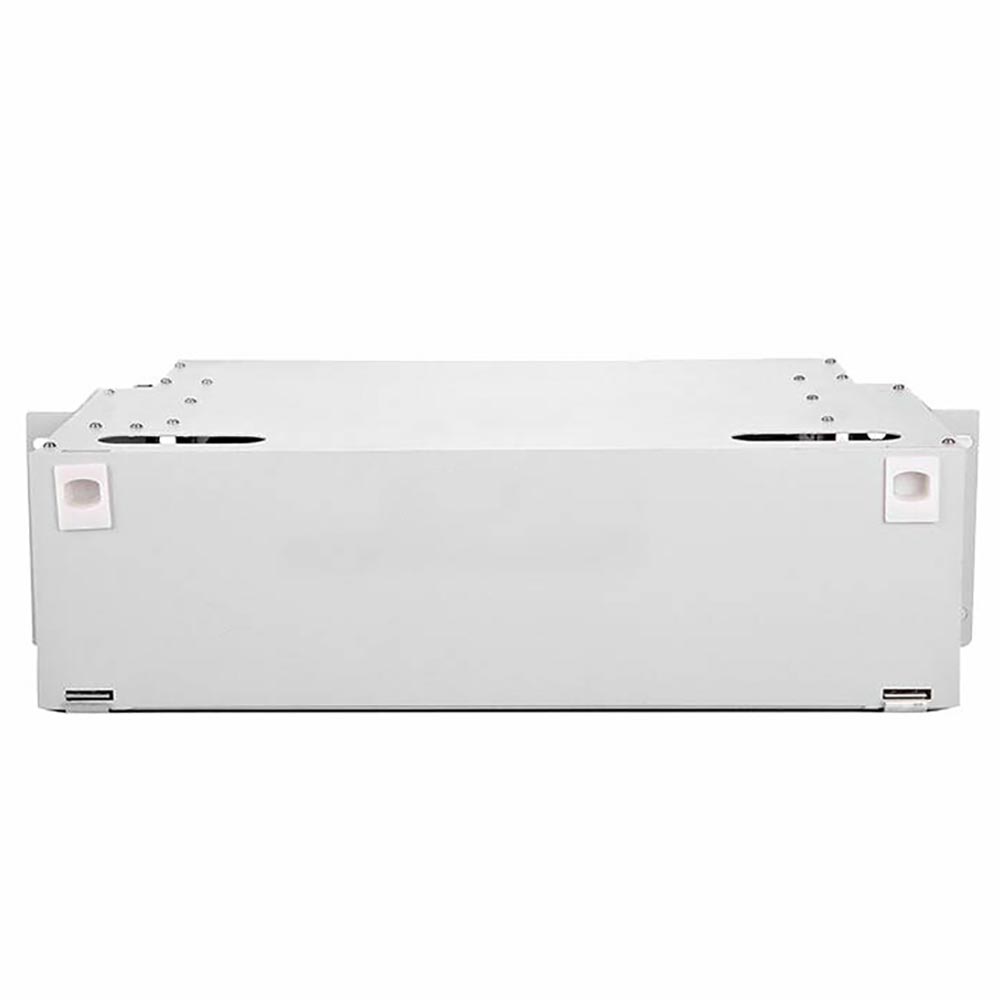
An optical patch panel provides a centralized interface for organizing, terminating, and managing optical fiber connections within racks, cabinets, and structured cabling systems. It helps separate incoming fiber trunks from equipment-side connections while keeping adapters, ports, and cable routing clearly arranged. The panel can be configured according to fiber count, adapter type, connector format, port density, and rack dimensions. It is suitable for data centers, telecom rooms, central offices, enterprise networks, FTTH distribution, and backbone infrastructure. A structured patching arrangement can simplify fiber identification, testing, troubleshooting, and routine maintenance. By consolidating connections into an accessible panel, technicians can make network changes with less disruption to surrounding cables. Modular configurations can also support phased expansion as additional fiber connections are required.
Get A Quote

Case Study

Data Center Fiber Distribution

A data center required a structured method for organizing fiber connections between network equipment and backbone cabling. Optical patch panels were installed within selected racks to create centralized termination and patching points. The deployment was planned around fiber count, adapter configuration, port density, and available rack space. Clear port identification helped technicians trace connections during testing and maintenance, while organized cable routing reduced congestion around active equipment. The centralized design also provided a practical interface for future changes as additional servers and network devices were introduced. This approach is suitable for enterprise data centers and high-density communication facilities requiring accessible and organized fiber distribution.

Telecom Room Upgrade

A telecom facility needed to reorganize an existing fiber distribution area while improving access to individual optical connections. Optical patch panels provided defined termination points for incoming cables and equipment-side patch cords. The installation team considered adapter types, fiber capacity, rack dimensions, and cable management requirements before selecting the configuration. Centralized port access made it easier to identify individual connections during troubleshooting and service activities. The panel also helped separate backbone fibers from equipment connections, creating a cleaner cabinet layout. This solution is suitable for telecom rooms, central offices, and enterprise communication facilities where organized fiber termination and convenient maintenance access are important.

Enterprise Network Expansion

An enterprise network expansion required additional fiber connections while keeping existing cabinet infrastructure organized. Optical patch panels were used to establish structured connection points for new fiber trunks and equipment links. The project team planned the panel around available rack space, required adapter ports, cable routing, and anticipated network growth. Technicians could add or modify connections through the centralized panel without unnecessarily disturbing adjacent cables. This helped maintain a clearer fiber distribution layout throughout the cabinet. The configuration is suitable for office networks, campus infrastructure, data centers, and other communication systems where fiber connectivity needs to grow gradually while maintaining practical access for installation and future maintenance.

Related products

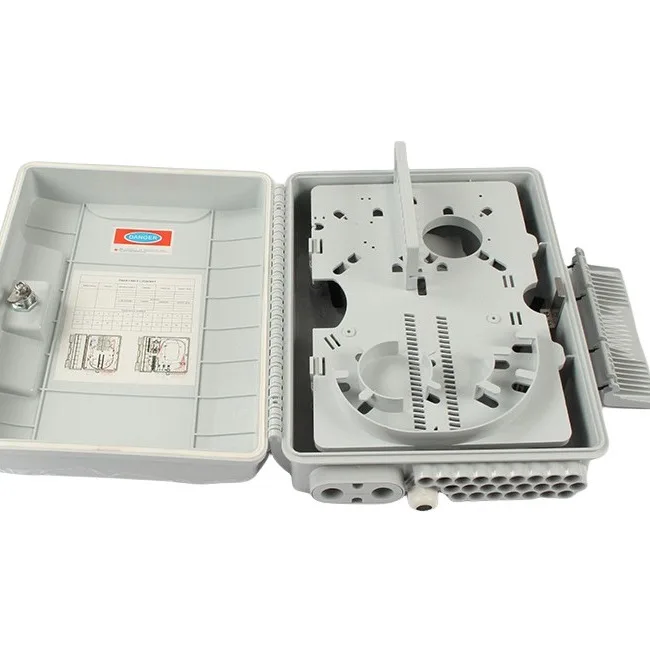
An optical patch panel is designed to provide an organized interface for terminating, connecting, and managing optical fibers within network cabinets and racks. It can accommodate adapter panels, fiber termination points, splice modules, and patch connections depending on the system architecture. Configuration can be planned around fiber count, connector type, adapter format, port density, cable entry direction, and available rack space. Typical applications include data centers, telecom rooms, central offices, enterprise networks, FTTH distribution systems, and fiber backbone infrastructure. By creating a centralized connection point, the panel helps technicians identify fiber paths, perform testing, troubleshoot links, and make planned network changes more efficiently. Proper cable routing also reduces congestion and keeps the cabinet easier to service. For expanding infrastructure, modular optical patch panel configurations can provide additional ports in stages, helping network operators manage new connections without significantly changing the existing fiber distribution structure.

Frequently Asked Questions

What is an optical patch panel used for?

An optical patch panel provides a centralized location for terminating, connecting, and organizing optical fibers. It helps separate incoming trunk cables from equipment connections while providing accessible ports for patching, testing, troubleshooting, and routine network maintenance.
They are commonly installed in data centers, telecom rooms, central offices, enterprise networks, FTTH distribution areas, and backbone facilities. They are suitable for applications requiring structured fiber termination and convenient access to optical connections.
Consider fiber count, connector type, adapter configuration, port density, rack size, cable entry direction, and cable management requirements. Future expansion should also be considered so the selected panel provides sufficient capacity for planned network growth.
Yes. Optical patch panels can be configured with different port densities and adapter arrangements to support high-density fiber infrastructure. Proper planning allows multiple connections to be managed within limited rack or cabinet space while maintaining organized access.
Yes. They can provide organized termination and patching points within FTTH distribution infrastructure. Depending on the network design, the panel can manage feeder, distribution, and equipment-side fiber connections while supporting testing, maintenance, and future network expansion.

Related article

Fiber Optic Cable Deployment for Data Center Backbone.

25

Jun

Fiber Optic Cable Deployment for Data Center Backbone.

Real-world Project Cases Reflecting the Value of Standardized Fiber Optic Cable Deployment With more than sixteen years working in structured cabling and data center infrastructure construction, I have taken charge of dozens of data center backbon...
View More
How to Strip Fiber Cable Without Damaging Fibers?

07

Aug

How to Strip Fiber Cable Without Damaging Fibers?

Stripping a fiber optic cable requires extreme precision. Because the glass cladding and core are extremely thin and fragile, even a microscopic scratch or nick can lead to severe signal loss (attenuation), microbends, or complete fiber failure und...
View More
Fiber Cable Tensile Strength for Aerial Installation.

24

Aug

Fiber Cable Tensile Strength for Aerial Installation.

Deploying optical fiber cables in aerial spans across long distances—such as utility poles over valleys, mountain ridges, and expansive rural infrastructure—exposes the cable assembly to continuous mechanical, gravitational, and environ...
View More
LAN Cable Quality Standards for Enterprise Local Area Networks.

17

Sep

LAN Cable Quality Standards for Enterprise Local Area Networks.

Enterprise LAN Cable Selection Guide: Categories, Shielding, Standards, and Performance Why Choosing the Right LAN Cable Matters for Enterprise Networks A reliable LAN cable is the foundation of modern enterprise network infrastructure. Although wi...
View More

Customer Testimonials

Brian Mitchell

“The optical patch panel gave our technicians a clear connection point for multiple fiber links. Port organization made testing and troubleshooting easier while keeping the rack cleaner and more accessible.”

Eric Johnson

“We integrated the panel into an enterprise network cabinet and found the layout useful for separating backbone and equipment connections. The available port arrangement also supported our expansion plans.”

Get a Free Quote

Our representative will contact you soon.
Email
Mobile/WhatsApp
Name
Company Name
Message
0/1000
Centralized Fiber Termination

Centralized Fiber Termination

An optical patch panel creates a defined location for terminating and managing optical fiber connections within a rack or cabinet. Incoming trunk cables, adapter ports, and equipment-side patch cords can be organized around a centralized interface, helping technicians understand the fiber layout more easily. The configuration can be planned according to fiber count, connector type, adapter arrangement, and available cabinet space. This is useful in data centers, telecom rooms, enterprise networks, and backbone facilities where multiple optical connections converge. A structured termination point can also simplify testing and service activities by giving technicians direct access to individual ports without searching through unmanaged cable bundles.
Efficient Cable Management

Efficient Cable Management

Proper cable organization is an important part of maintaining a manageable fiber infrastructure. An optical patch panel provides a structured location for routing and connecting optical cables, helping reduce congestion around active equipment. Ports can be labeled and arranged according to the network architecture, making it easier to identify individual fiber paths during installation and maintenance. Cable entry and routing requirements can be considered during configuration to maintain suitable bend management and working space. This makes the panel practical for data centers, telecom facilities, FTTH distribution systems, and enterprise networks. A cleaner cabinet layout can also provide technicians with more convenient access when testing, repairing, or modifying fiber connections.
Flexible Network Expansion

Flexible Network Expansion

Fiber infrastructure often needs to expand as additional equipment, users, buildings, or network routes are introduced. An optical patch panel can provide a scalable connection platform by allowing port capacity and adapter configuration to be planned around both current and expected requirements. Modular arrangements can support staged deployment, allowing new connections to be added without completely rebuilding the existing fiber distribution system. Project teams can consider fiber count, rack space, connector format, and future port requirements during initial planning. This approach is useful for growing enterprise networks, data centers, and telecom infrastructure where organized fiber management must be maintained while new optical connections are introduced over time.

Get a Free Quote

Our representative will contact you soon.
Email
Mobile/WhatsApp
Name
Company Name
Message
0/1000