MPO Patch Panel: High-Density Fiber Management for Data Centers

All Categories
High-Density MPO Fiber Connectivity

High-Density MPO Fiber Connectivity

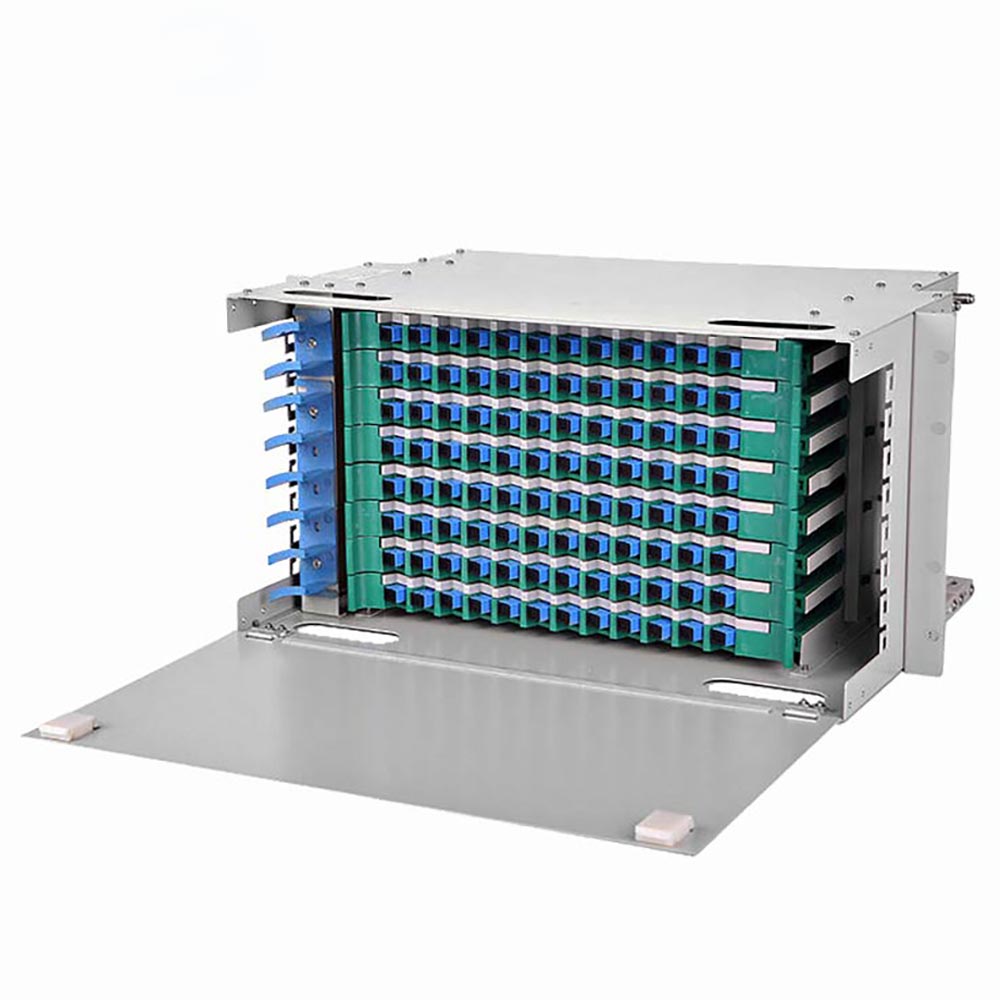
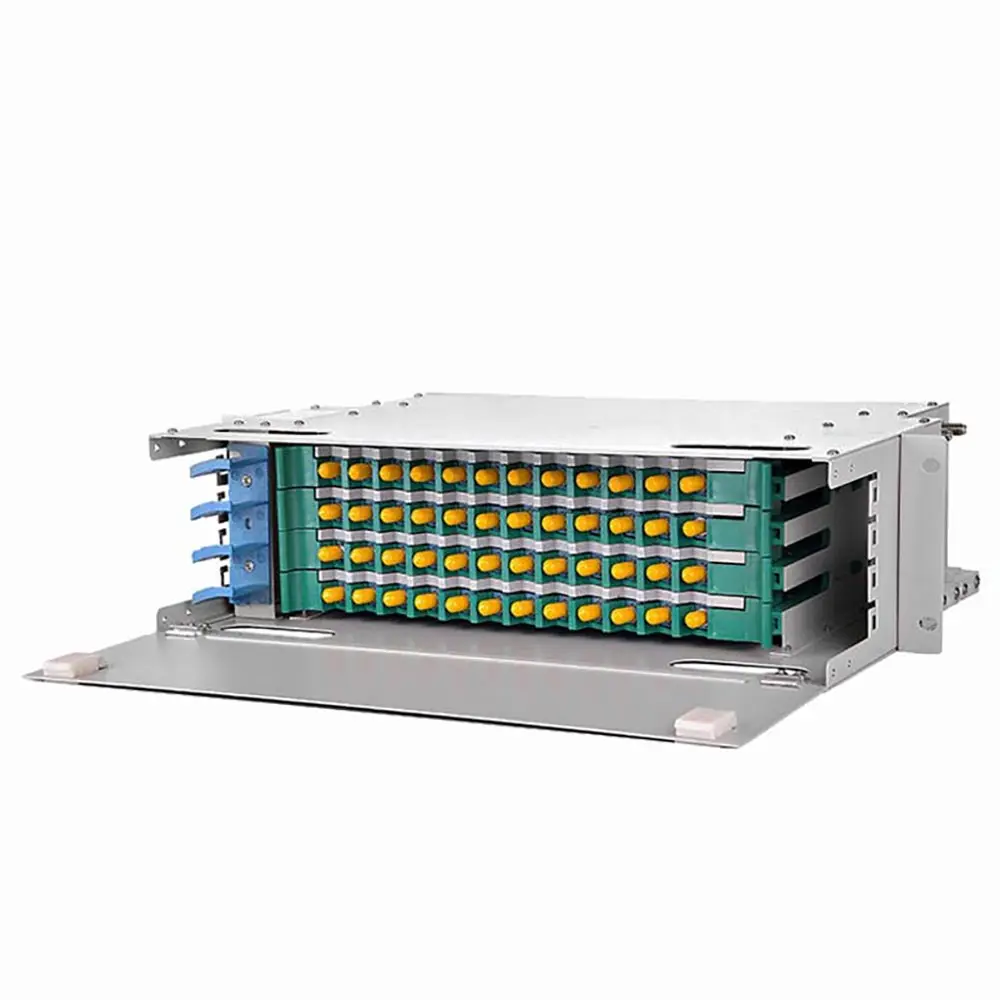
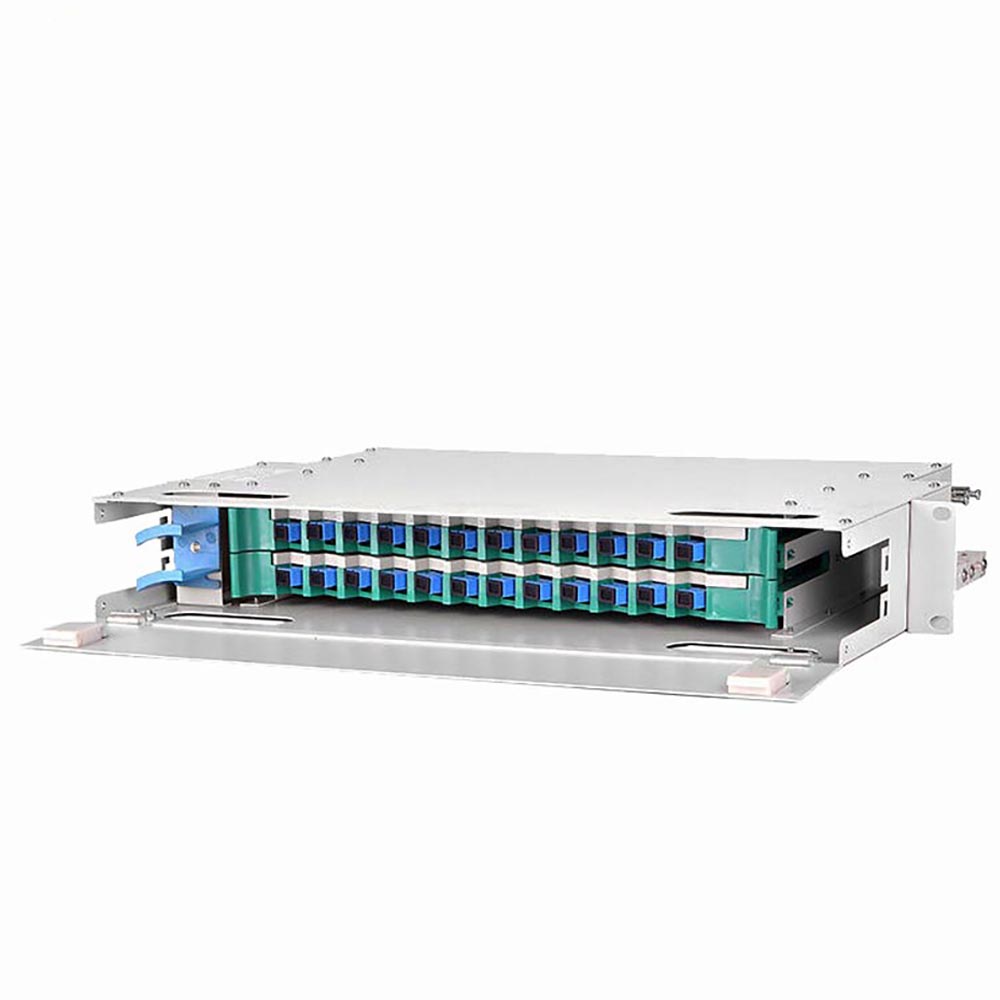
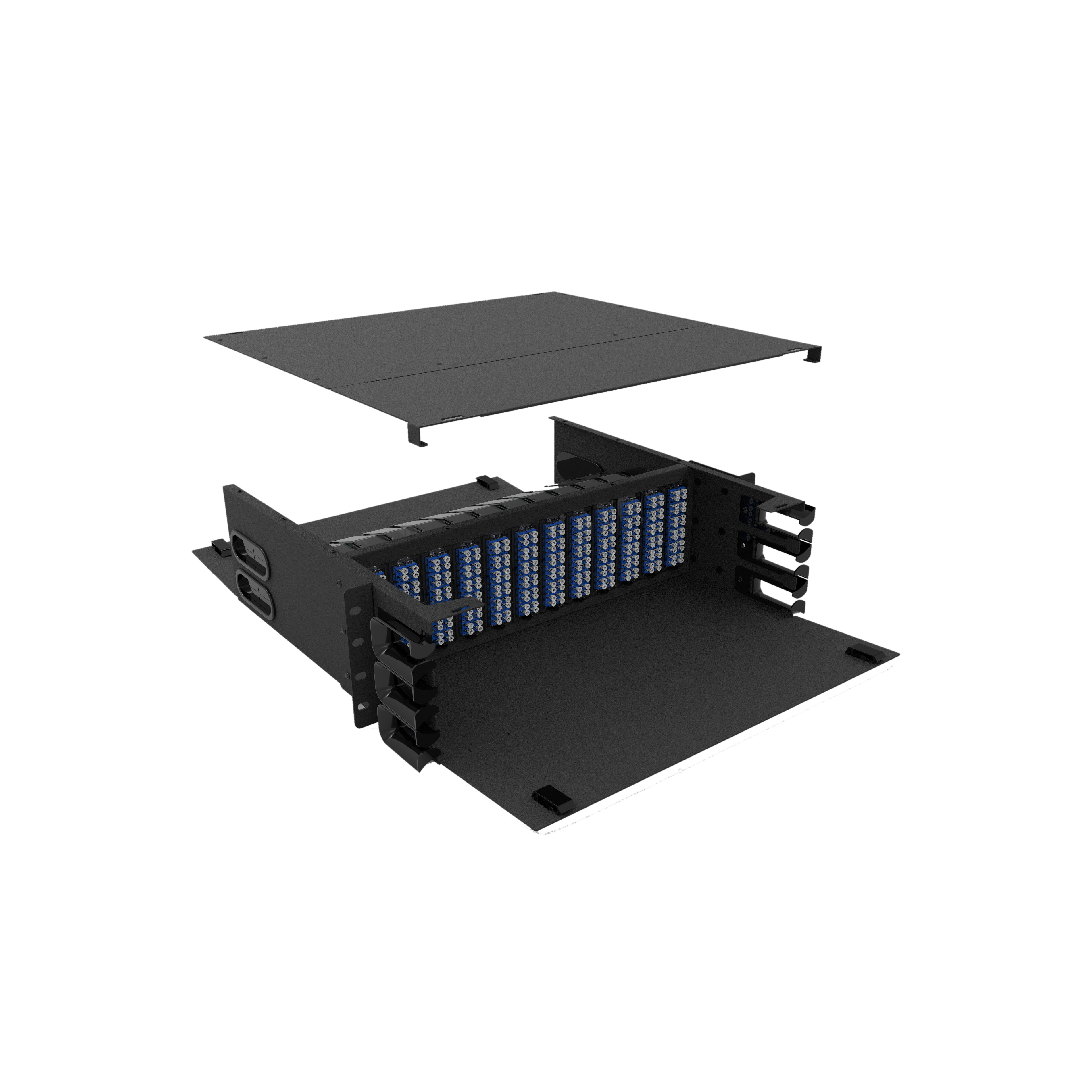
An MPO patch panel provides an organized platform for managing high-density fiber connections in data centers, telecom rooms, and structured cabling environments. By consolidating multiple MPO connections into a compact panel, it helps reduce cable congestion and simplify fiber routing within network cabinets and racks. The panel can be configured around adapter types, fiber counts, connector polarity, and required port density. It is suitable for backbone links, server interconnects, high-speed data transmission, and structured fiber infrastructure where efficient space utilization is important. Clear port identification and organized cable management also make testing, maintenance, and network changes easier for technicians. For growing infrastructure, modular MPO patch panel configurations can support phased expansion without requiring a complete redesign of the existing fiber distribution layout.
Get A Quote

Case Study

High-Density Data Center

A data center expansion required a compact solution for managing multiple high-density fiber connections between server racks and network distribution areas. MPO patch panels were installed within selected cabinets to consolidate fiber connections while keeping front-panel access organized. The deployment considered port density, connector polarity, cable routing, and rack space before installation. Structured labeling helped technicians identify individual connections during testing and maintenance. The centralized panel arrangement also reduced unnecessary cable congestion around active equipment. This approach is suitable for data centers, cloud infrastructure, and enterprise networks where large numbers of fiber connections must be managed efficiently within limited rack space.

Telecom Room Upgrade

A telecom operator needed to upgrade an existing fiber distribution area while maintaining an organized cabinet layout. MPO patch panels provided a structured interface for high-density trunk connections and simplified the transition between backbone cabling and equipment-side connections. The project team planned the panel arrangement according to available rack space, fiber capacity, connector configuration, and future port requirements. Technicians could access and identify individual connections from a centralized location during maintenance. This solution is suitable for telecom rooms, central offices, and enterprise communication facilities where efficient fiber management is required while allowing additional connections to be introduced as network capacity increases.

Structured Fiber Backbone

A structured cabling project required an efficient method for organizing MPO trunk connections between multiple network cabinets. MPO patch panels were used to create defined connection points and maintain cleaner fiber routing throughout the installation. The design considered connector type, polarity, port density, cable routing, and cabinet dimensions before deployment. Centralized connections made it easier for technicians to trace fiber paths and perform planned changes without disturbing unrelated cables. The configuration is suitable for enterprise networks, data centers, and high-speed backbone infrastructure where compact fiber distribution and straightforward maintenance are important for long-term network management.

Related products

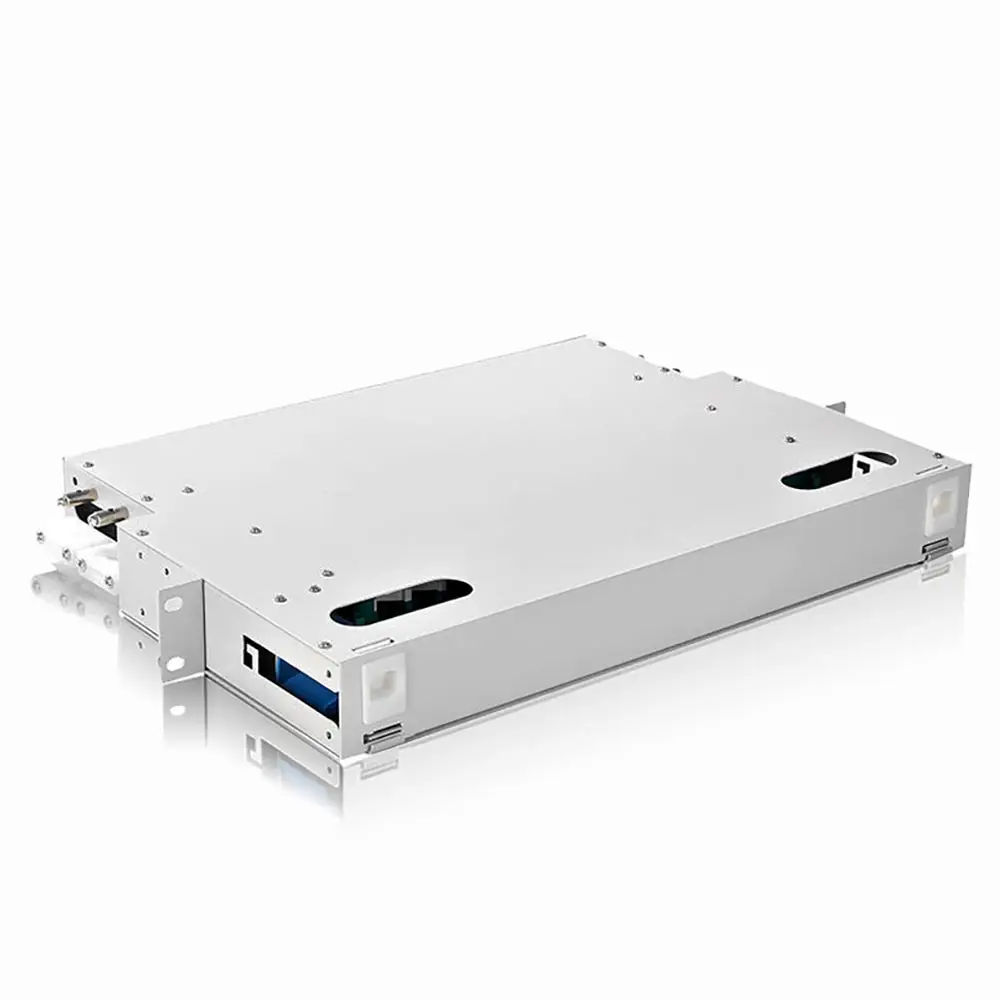
An MPO patch panel is designed to organize and manage high-density MPO fiber connections within network racks, cabinets, and structured cabling systems. It provides a centralized interface between MPO trunk cables, adapter modules, and equipment-side fiber connections, helping technicians maintain cleaner cable routing and easier port identification. Depending on the project, the panel can be configured around fiber count, adapter type, connector polarity, port density, and rack requirements. Common applications include data centers, telecom rooms, enterprise networks, cloud infrastructure, and high-speed backbone systems. A properly planned MPO patch panel can help maximize available cabinet space while reducing cable congestion around active equipment. It also provides a practical access point for testing, troubleshooting, and network changes. For growing fiber infrastructure, modular configurations can allow additional connections to be incorporated in stages, supporting more manageable expansion without requiring major changes to the overall rack layout.

Frequently Asked Questions

What is an MPO patch panel used for?

An MPO patch panel provides a centralized interface for organizing and managing high-density MPO fiber connections. It can connect trunk cables with adapter modules or equipment-side connections while helping technicians maintain structured routing and easier access within network cabinets.
They are commonly used in data centers, telecom rooms, enterprise networks, central offices, and structured cabling environments. They are particularly useful where high fiber density, compact rack utilization, and organized MPO connectivity are required.
Consider fiber count, MPO connector type, polarity, adapter configuration, port density, rack dimensions, cable routing, and future expansion requirements. The panel should match the trunk cables and connectivity architecture used in the overall fiber network.
Yes. MPO technology allows multiple fibers to be handled through compact multi-fiber connections, making MPO patch panels suitable for high-density applications. Proper port planning can help maximize rack space while keeping fiber connections organized and accessible.
Yes. MPO patch panels are commonly suitable for data center fiber distribution, backbone connections, and high-speed network infrastructure. They provide centralized connection points that can simplify cable management, testing, maintenance, and future network expansion.

Related article

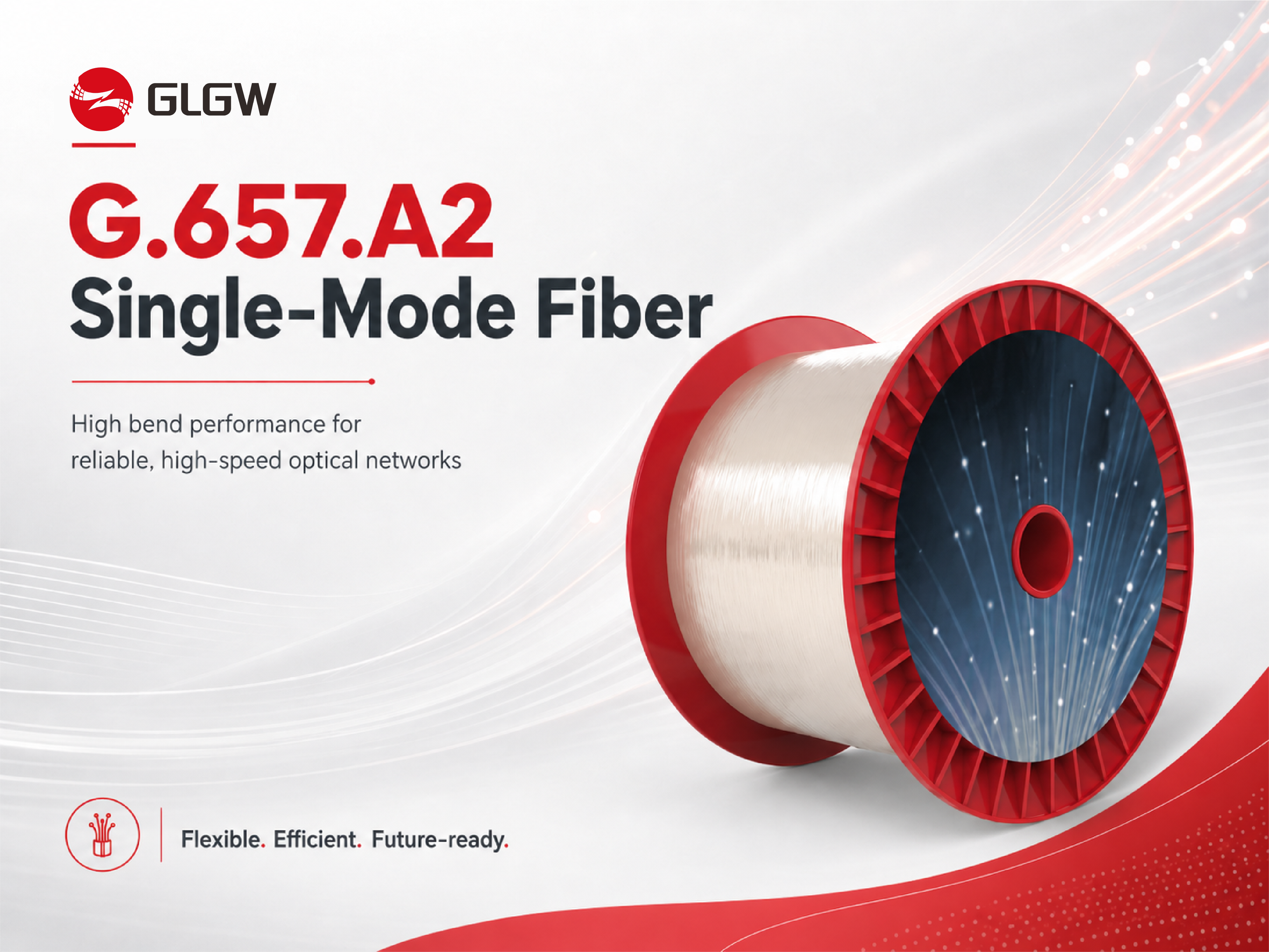
G.657.A2 Single-Mode Fiber for Reliable High-Speed Optical Networks

09

May

G.657.A2 Single-Mode Fiber for Reliable High-Speed Optical Networks

G.657.A2 single-mode fiber offers excellent bend performance, stable transmission, and flexible installation for FTTH, indoor cabling, access networks, and high-speed optical communication systems.
View More
How to Strip Fiber Cable Without Damaging Fibers?

07

Aug

How to Strip Fiber Cable Without Damaging Fibers?

Stripping a fiber optic cable requires extreme precision. Because the glass cladding and core are extremely thin and fragile, even a microscopic scratch or nick can lead to severe signal loss (attenuation), microbends, or complete fiber failure und...
View More
Bulk cable deployment for campus network construction.

13

Aug

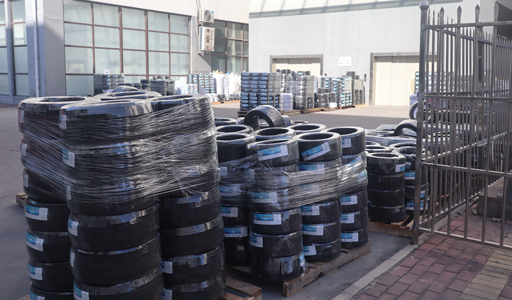
Bulk cable deployment for campus network construction.

Deploying bulk fiber optic and structured copper cabling across a university campus, corporate park, or large institutional facility is vastly different from installing localized runs in a single server room or small office. Campus environments req...
View More
LAN Cable Quality Standards for Enterprise Local Area Networks.

17

Sep

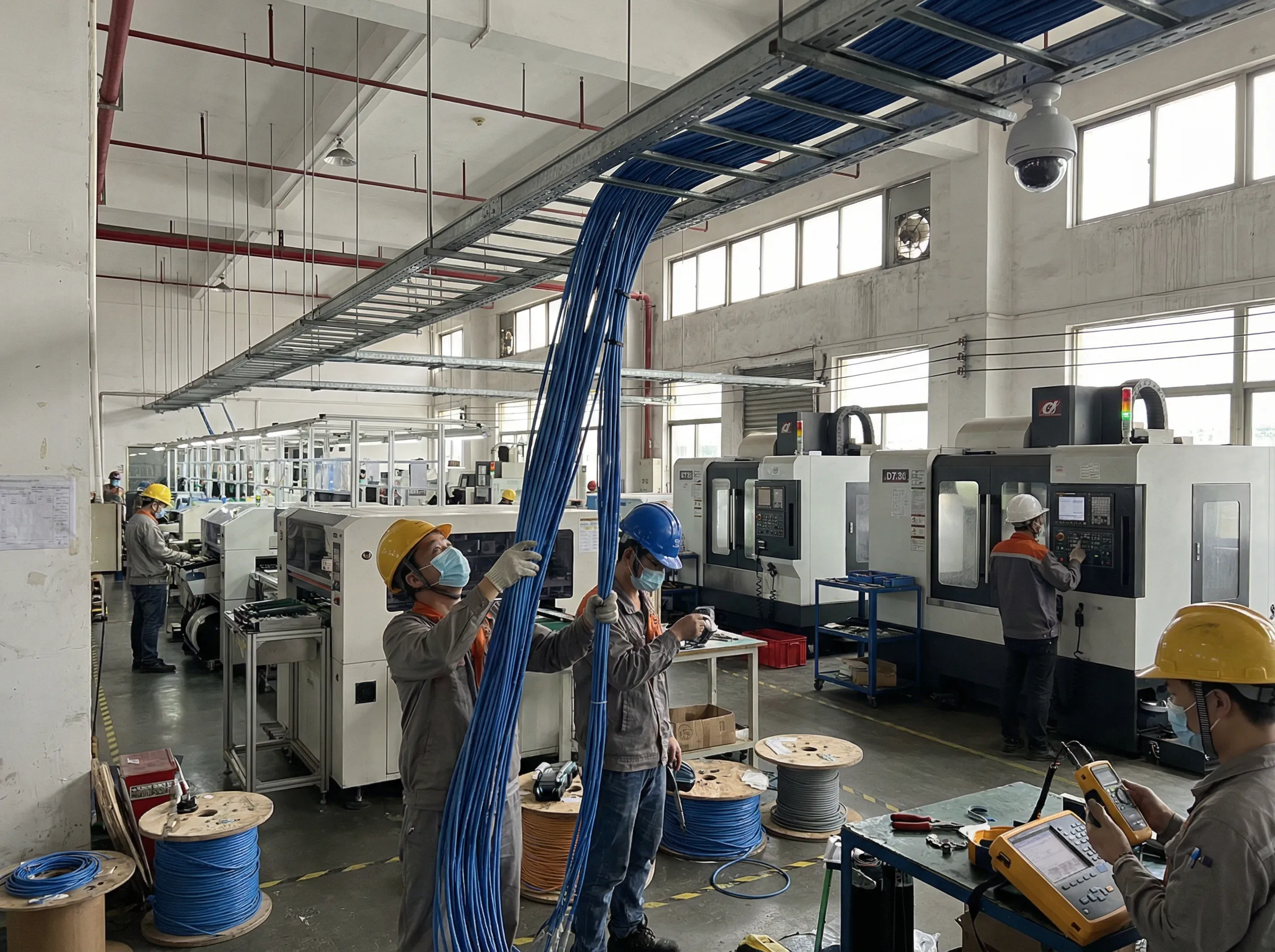
LAN Cable Quality Standards for Enterprise Local Area Networks.

Enterprise LAN Cable Selection Guide: Categories, Shielding, Standards, and Performance Why Choosing the Right LAN Cable Matters for Enterprise Networks A reliable LAN cable is the foundation of modern enterprise network infrastructure. Although wi...
View More

Customer Testimonials

James Anderson

“The MPO patch panel helped us consolidate trunk connections inside a limited rack area. Port labeling and centralized access made routine testing easier and reduced cable congestion around the equipment.”

Chris Walker

“We used the panel for a high-density telecom installation and found the layout practical for managing multiple MPO connections. It also left room for adding connections during later expansion.”

Get a Free Quote

Our representative will contact you soon.
Email
Mobile/WhatsApp
Name
Company Name
Message
0/1000
High-Density Fiber Management

High-Density Fiber Management

An MPO patch panel provides a compact way to organize multiple fiber connections within a rack or cabinet. Instead of allowing numerous individual fiber links to spread around active equipment, the panel creates a defined connection interface for MPO trunk cables and related modules. This can improve cable routing and make individual ports easier to identify during installation and maintenance. Port density can be planned according to the network architecture, available rack space, and required fiber capacity. The solution is particularly useful for data centers, telecom rooms, and enterprise networks where large numbers of fiber connections need to be managed within a limited physical footprint.
Simplified Network Maintenance

Simplified Network Maintenance

Centralizing MPO connections within a patch panel can make fiber testing, troubleshooting, and planned network changes more manageable. Technicians can access defined connection points without searching through large bundles of cables surrounding active equipment. Clear labeling and structured routing can also help identify individual ports and trace connections more efficiently. Panel configurations can be planned around connector type, polarity, fiber count, and cable arrangement to match the wider network architecture. This makes the MPO patch panel suitable for data centers, telecom facilities, enterprise networks, and structured cabling projects where consistent fiber management is important. A well-organized interface can also simplify future service work.
Scalable Rack Infrastructure

Scalable Rack Infrastructure

Network requirements often increase as additional servers, switches, storage systems, or backbone links are deployed. An MPO patch panel can support this growth by providing a structured connection platform within the existing rack infrastructure. Project teams can plan port density, adapter modules, fiber counts, and available rack space according to current and expected requirements. Modular configurations can allow connections to be introduced in stages rather than changing the complete cabling architecture at once. This approach is useful for data centers and enterprise networks undergoing phased expansion. By keeping trunk connections organized at a centralized interface, the patch panel can help maintain cleaner racks while supporting future fiber connectivity.

Get a Free Quote

Our representative will contact you soon.
Email
Mobile/WhatsApp
Name
Company Name
Message
0/1000