Fiber Optic Termination Box: IP65 Outdoor FTTH Enclosures

All Categories
Efficient Fiber Termination and Cable Management

Efficient Fiber Termination and Cable Management

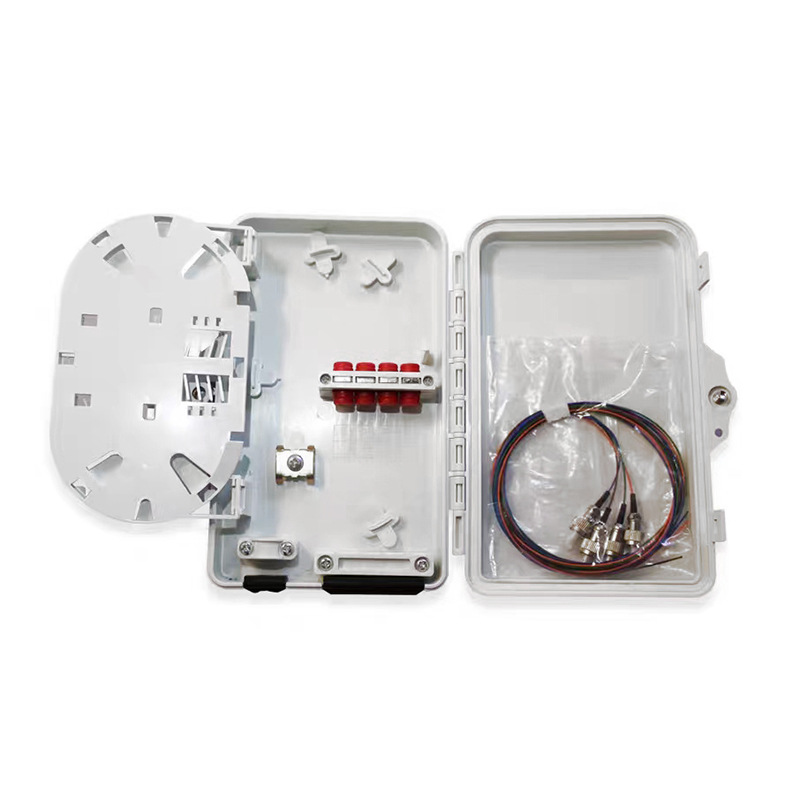
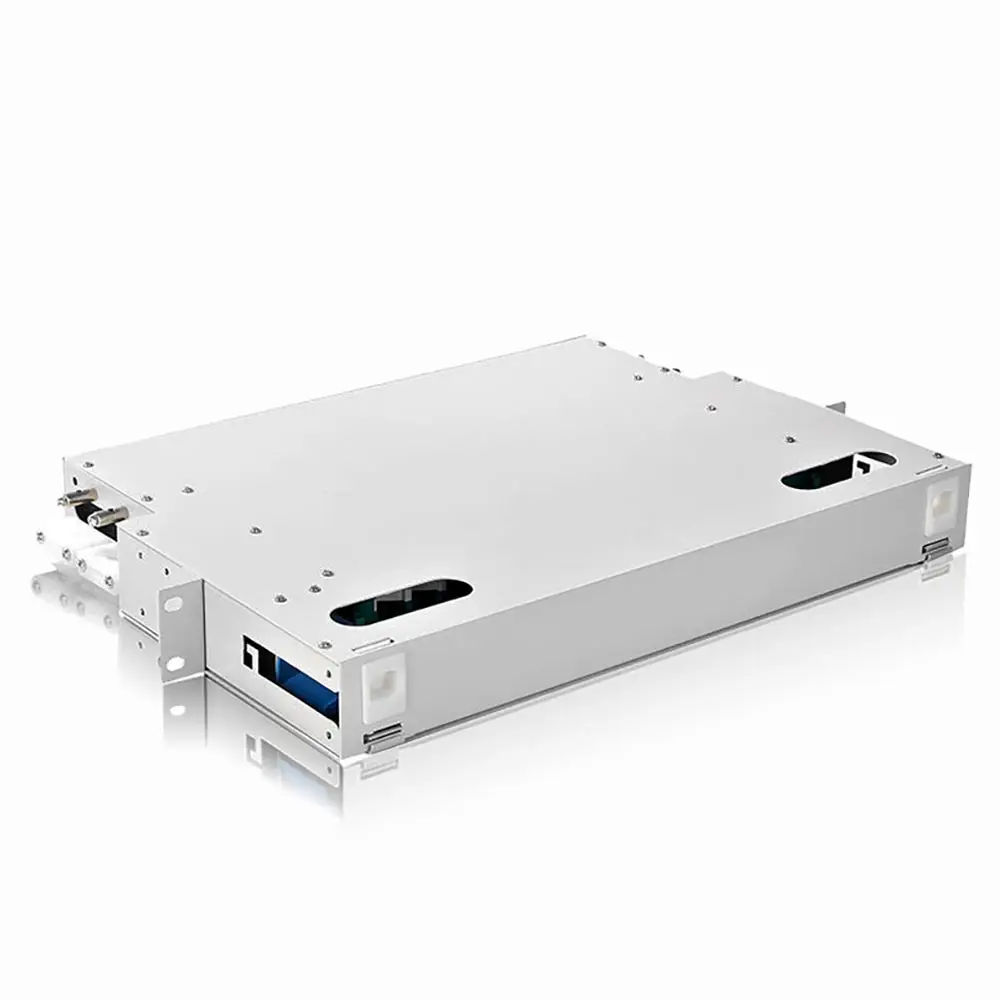
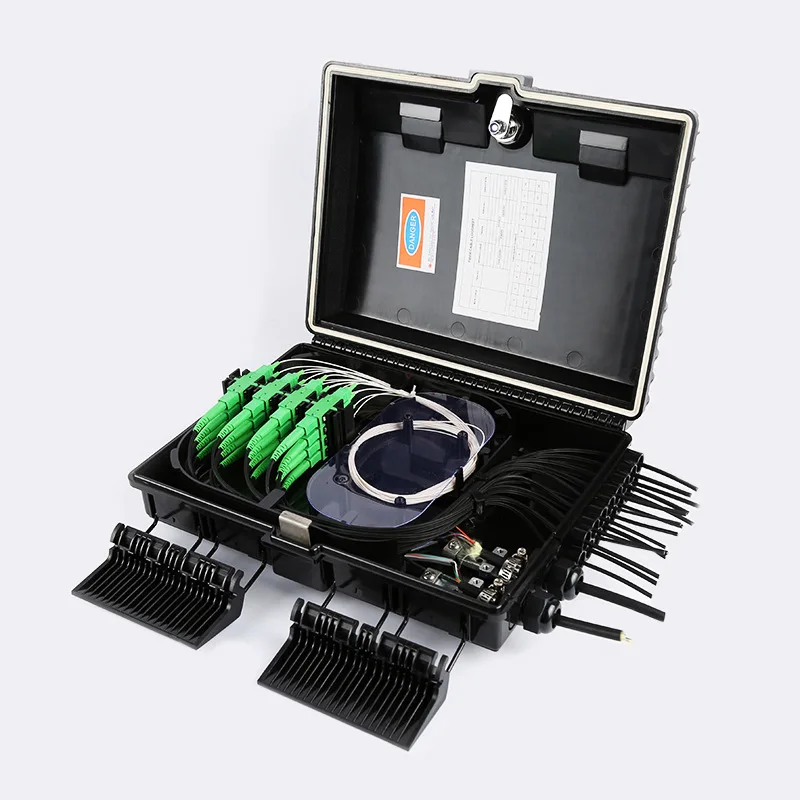
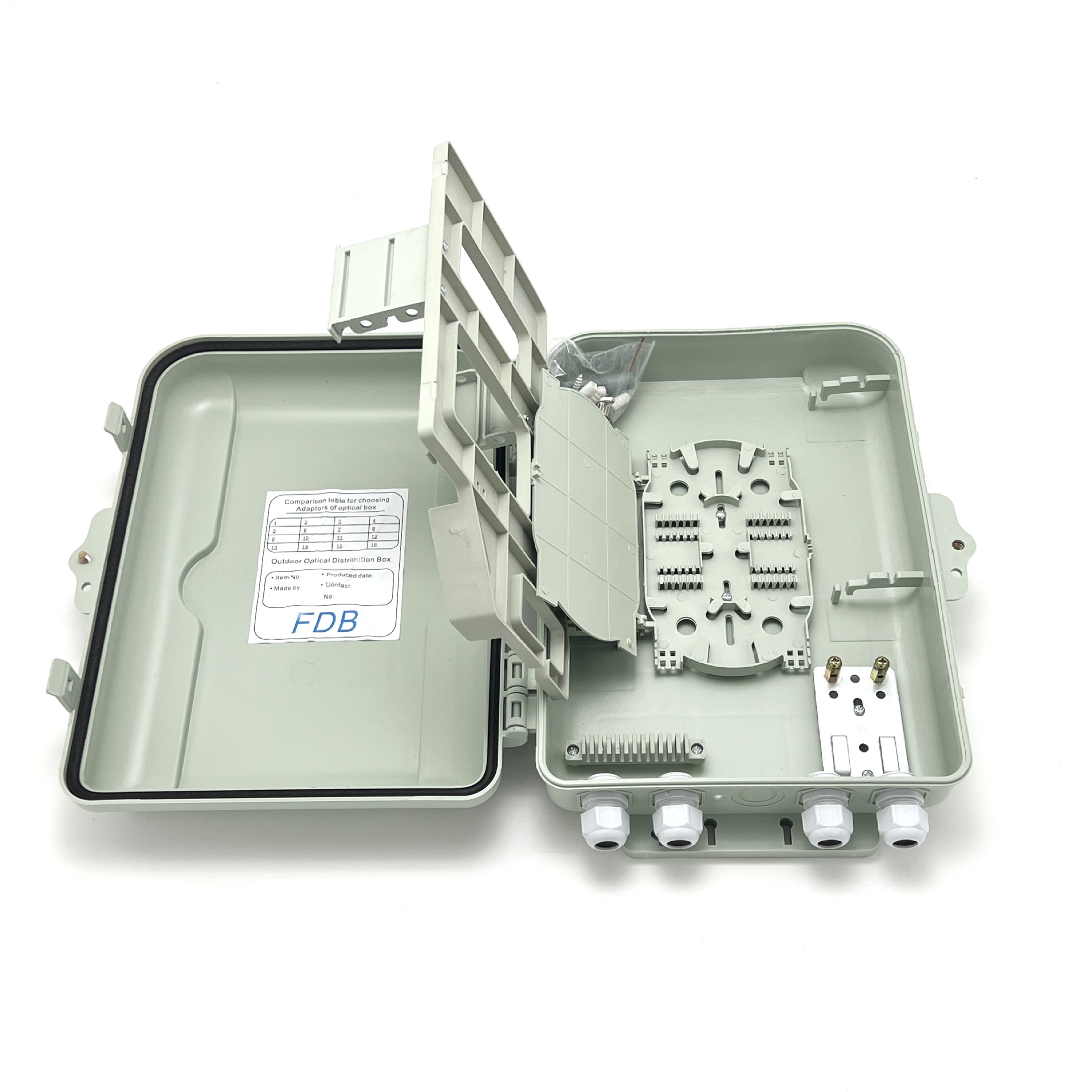
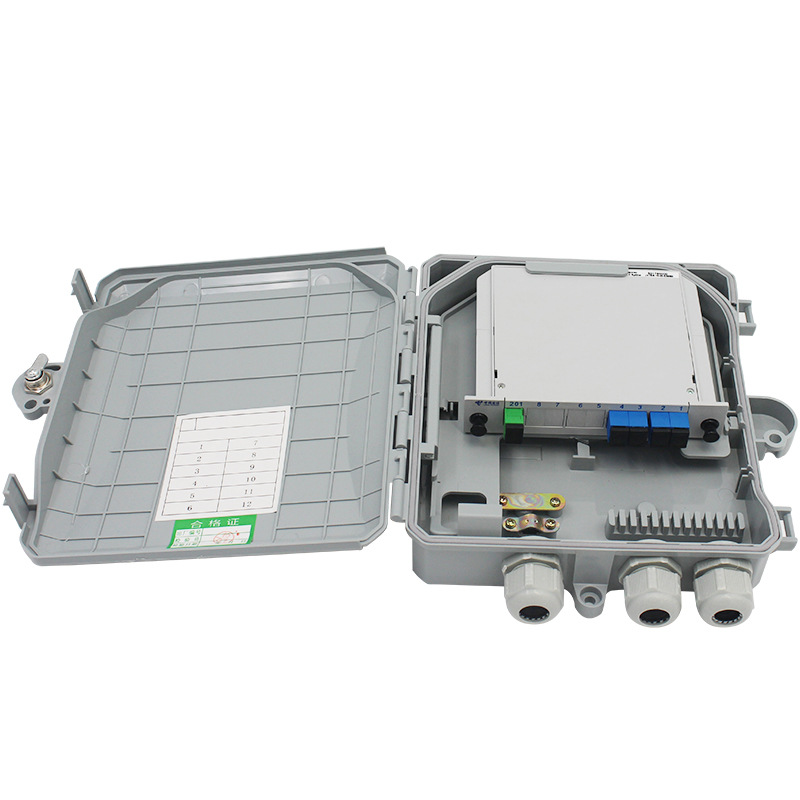
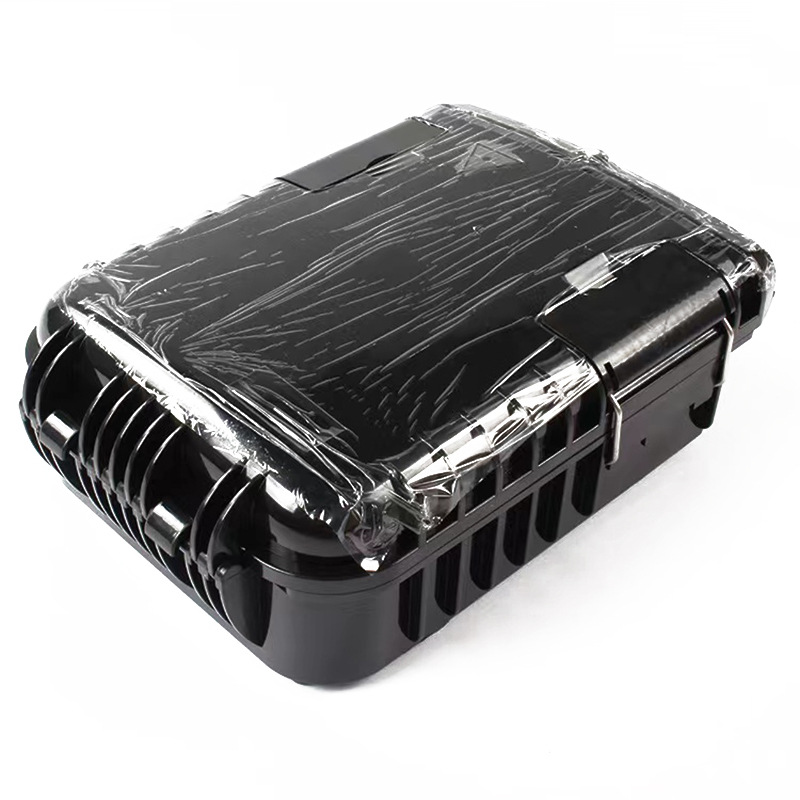
A fiber optic termination box provides a structured enclosure for terminating, connecting, and organizing optical fiber cables in access, telecom, and communication networks. It can be configured with suitable adapter panels, splice trays, cable entry ports, and fiber storage according to project requirements. Internal routing helps maintain appropriate bend radius and keeps individual fibers organized for easier testing and maintenance. Depending on the application, the box can support wall-mounted, cabinet-based, indoor, or protected outdoor installations. It is suitable for FTTH networks, enterprise infrastructure, telecom distribution points, and other fiber access environments. By creating a dedicated termination location, the enclosure helps technicians manage connections efficiently while allowing practical capacity for future network expansion.
Get A Quote

Case Study

Residential Subscriber Connections

A fiber optic termination box can provide a structured point for terminating incoming fiber cables and connecting them to subscriber-side equipment in residential FTTH installations. Adapter interfaces can organize connectorized fibers, while internal storage helps manage excess cable and protect fiber routing. The enclosure keeps connection points accessible for testing and service work without exposing individual fibers unnecessarily. For multi-unit residential projects, the configuration can be selected according to the number of required connections and available installation space. This creates a practical termination point for organized last-mile fiber deployment.

Telecom Distribution Network

In telecom distribution networks, a fiber optic termination box can be installed where feeder or distribution fibers transition into local network connections. The enclosure provides a controlled location for fiber termination, patching, and cable management. Depending on project requirements, it can accommodate different adapter interfaces, fiber capacities, cable entry arrangements, and mounting methods. Organized routing helps technicians identify individual connections during testing and maintenance. When network capacity needs to increase, selecting an appropriately sized termination box can provide additional connection space without requiring major changes to the surrounding fiber infrastructure.

Enterprise Network Deployment

A fiber optic termination box can help organize optical connections in enterprise buildings, campuses, and communication rooms. Incoming fiber cables can be routed into the enclosure and terminated through suitable adapter interfaces before connecting to patch cords or network equipment. Internal fiber storage helps maintain cleaner cable paths and protects connection areas during service activities. For installations with multiple fiber links, a structured termination point makes it easier for technicians to identify and test individual connections. The box can therefore support both initial deployment and future network expansion in organized enterprise environments.

Related products

A fiber optic termination box is designed to provide a compact and organized point for terminating and managing optical fiber cables. It can be used for fiber termination, patching, cable storage, and connection management in FTTH, telecom, enterprise, campus, and other communication networks. Depending on the configuration, the enclosure may include adapter panels, splice trays, cable entry ports, fiber routing channels, and storage areas. These components help technicians maintain organized fiber connections while controlling cable movement and bend radius. When selecting a termination box, consider fiber count, connector type, cable diameter, splice requirements, mounting location, cable entry direction, and future expansion needs. A suitable configuration can simplify installation and maintenance by keeping optical connections accessible and clearly organized. It also provides a practical transition point between incoming fiber cables, patch cords, and network equipment.

Frequently Asked Questions

What is a fiber optic termination box?

A fiber optic termination box is an enclosure used to terminate, organize, and protect optical fiber connections. It provides space for adapter interfaces, fiber storage, and cable routing, allowing technicians to connect incoming fiber cables with patch cords or network equipment in a structured installation.
It is commonly used in FTTH networks, telecom distribution points, enterprise communication rooms, campus networks, and other fiber access environments. The appropriate configuration depends on fiber capacity, connector requirements, mounting location, cable routing, and installation conditions.
Yes. Depending on the design, a fiber optic termination box can include splice trays or dedicated fiber management areas for splicing before termination. The available splice capacity depends on the selected configuration, fiber count, and internal tray arrangement.
Consider fiber capacity, connector interface, cable diameter, splice requirements, cable entry direction, mounting method, available installation space, and environmental conditions. Future expansion should also be considered so additional fiber connections can be accommodated without creating excessive cable congestion.
Yes. Fiber optic termination boxes are commonly suitable for FTTH applications where feeder or distribution fibers need to be terminated and connected to subscriber-side cables or equipment. Capacity and connector configuration can be selected according to the network architecture and subscriber requirements.

Related article

Connecting the World, Powering the Future

21

May

Connecting the World, Powering the Future

GLGW delivers high-quality cable solutions that keep the world connected. Built on trust and driven by innovation, our products provide reliable, efficient connectivity for industries, businesses, and communities. Experience the power of seamless connections and discover how GLGW is shaping a connected tomorrow.
View More
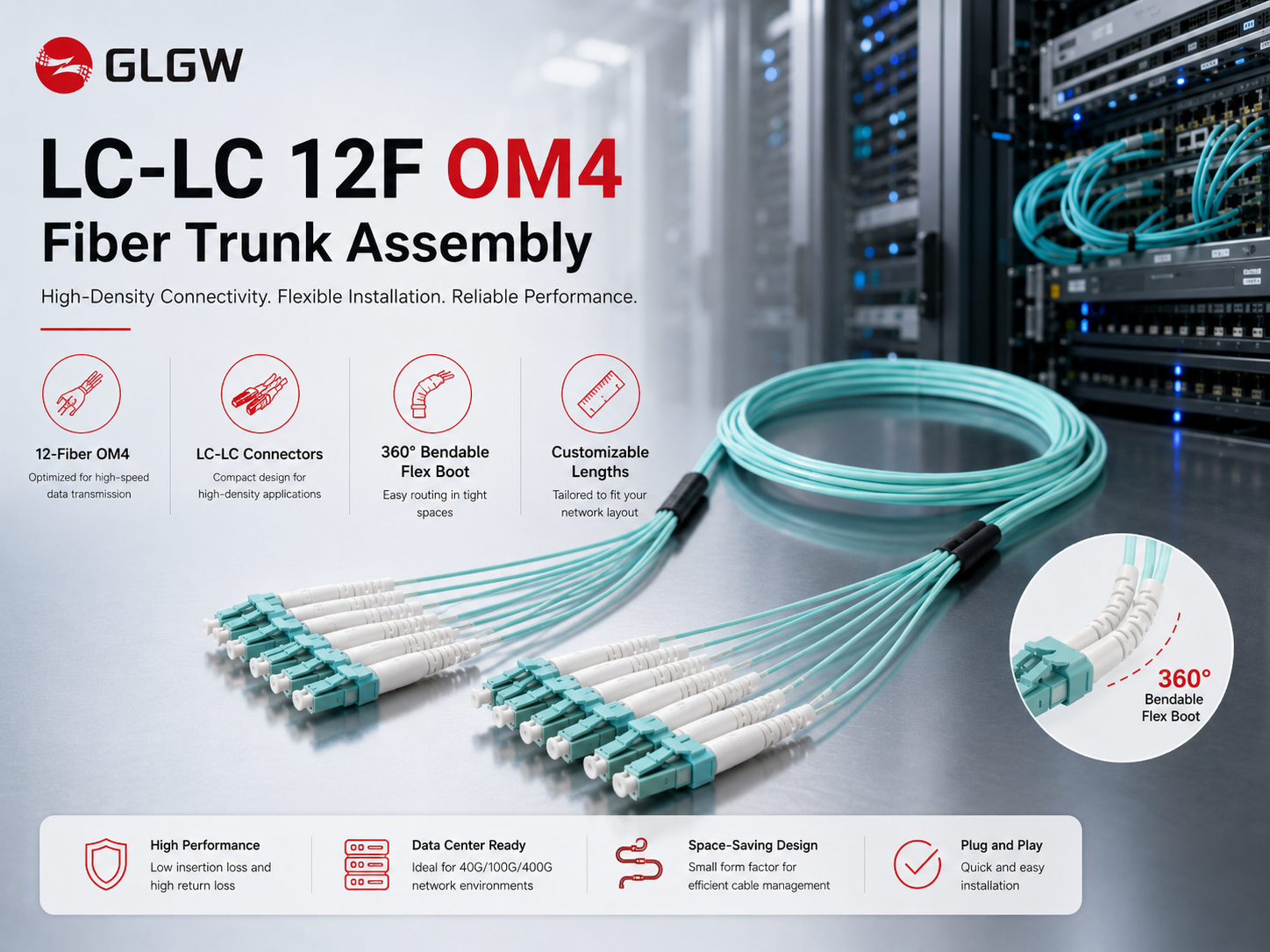
LC-LC 12F OM4 Fiber Trunk Assembly for High-Density Data Centers

21

May

LC-LC 12F OM4 Fiber Trunk Assembly for High-Density Data Centers

GLGW LC-LC 12F OM4 Fiber Trunk Assembly is designed for high-density data center connectivity, offering reliable performance, flexible installation, and clean cable management. With 12-fiber OM4 multimode fiber, LC-LC connectors, customizable lengths, and a 360° bendable flex boot, it provides an efficient solution for server racks, network cabinets, structured cabling systems, and modern data center infrastructure.
View More
Data cables overall planning for office network construction.

12

Jun

Data cables overall planning for office network construction.

Practical Field Experience in Early Demand Assessment for Office Network Cabling When it comes to office network cabling, many business owners and project managers tend to focus solely on immediate connectivity needs and overlook long-term operati...
View More
How to maintain patch cord for stable connection?

15

Jun

How to maintain patch cord for stable connection?

Daily visual inspection and routine troubleshooting of patch cord For anyone managing office networks, data centers or large-scale communication systems, patch cord maintenance is never a trivial task. Over my sixteen years working in the global s...
View More

Customer Testimonials

Brian Wilson

“The termination box helped our installation team keep fiber connections clearly organized. Technicians could access individual ports quickly during testing and maintenance without disturbing surrounding cables.”

Eric Johnson

“We used the box for a residential fiber deployment and found the internal routing practical for managing multiple connections. It also provided useful space for future subscriber additions.”

Get a Free Quote

Our representative will contact you soon.
Email
Mobile/WhatsApp
Name
Company Name
Message
0/1000
Structured Fiber Termination

Structured Fiber Termination

A fiber optic termination box creates a dedicated location for organizing optical fiber terminations and connection points. Adapter panels can provide a structured interface for connectors, while internal routing and storage areas help keep fibers separated and protected. This arrangement makes it easier for technicians to identify individual ports during testing, maintenance, or network changes. Depending on the project, the box can be configured for different fiber capacities and connector interfaces. It can serve as an organized transition between incoming optical cables and patch cords, distribution equipment, or subscriber connections, helping maintain a cleaner and more manageable fiber infrastructure.
Flexible Cable Management

Flexible Cable Management

Effective cable management helps protect optical fibers and makes future maintenance more efficient. A fiber optic termination box can provide defined cable entry points, internal routing channels, and storage areas for managing incoming and outgoing fibers. The configuration can be adapted to different cable diameters, entry directions, connector types, and mounting arrangements. Proper routing also helps technicians maintain suitable bend-radius conditions and reduce unnecessary cable movement around connection points. These features make the enclosure suitable for wall-mounted installations, communication rooms, FTTH access locations, and other network environments where organized fiber termination is important.
Scalable Network Connectivity

Scalable Network Connectivity

A well-planned termination box can support current fiber connections while providing practical flexibility for network expansion. Capacity, adapter interfaces, splice arrangements, and cable management components can be selected according to the expected network architecture. This is useful for FTTH projects, telecom distribution systems, enterprise networks, and campus infrastructure where additional connections may be introduced over time. By keeping termination points clearly organized, technicians can add, test, or modify connections with less disruption to existing fibers. Selecting an appropriate capacity during the initial installation can also reduce the need for replacement when the network grows.

Get a Free Quote

Our representative will contact you soon.
Email
Mobile/WhatsApp
Name
Company Name
Message
0/1000