Manifold for Direct Liquid Cooling: Optimize AI/HPC Thermal Management

All Categories
Why Use a Manifold for Direct Liquid Cooling?

Why Use a Manifold for Direct Liquid Cooling?

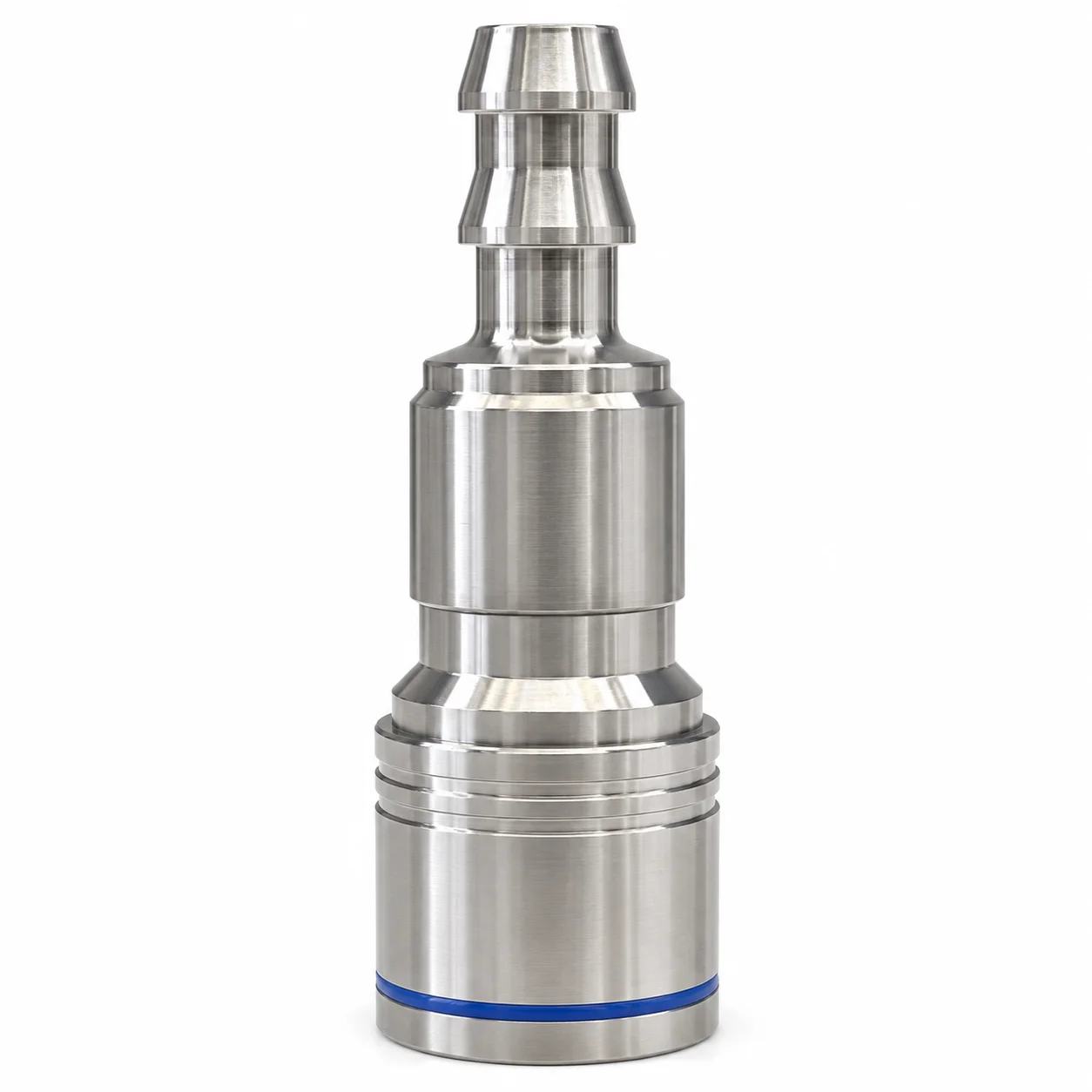
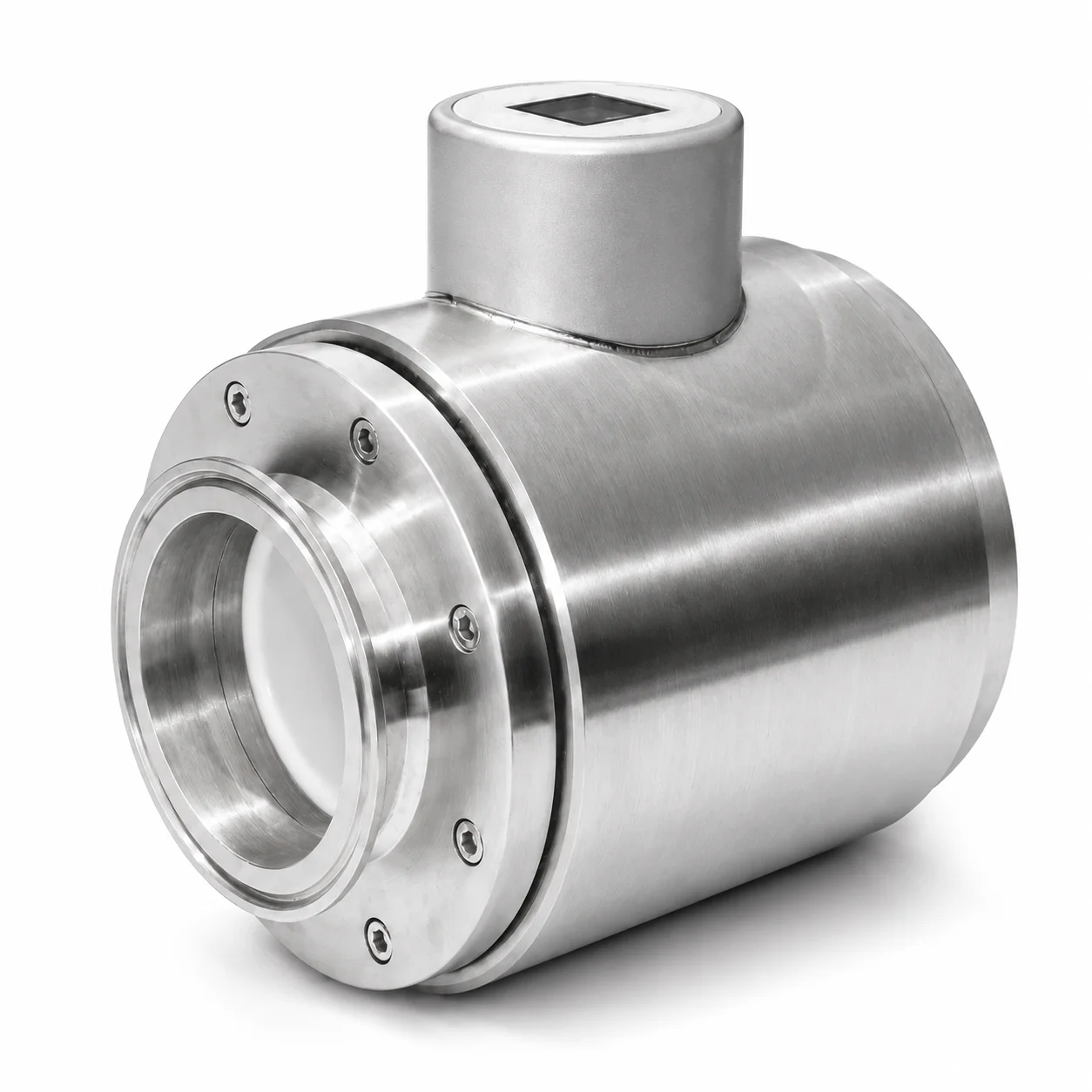
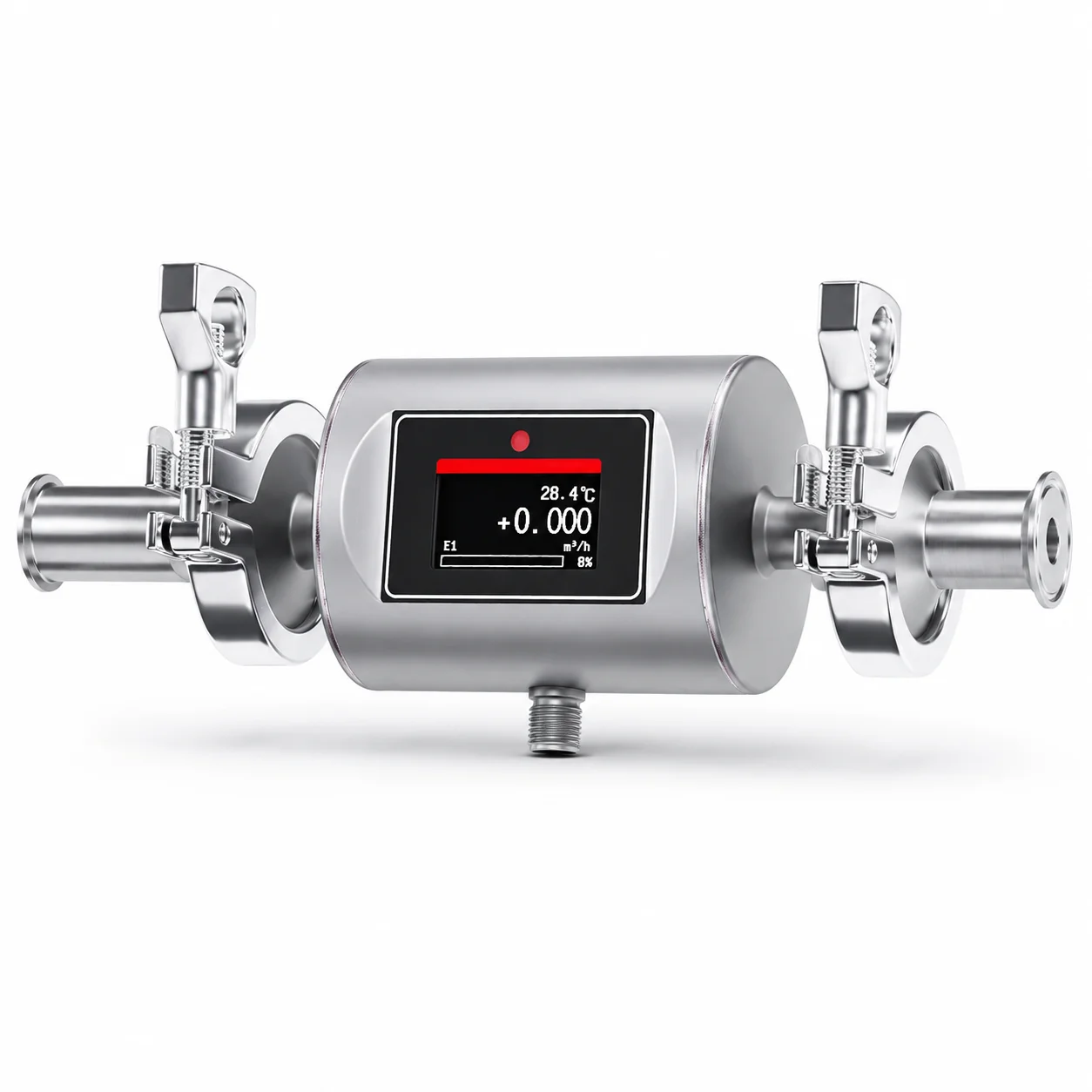
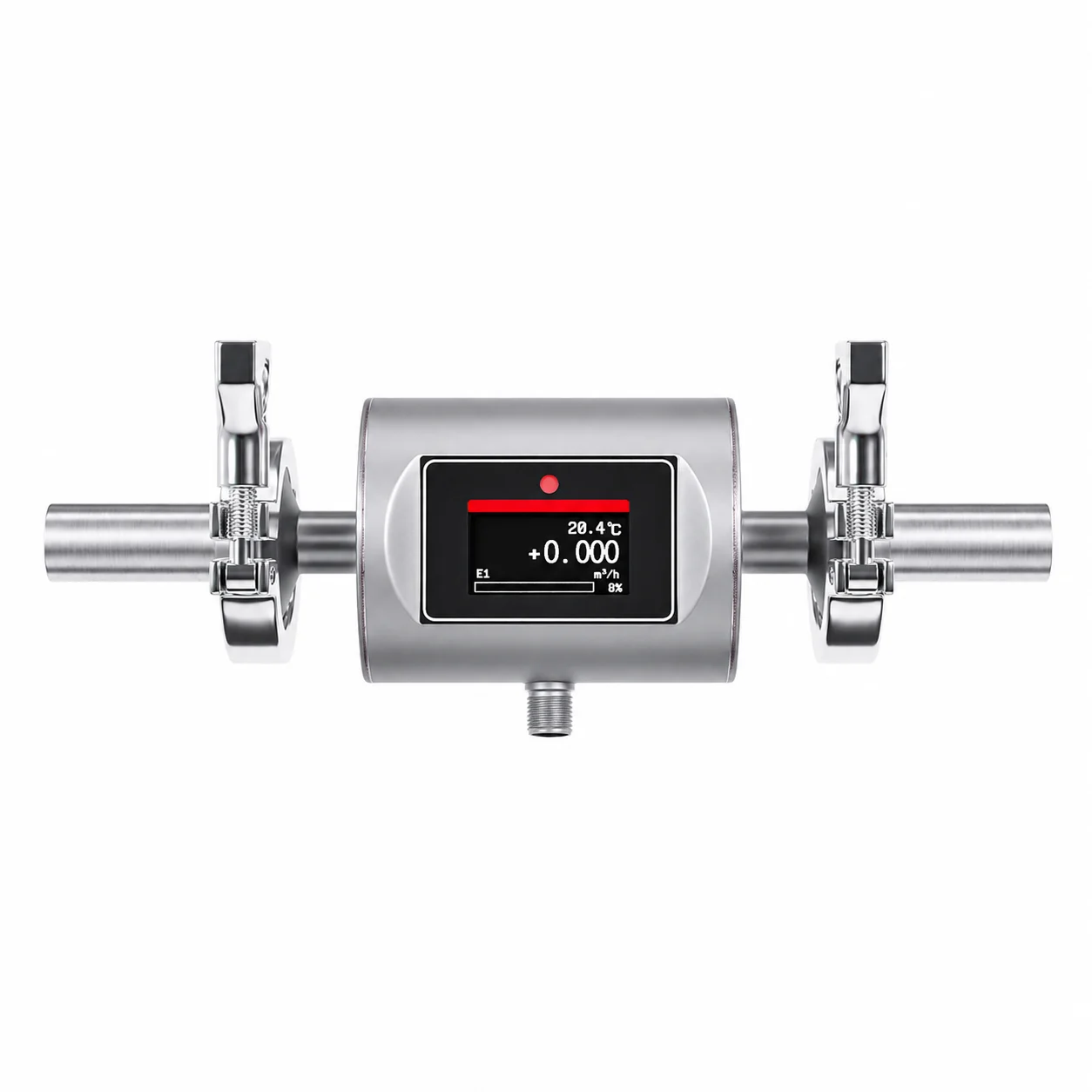
A manifold for direct liquid cooling provides a centralized connection point for distributing coolant to multiple cold plates or liquid-cooled devices. It helps organize supply and return circuits in systems where heat is transferred directly from CPUs, GPUs, or other high-power components to a liquid loop. Depending on system requirements, the manifold can include multiple branch ports, isolation valves, quick disconnect couplings, sensors, and compatible fittings. Proper port arrangement and flow balancing help maintain consistent coolant delivery across parallel cooling branches. This architecture can simplify hose routing, maintenance, and system expansion while supporting direct-to-chip cooling designs. It is suitable for AI servers, HPC systems, data centers, and other high-density computing applications requiring controlled and scalable liquid thermal management.
Get A Quote

Case Study

Multi-GPU Direct Cooling System

A high-density AI server uses multiple GPU cold plates to remove heat directly from accelerator packages. A dedicated manifold distributes coolant from the primary cooling loop to each GPU branch and collects the warmed return fluid. Multiple outlet ports can be arranged to match the server's internal cooling architecture, while isolation valves and quick disconnects can simplify maintenance. Flow requirements are evaluated for each branch to help maintain balanced coolant distribution across the GPUs. This configuration reduces complex individual hose routing and creates a more organized connection between the server cooling plates and the external liquid cooling infrastructure. It can support demanding AI training and inference workloads.

HPC Direct-to-Chip Cooling

An HPC cluster requires direct liquid cooling for processors and accelerators operating under sustained computational workloads. The cooling manifold acts as a distribution interface between the rack-level cooling system and individual cold plate circuits. Supply and return headers can serve multiple servers, while branch connections are configured according to required flow rates, pressure limits, and cooling loads. Sensors may be incorporated to monitor operating conditions, and individual branches can be isolated for service when required. This organized architecture helps simplify coolant management across a dense HPC installation. It is suitable for scientific computing, simulation, AI-assisted workloads, and other applications where conventional air cooling may face increasing thermal demands.

Data Center Liquid Cooling Upgrade

A data center upgrading from conventional cooling to direct liquid cooling may need to integrate new cold plate circuits with existing rack infrastructure. A configurable manifold can provide an organized transition between the coolant distribution unit and multiple server branches. Depending on the installation, it can accommodate supply and return ports, valves, quick disconnect couplings, and monitoring points. Additional ports may allow future servers to be connected without completely redesigning the distribution architecture. Separating and organizing the liquid paths can also make maintenance more manageable. This approach provides a practical way to introduce direct liquid cooling into AI, HPC, and other high-density computing environments while supporting phased infrastructure expansion.

Related products

A manifold for direct liquid cooling distributes coolant between a central cooling loop and multiple cold plates installed directly on CPUs, GPUs, or other heat-generating components. It can be used as part of a direct-to-chip architecture connecting coolant distribution units, pumps, hoses, quick disconnect couplings, and server-level cooling circuits. Depending on the application, the manifold can feature multiple supply and return ports, isolation valves, sensors, and customized fittings. Important design parameters include branch quantity, port size, coolant flow rate, operating pressure, temperature range, pressure drop, material compatibility, and available installation space. Flow balancing is especially important when several cold plates operate in parallel. A properly designed manifold helps keep coolant routing organized, supports individual branch maintenance, and provides a scalable interface for expanding direct liquid cooling systems in AI servers, HPC platforms, and high-density data centers.

Frequently Asked Questions

What is a manifold in a direct liquid cooling system?

A manifold distributes coolant from a primary liquid loop to multiple cold plates or cooling branches and collects the return fluid. In direct liquid cooling, it provides an organized interface between the central cooling infrastructure and chip-level thermal components. The design can be adapted to the number of connected devices and required flow conditions.
Yes. A properly configured manifold can distribute coolant to CPU cold plates, GPU cold plates, or other liquid-cooled components. The required branch flow, pressure, temperature, port configuration, and coolant compatibility should be considered to ensure that each cooling circuit receives suitable liquid flow for its thermal load.
A manifold organizes multiple supply and return connections into a structured distribution system. This can reduce complicated hose routing, support flow balancing, and simplify branch isolation during maintenance. It also provides a scalable connection point when additional cold plates or liquid-cooled servers need to be integrated into an existing cooling architecture.
Typical connections may include cold plates, pumps, coolant distribution units, hoses, quick disconnect couplings, valves, sensors, and heat exchangers. The exact configuration depends on the cooling architecture. Connection sizes, fitting types, flow requirements, operating pressure, and coolant chemistry should be matched across the complete liquid cooling loop.
Selection should consider the number of cooling branches, total coolant flow, operating pressure, temperature range, pressure drop, coolant type, material compatibility, port arrangement, and installation space. The thermal requirements of connected CPUs or GPUs are also important. These factors determine the appropriate manifold dimensions, internal passages, and connection configuration.

Related article

Intelligent Cabling Solutions for Future Networks

21

May

Intelligent Cabling Solutions for Future Networks

View More
Connecting the World, Powering the Future

21

May

Connecting the World, Powering the Future

GLGW delivers high-quality cable solutions that keep the world connected. Built on trust and driven by innovation, our products provide reliable, efficient connectivity for industries, businesses, and communities. Experience the power of seamless connections and discover how GLGW is shaping a connected tomorrow.
View More
What Connector Types for Ethernet Patch Cable?

18

Jul

What Connector Types for Ethernet Patch Cable?

Real World Field Challenges with Commercial Network Overhauls During a massive network overhaul for an e-commerce fulfillment hub last year, my deployment team faced an unexpected wave of packet drops and intermittent link drops across the main pac...
View More
High-Flex Ethernet Patch Cable for Data Center Connections.

18

Aug

High-Flex Ethernet Patch Cable for Data Center Connections.

High-density data center environments present severe mechanical and spatial challenges for network cabling. As rack densities increase with switch port counts climbing to 48 or 64 ports per rack unit (RU), traditional thick, rigid copper patch cord...
View More

Customer Testimonials

Michael Carter

“The manifold helped us organize multiple cold plate connections in a compact server cooling loop. Installation was cleaner, and individual branches were easier to service.”

James Wilson

“We integrated the manifold between our CDU and direct-to-chip cooling branches. The configurable ports made it easier to adapt the system to our rack layout.”

Get a Free Quote

Our representative will contact you soon.
Email
Mobile/WhatsApp
Name
Company Name
Message
0/1000
Organized Supply and Return Flow

Organized Supply and Return Flow

Direct liquid cooling systems often require multiple parallel connections between a cooling source and chip-level cold plates. A dedicated manifold organizes these circuits through structured supply and return headers, helping reduce unnecessary hose routing inside servers or racks. Port positions and branch quantities can be configured according to the cooling architecture, while valves or quick disconnects can provide additional control over individual circuits. Flow balancing is an important consideration when several CPUs or GPUs share the same cooling loop. By providing a centralized distribution interface, the manifold makes the liquid path easier to understand, inspect, and maintain. This organized approach is particularly useful for dense AI servers, HPC systems, and data center deployments with multiple direct-to-chip cooling branches.
Integration With Direct-to-Chip Components

Integration With Direct-to-Chip Components

A manifold can connect multiple components within a direct-to-chip liquid cooling architecture. Depending on the system, it may interface with coolant distribution units, pumps, hoses, quick disconnect couplings, CPU cold plates, GPU cold plates, and heat exchangers. Connection interfaces can be selected according to tubing dimensions, flow requirements, operating pressure, and coolant compatibility. Optional monitoring points may support measurement of temperature or pressure within the distribution network. This modular structure allows the manifold to work with different cooling configurations instead of requiring every server branch to use an independent connection path. It can therefore provide a practical interface between rack-level liquid infrastructure and the chip-level thermal components used in modern high-density computing systems.
Scalable Architecture for High-Density Computing

Scalable Architecture for High-Density Computing

As computing density increases, direct liquid cooling systems may need to support more processors, GPUs, or accelerator modules within limited rack space. A configurable manifold provides multiple branch connections that can be adapted to the required cooling architecture. Additional ports or modular distribution sections can support future system expansion, while isolation valves can help separate individual branches during maintenance. The manifold can operate alongside a CDU, pump, heat exchanger, and facility cooling loop as part of a larger thermal management system. By keeping supply and return routing structured, it helps create a more manageable infrastructure for phased deployment. This makes the architecture suitable for AI training, HPC workloads, cloud computing, and other applications requiring scalable direct liquid cooling.

Get a Free Quote

Our representative will contact you soon.
Email
Mobile/WhatsApp
Name
Company Name
Message
0/1000