Manifold for AI Server Cooling: Optimize Liquid Flow & Scalability

All Categories
Why Use a Manifold for AI Server Cooling?

Why Use a Manifold for AI Server Cooling?

A manifold for AI server cooling provides an organized way to distribute and collect coolant across multiple server or GPU cooling branches. In high-density AI infrastructure, it can connect supply and return circuits to cold plates, cooling blocks, or rack-level liquid cooling systems while helping maintain balanced flow between parallel devices. Configurations can include multiple outlet ports, isolation valves, temperature sensors, pressure monitoring, quick disconnects, and compatible fittings based on system requirements. This architecture simplifies coolant routing and can make maintenance more manageable by separating individual branches when necessary. It is suitable for AI training servers, inference systems, GPU clusters, and high-performance computing environments where consistent thermal management and scalable liquid cooling are important.
Get A Quote

Case Study

Multi-GPU AI Server Cooling

An AI computing deployment uses multiple high-power GPUs within each server, creating concentrated thermal loads around the accelerator modules. A customized manifold distributes coolant from the rack cooling loop to individual GPU cold plates and collects the return fluid through a dedicated circuit. Each branch can be configured with suitable fittings, valves, and quick disconnects for installation and service. Flow paths are arranged to support balanced cooling across the GPU group, while temperature and pressure monitoring can provide useful operating data. This approach helps organize complex liquid connections inside dense AI server infrastructure and supports future expansion when additional accelerator nodes are introduced.

AI Training Cluster Liquid Cooling

An AI training cluster requires continuous thermal management across several liquid-cooled server nodes operating under sustained workloads. A manifold system can act as the central distribution point between the cooling source and individual server branches, reducing the complexity of separate coolant connections. Supply and return ports can be arranged according to rack layout, while branch valves allow technicians to isolate specific servers during maintenance. The manifold can also integrate sensors for monitoring flow, pressure, and temperature. By using a structured distribution architecture, data center operators can manage multiple AI servers more efficiently and maintain a consistent cooling path as the cluster grows.

AI Data Center Cooling Expansion

A data center expanding its AI computing capacity may need to add liquid-cooled servers without completely redesigning its existing cooling infrastructure. A scalable manifold can provide additional connection points for new server branches while maintaining organized supply and return routing. Depending on the installation, the manifold may connect with a coolant distribution unit, rack-level cooling loop, GPU cold plates, and quick disconnect couplings. Branch isolation helps simplify future service work, while configurable port arrangements accommodate different rack layouts and server configurations. This modular approach is useful when AI infrastructure grows progressively and cooling capacity must be extended alongside new GPU or accelerator deployments.

Related products

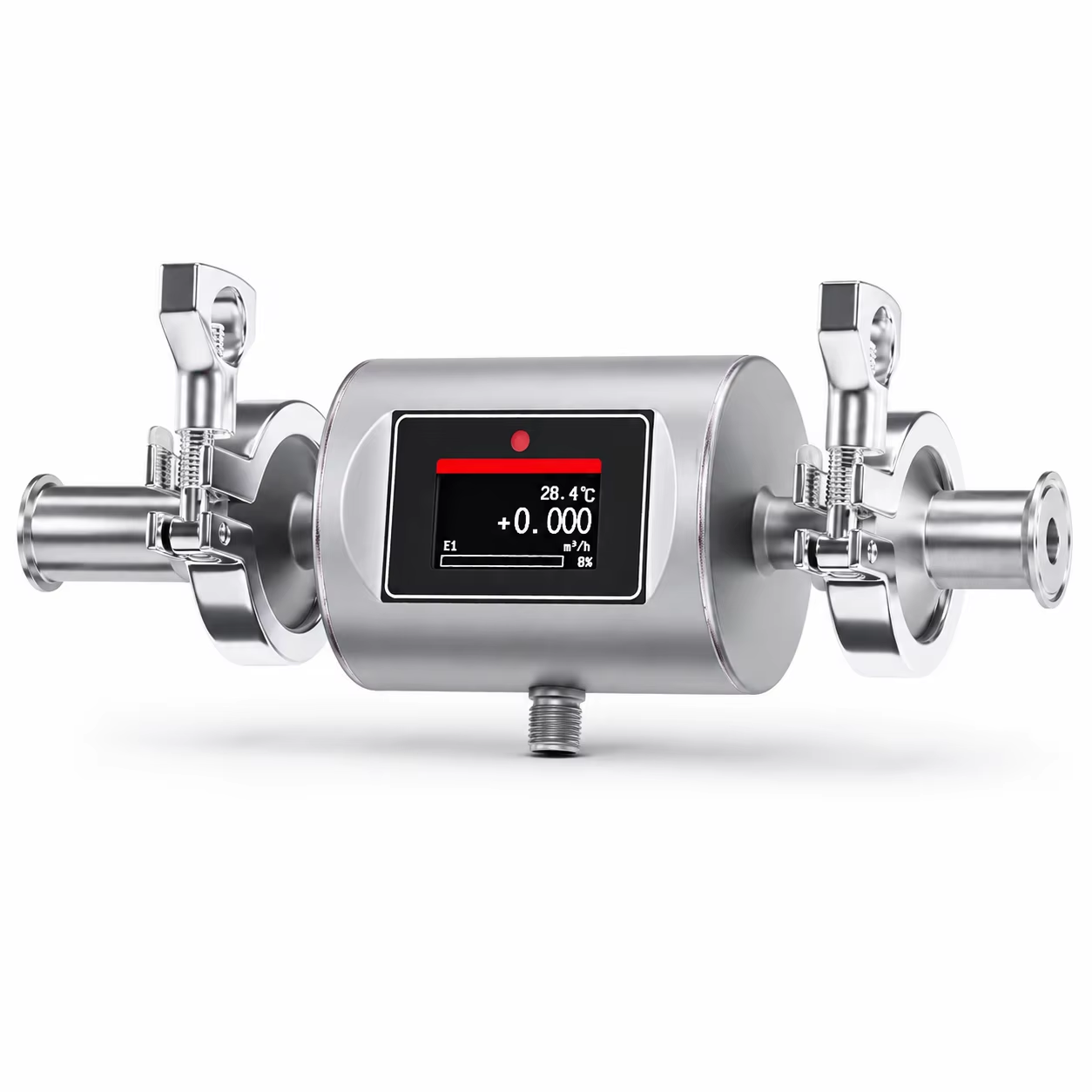
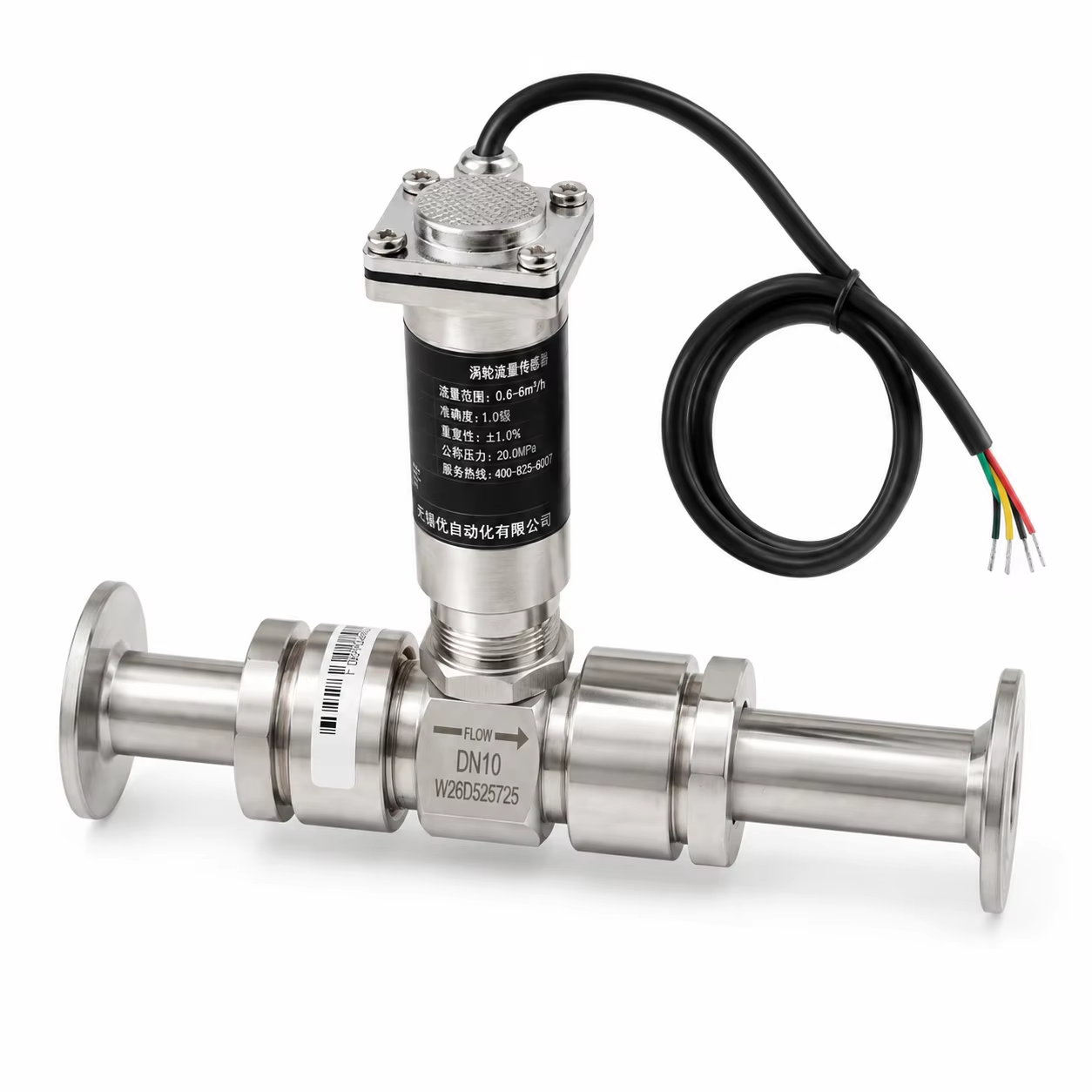
A manifold for AI server cooling is designed to distribute coolant across multiple liquid-cooling branches serving CPUs, GPUs, or dedicated AI accelerators. It can form the connection point between a coolant distribution unit, rack cooling loop, and individual server cooling circuits. Depending on the application, the assembly can include supply and return headers, multiple outlet ports, isolation valves, temperature or pressure sensors, quick disconnect couplings, and compatible fittings. Key design parameters include the number of branches, port size, coolant type, required flow rate, operating pressure, temperature range, pressure drop, material compatibility, and available installation space. For AI servers with several GPUs, branch arrangement and flow balancing are particularly important because cooling demand can vary between workloads. A properly configured manifold can simplify coolant routing, maintenance, and future system expansion while supporting direct-to-chip liquid cooling architectures.

Frequently Asked Questions

What does a manifold do in AI server cooling?

A cooling manifold distributes coolant from a primary cooling loop to multiple AI server or GPU branches and collects the return fluid. It helps organize complex liquid connections, balance flow paths, and simplify maintenance. The configuration can be customized according to server quantity, cooling architecture, port requirements, and rack layout.
Yes. A manifold can be configured with multiple supply and return branches for several GPU cold plates or cooling blocks. Branch quantity, flow requirements, pressure drop, and connection specifications should be considered when designing the system. Proper flow balancing helps provide consistent coolant delivery across parallel GPU cooling circuits.
An AI cooling manifold can connect to coolant distribution units, pumps, hoses, quick disconnect couplings, cold plates, GPU cooling blocks, and rack-level cooling loops. Optional valves and sensors can also be integrated for branch isolation and operating-condition monitoring. Connection types depend on the complete cooling system design.
Selection depends on the number of cooling branches, required coolant flow, operating pressure, fluid temperature, port configuration, material compatibility, installation space, and maintenance requirements. The thermal load of the connected CPUs or GPUs should also be considered. These parameters help determine the appropriate manifold size and internal flow arrangement.
Yes. A manifold can be integrated into direct-to-chip cooling systems that use cold plates on CPUs, GPUs, or AI accelerators. It distributes coolant to the chip-level cooling components and returns warmed fluid to the cooling loop. This makes it suitable for high-density AI servers and HPC infrastructure.

Related article

Connecting the World, Powering the Future

21

May

Connecting the World, Powering the Future

GLGW delivers high-quality cable solutions that keep the world connected. Built on trust and driven by innovation, our products provide reliable, efficient connectivity for industries, businesses, and communities. Experience the power of seamless connections and discover how GLGW is shaping a connected tomorrow.
View More
What Connector Types for Ethernet Patch Cable?

18

Jul

What Connector Types for Ethernet Patch Cable?

Real World Field Challenges with Commercial Network Overhauls During a massive network overhaul for an e-commerce fulfillment hub last year, my deployment team faced an unexpected wave of packet drops and intermittent link drops across the main pac...
View More
Fiber Cable Tensile Strength for Aerial Installation.

24

Aug

Fiber Cable Tensile Strength for Aerial Installation.

Deploying optical fiber cables in aerial spans across long distances—such as utility poles over valleys, mountain ridges, and expansive rural infrastructure—exposes the cable assembly to continuous mechanical, gravitational, and environ...
View More
Shielded structure improves anti-interference of data cables.

11

Sep

Shielded structure improves anti-interference of data cables.

Shielded Data Cable Explained: How It Prevents EMI and Improves Network Reliability What Is a Shielded Data Cable? A shielded data cable is a type of network cable designed with an additional conductive layer around the internal wires to protect da...
View More

Customer Testimonials

Daniel Morgan

“The manifold simplified coolant routing across our multi-GPU servers. Branch connections were organized clearly, and maintenance became easier during our AI cluster installation.”

Kevin Foster

“We integrated the manifold with our rack cooling system and reduced the complexity of individual hose connections. The modular port arrangement also helped during server expansion.”

Get a Free Quote

Our representative will contact you soon.
Email
Mobile/WhatsApp
Name
Company Name
Message
0/1000
Balanced Coolant Distribution for AI GPUs

Balanced Coolant Distribution for AI GPUs

AI servers can contain multiple GPUs operating simultaneously under intensive training or inference workloads. A dedicated manifold provides structured coolant distribution between the primary cooling loop and individual GPU branches. Supply ports can be arranged according to the server architecture, while return ports collect warmed coolant before it moves back toward the cooling source. Branch dimensions and flow paths can be designed around the thermal requirements of connected devices. Optional valves, sensors, and quick disconnects provide additional control over individual circuits. This organized approach can reduce unnecessary hose routing and make the liquid cooling architecture easier to inspect. It is particularly useful for dense GPU servers where multiple parallel cooling connections must operate within limited installation space.
Flexible Integration With AI Liquid Cooling Systems

Flexible Integration With AI Liquid Cooling Systems

A manifold can serve as an interface between different components in an AI server cooling system. Depending on the architecture, it may connect a coolant distribution unit with rack-level hoses, server cooling plates, GPU blocks, or direct-to-chip loops. Configurable port positions and connection interfaces allow the assembly to accommodate different rack layouts and server designs. Quick disconnect couplings can simplify equipment replacement, while isolation valves can help separate individual branches during service. Material selection should consider coolant chemistry, operating temperature, pressure, and long-term fluid compatibility. This flexibility allows the manifold to be incorporated into new AI infrastructure or used when upgrading existing cooling systems for higher-density computing equipment.
Scalable Cooling Architecture for AI Data Centers

Scalable Cooling Architecture for AI Data Centers

As AI infrastructure expands, cooling systems need to accommodate additional servers and accelerator nodes without creating unnecessary routing complexity. A configurable manifold can provide multiple branch connections for scalable server deployment, with the number and arrangement of ports adapted to the required rack architecture. Additional monitoring points can be incorporated for flow, pressure, or temperature management. The manifold may work alongside a CDU, heat exchanger, pump, and facility cooling loop to create a complete liquid cooling system. For phased data center expansion, modular distribution can make it easier to add new AI servers while keeping supply and return connections organized. This approach supports structured thermal infrastructure for AI training, inference, and high-performance computing environments.

Get a Free Quote

Our representative will contact you soon.
Email
Mobile/WhatsApp
Name
Company Name
Message
0/1000