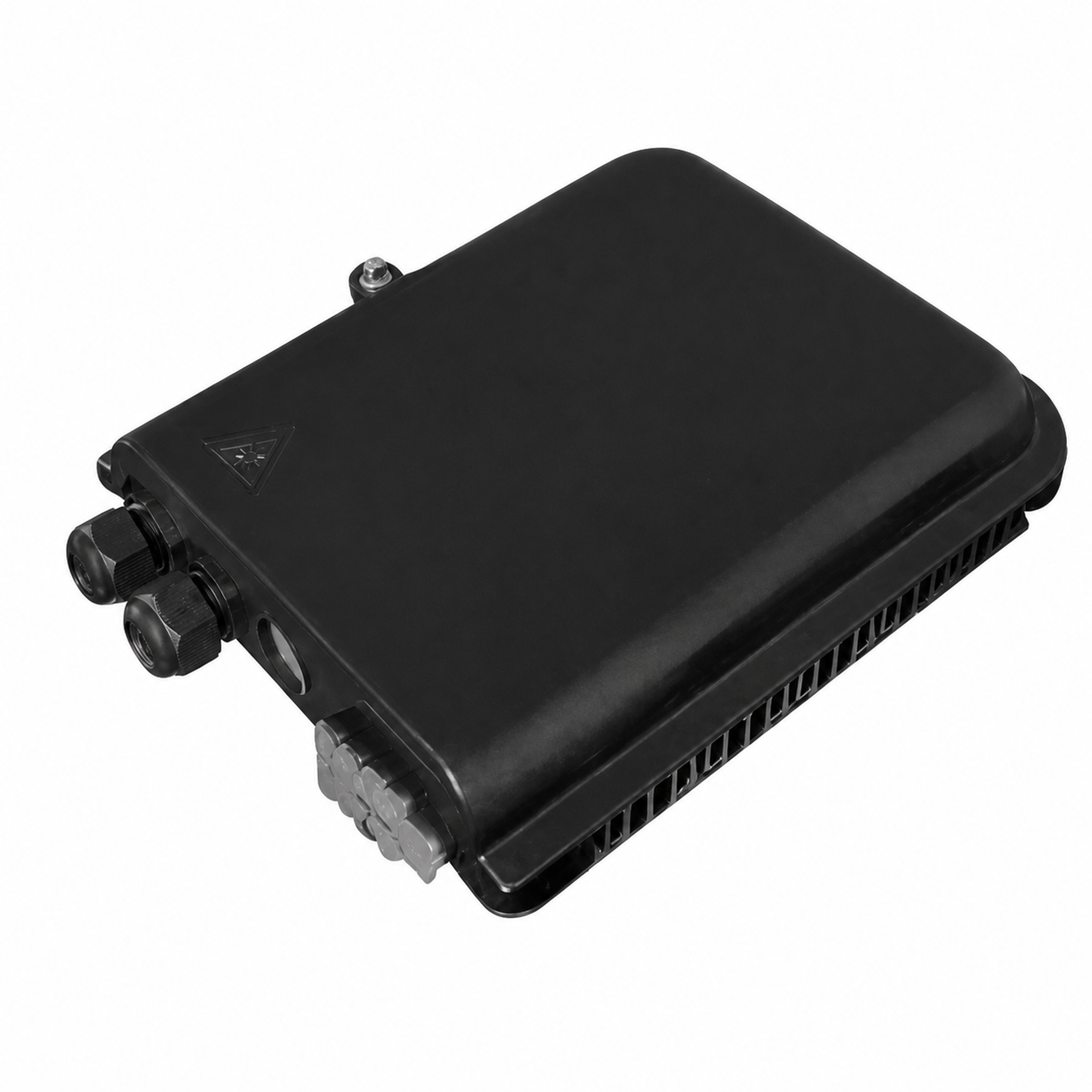
Fiber Distribution Unit: High-Density FTTH & Data Center Solutions

All Categories
Flexible Fiber Distribution Unit for Efficient Fiber Routing, Connection, and Network Management

Flexible Fiber Distribution Unit for Efficient Fiber Routing, Connection, and Network Management

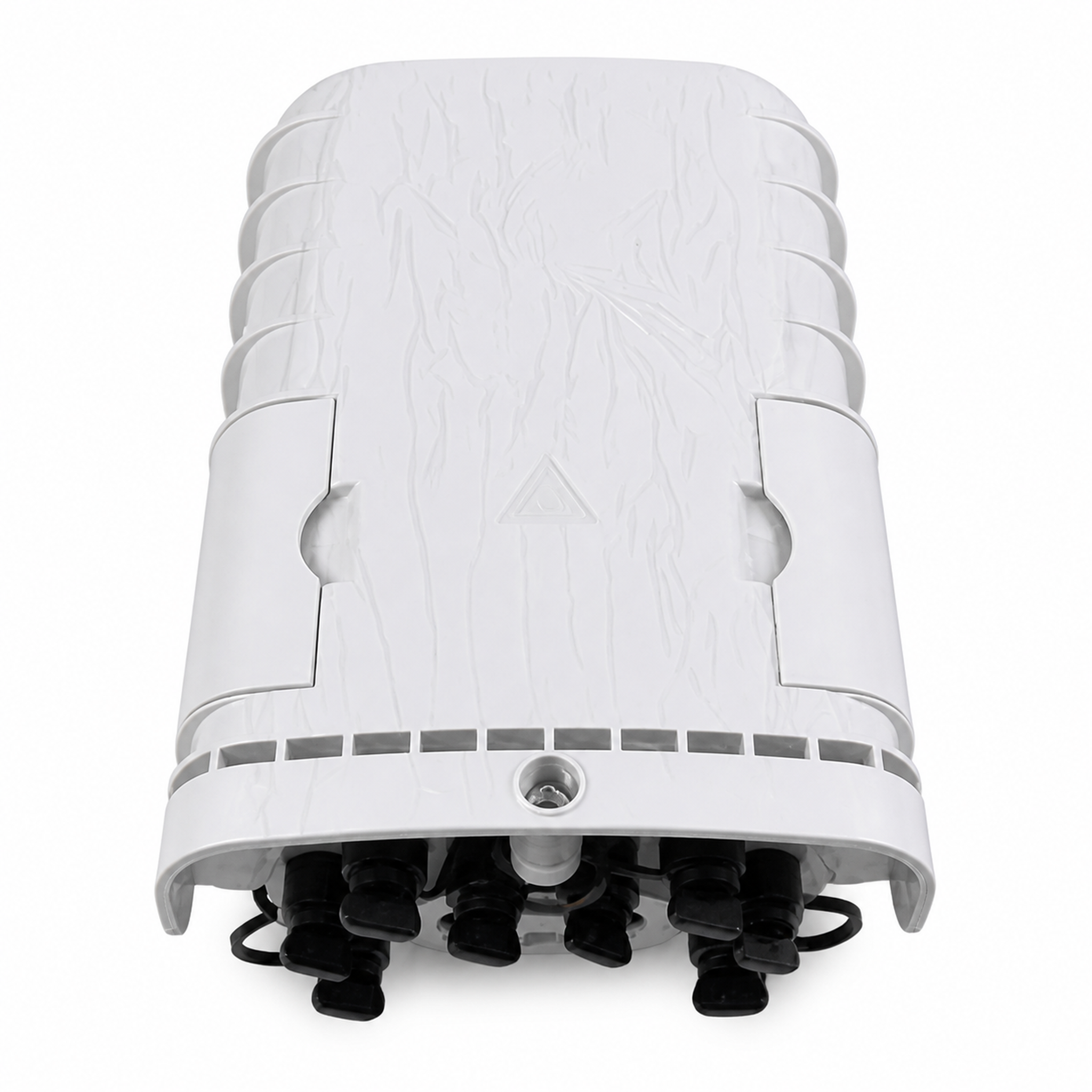
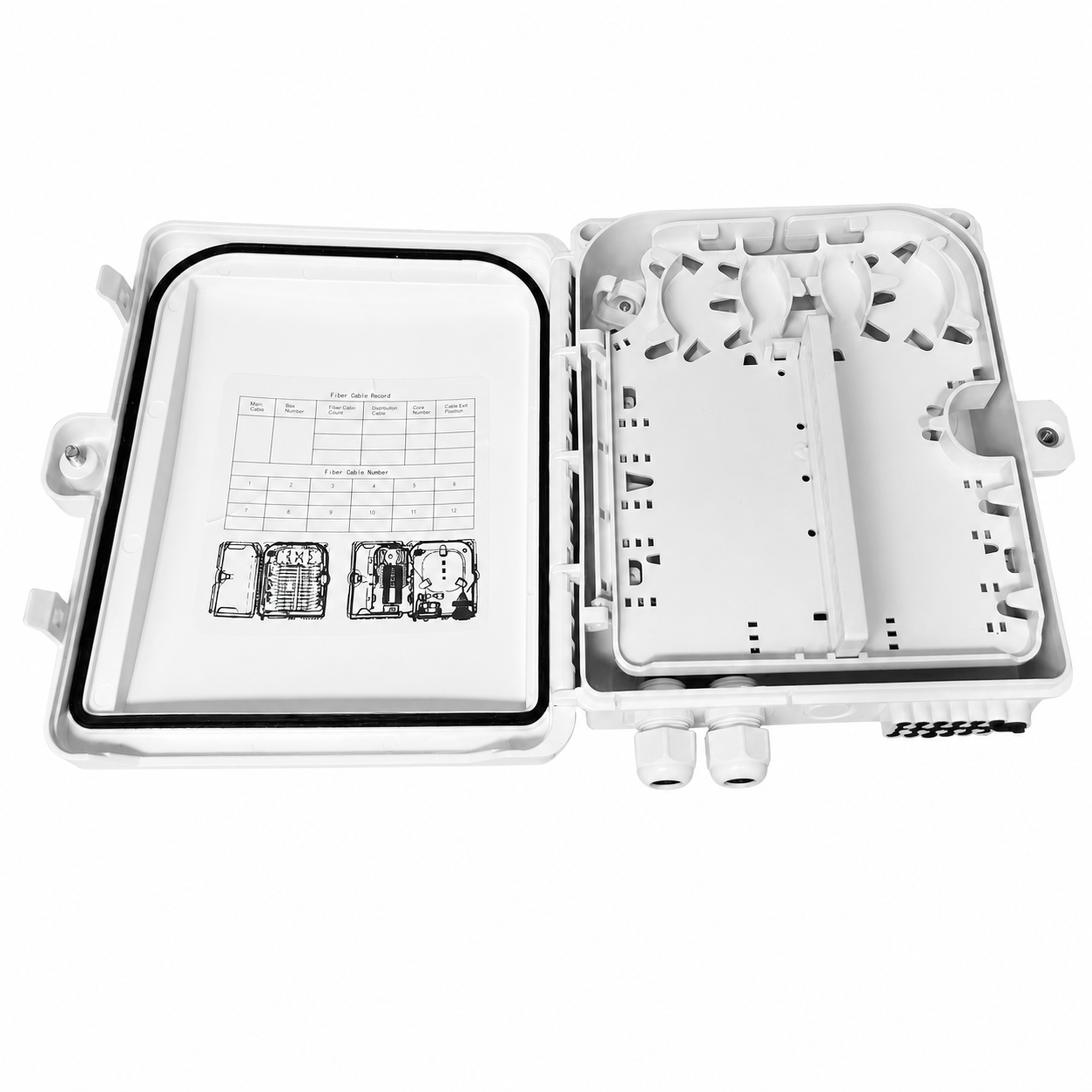
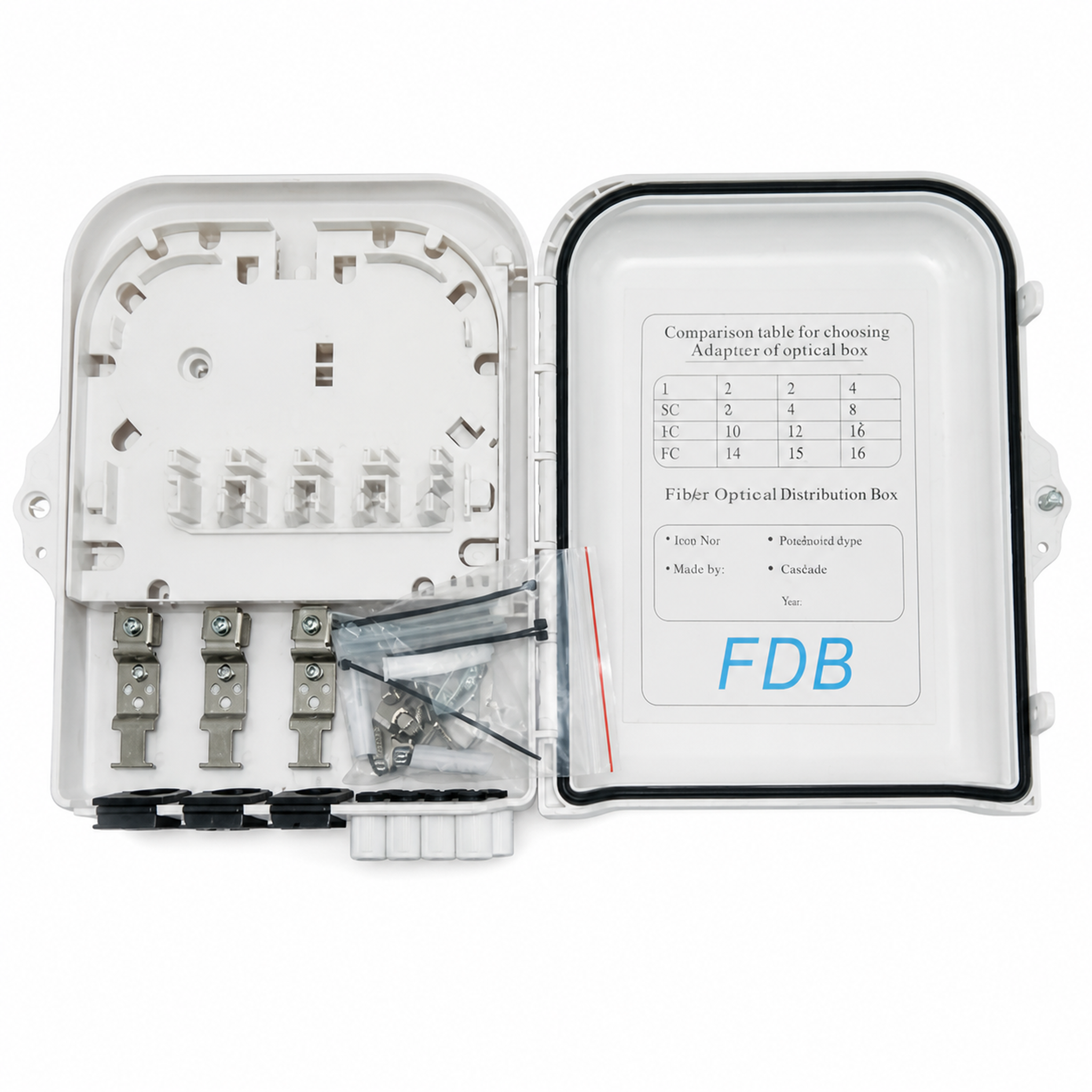
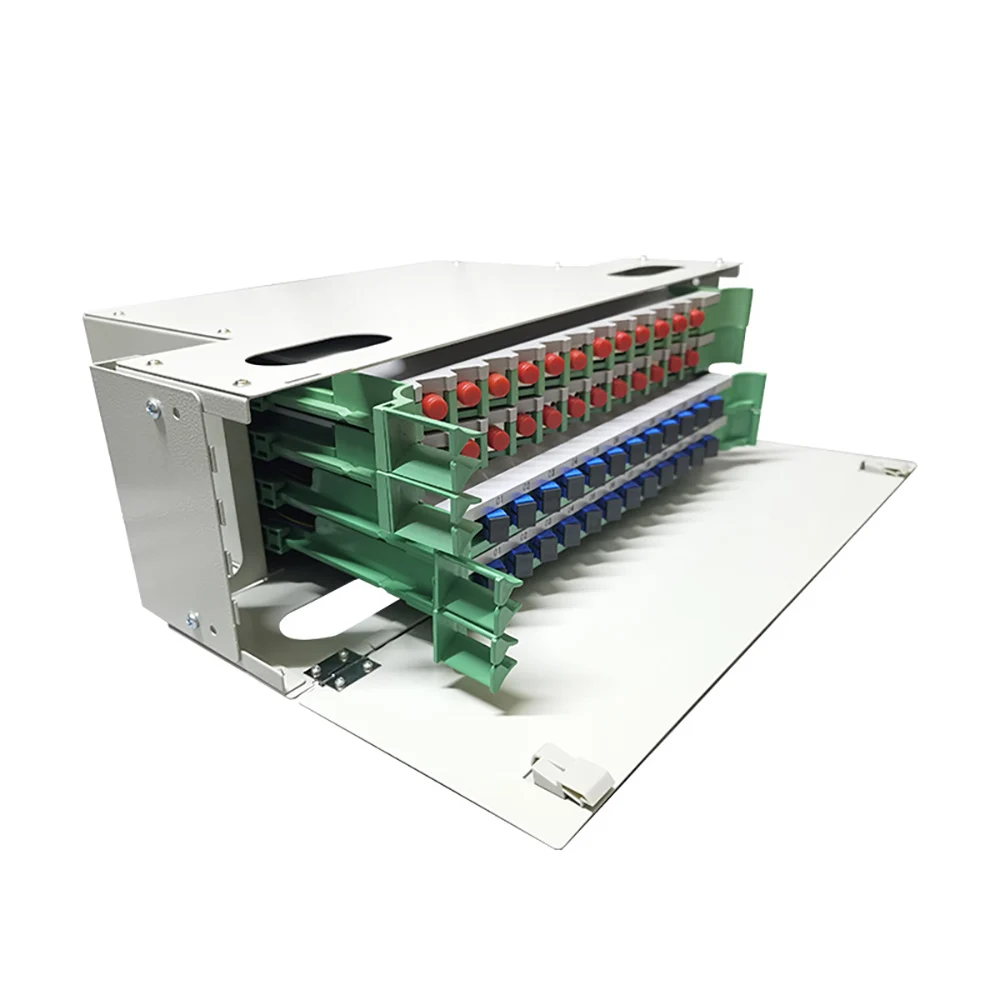
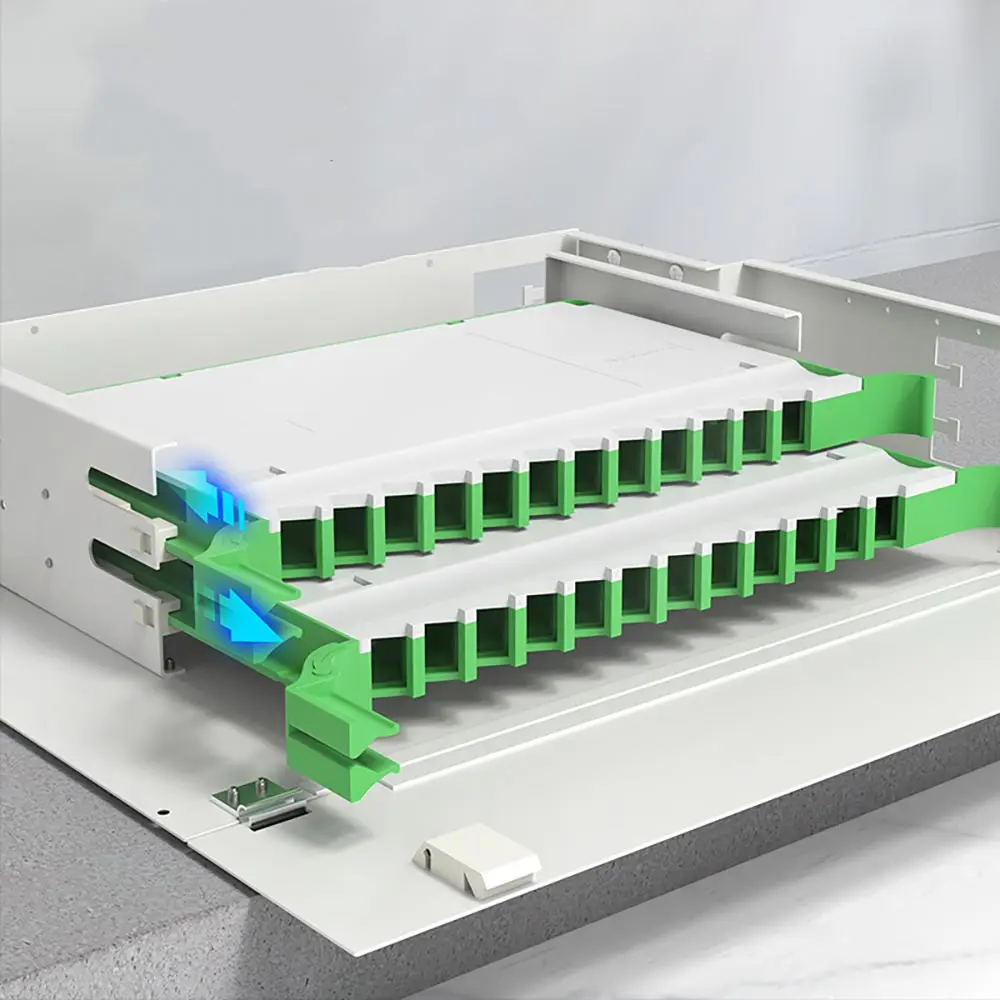
A fiber distribution unit provides a structured solution for organizing, terminating, and distributing optical fibers within telecom, data center, enterprise, and access network environments. It can centralize fiber connections while helping technicians manage patch cords, adapters, splice points, and incoming or outgoing cables in an orderly layout. Depending on the application, the unit can be configured for different fiber counts, connector types, and installation arrangements. This makes it suitable for backbone connections, equipment rooms, FTTH infrastructure, and centralized fiber management points. A well-planned fiber distribution unit can reduce cable congestion, improve connection visibility, and simplify routine maintenance. It also provides a practical foundation for network expansion by allowing additional fiber connections to be organized without significantly disrupting existing infrastructure.
Get A Quote

Case Study

High-Density Data Center Connections

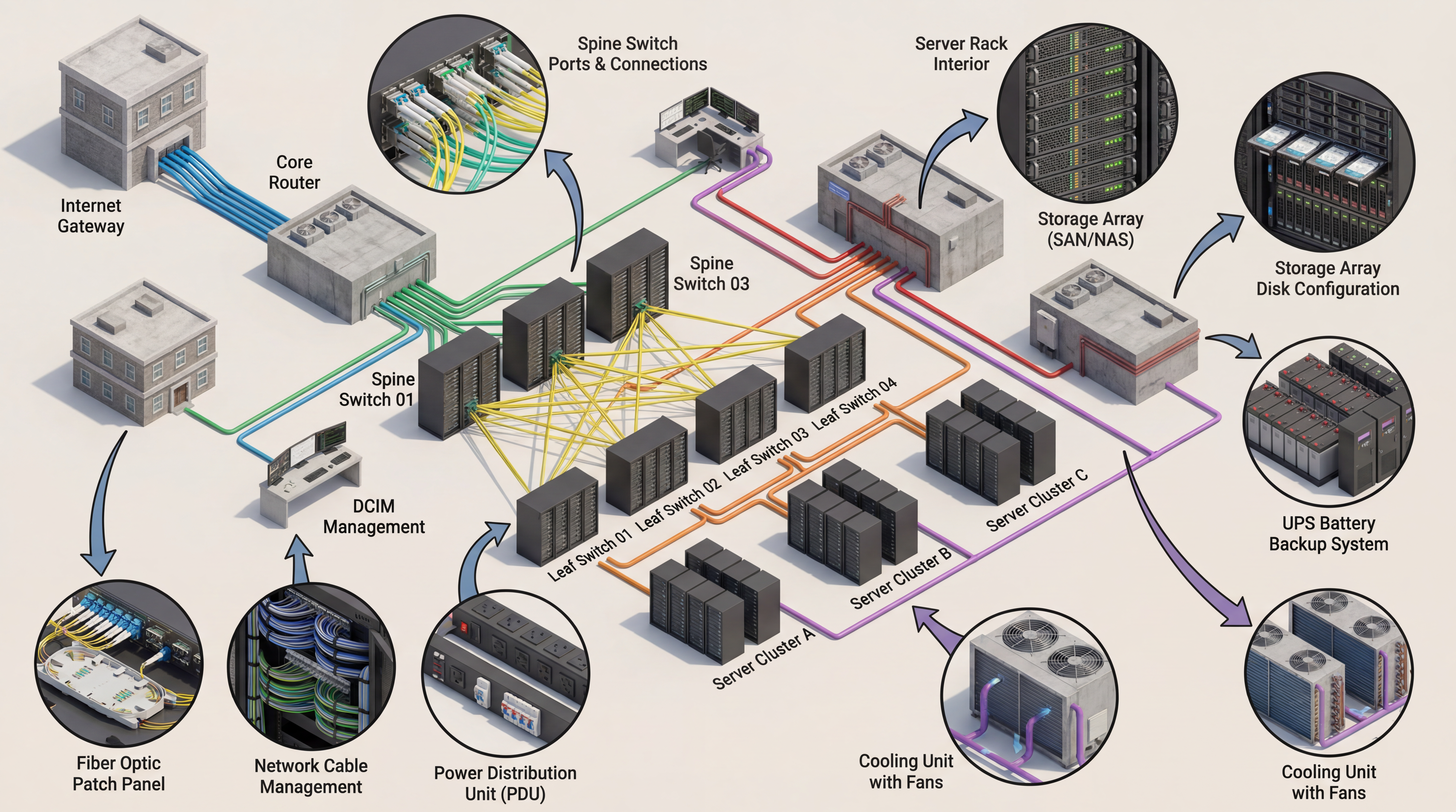
In a data center environment, a fiber distribution unit can provide a centralized point for organizing high-density optical connections between switches, servers, patch panels, and backbone infrastructure. Incoming and outgoing fibers can be arranged according to equipment groups, rack positions, or network paths, making individual connections easier to identify. Depending on the installation, the unit can accommodate different adapter and fiber configurations to match the required connection density. Structured fiber routing also helps reduce unnecessary cable congestion around active equipment. When network capacity expands, additional fibers can be integrated into the existing management structure according to available space. This approach supports cleaner rack organization while making routine patching, inspection, troubleshooting, and network upgrades more efficient for technical teams.

Telecom Backbone Fiber Distribution

Telecom backbone networks require organized fiber management at key connection and distribution points. A fiber distribution unit can centralize incoming backbone fibers and outgoing network connections while providing accessible areas for termination, patching, or splicing. Fiber paths can be arranged according to different routes, equipment locations, or service areas, helping technicians identify connections more efficiently. The appropriate configuration depends on fiber count, connector type, cable construction, and installation space. For networks with increasing bandwidth requirements, selecting sufficient capacity from the beginning can simplify future expansion. By providing a defined fiber management point, the unit helps reduce cable congestion and makes maintenance activities more systematic across telecom rooms, equipment facilities, and other backbone infrastructure locations.

Enterprise Network Infrastructure

Enterprise communication networks often combine multiple fiber links between equipment rooms, buildings, and centralized network facilities. A fiber distribution unit can organize these optical connections in a dedicated management location, helping IT and network teams maintain clearer cable identification and routing. Different configurations can be selected for fiber count, connector type, and mounting requirements depending on the network architecture. In a growing enterprise environment, spare capacity can provide room for additional fiber links as new departments, floors, or facilities are connected. Centralized fiber management also makes troubleshooting more convenient because technicians can access defined connection points rather than working through unorganized cable bundles. This supports a cleaner infrastructure and more manageable long-term network operation.

Related products

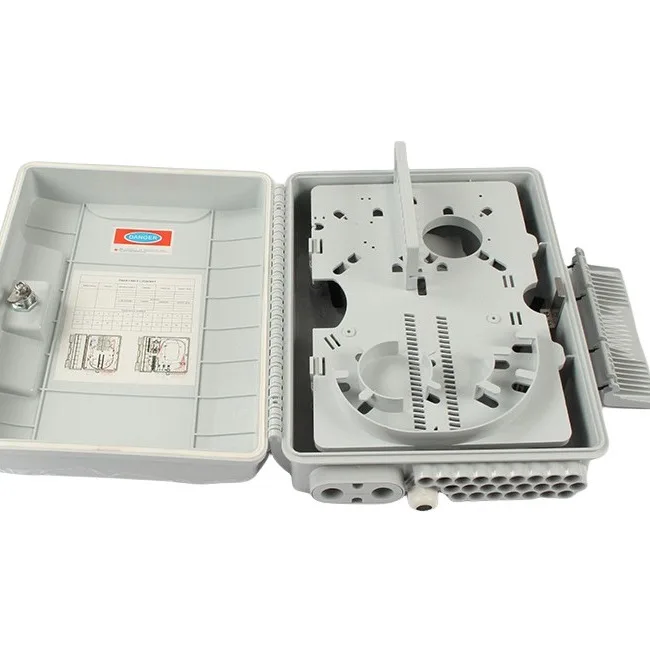
A fiber distribution unit is used to organize, terminate, and distribute optical fibers at centralized points within communication networks. It provides a structured location for managing fiber cables, adapters, patch connections, and splice points according to the selected configuration. This makes it suitable for data centers, telecom facilities, enterprise networks, backbone infrastructure, and FTTH-related applications. The unit can be selected according to fiber capacity, connector type, cable routing requirements, installation method, and available equipment space. For high-density environments, organized internal management helps technicians identify individual connections and perform patching or maintenance more efficiently. In networks expecting future expansion, additional capacity can also be considered during the initial planning stage. A well-configured fiber distribution unit helps separate different fiber routes, reduce cable congestion, and maintain clearer connection paths. Whether used for centralized backbone distribution or localized equipment-room management, it provides a practical foundation for structured optical fiber infrastructure and long-term network expansion.

Frequently Asked Questions

What is a fiber distribution unit?

A fiber distribution unit is a network component used to organize, terminate, patch, and distribute optical fiber connections. It provides a centralized management point for fiber cables, adapters, splice points, and patching connections according to the network design.
They are commonly used in data centers, telecom facilities, enterprise networks, equipment rooms, backbone infrastructure, and fiber access networks. The specific configuration depends on fiber density, connection requirements, and available installation space.
Consider fiber capacity, connector type, splice requirements, cable diameter, mounting method, internal routing, and available installation space. Future expansion should also be considered if additional fiber connections are expected as the network grows.
Yes. Fiber distribution units can be configured for high-density applications depending on their physical design and available connection capacity. Proper cable routing and connector organization are important for maintaining accessibility and reducing congestion in dense installations.
It provides a centralized and organized connection point, making fiber paths easier to identify and access. Technicians can perform patching, inspection, troubleshooting, and connection changes more efficiently without unnecessarily disturbing unrelated fiber cables.

Related article

The Core of Data Centre Infrastructure – A Professional Analysis of GLGW Network Cabinets

21

May

The Core of Data Centre Infrastructure – A Professional Analysis of GLGW Network Cabinets

View More
Intelligent Cabling Solutions for Future Networks

21

May

Intelligent Cabling Solutions for Future Networks

View More
UTP LAN Cable Application for Office Local Networks.

04

Aug

UTP LAN Cable Application for Office Local Networks.

Implementing a structured Unshielded Twisted Pair (UTP) Local Area Network (LAN) cabling infrastructure is the cornerstone of any modern commercial workspace. While wireless technologies (Wi-Fi) provide mobility, high-density office environments wi...
View More
LAN Cable Quality Standards for Enterprise Local Area Networks.

17

Sep

LAN Cable Quality Standards for Enterprise Local Area Networks.

Enterprise LAN Cable Selection Guide: Categories, Shielding, Standards, and Performance Why Choosing the Right LAN Cable Matters for Enterprise Networks A reliable LAN cable is the foundation of modern enterprise network infrastructure. Although wi...
View More

Customer Testimonials

Data Center Engineer

“Our fiber connections became much easier to identify after organizing them through a dedicated distribution unit. The structured layout reduced patching time and made routine maintenance more straightforward.”

Telecom Network Manager

“The unit gave our telecom team a centralized location for managing multiple fiber routes. Spare capacity also allowed us to add new connections without changing the existing layout.”

Get a Free Quote

Our representative will contact you soon.
Email
Mobile/WhatsApp
Name
Company Name
Message
0/1000
Centralized Fiber Connection Management

Centralized Fiber Connection Management

A fiber distribution unit creates a defined management point for optical connections, helping organize incoming and outgoing fibers within a structured environment. Instead of routing multiple cables directly between equipment and different network areas, technicians can use the unit to establish clearer connection paths and access points. This is particularly valuable in data centers, telecom rooms, and enterprise facilities where fiber density can increase as network capacity grows. Depending on the configuration, adapters, patch connections, and splice points can be arranged according to the network architecture. Centralized management makes individual fibers easier to identify and can reduce unnecessary cable handling during maintenance. It also provides a more systematic foundation for future connection changes and network expansion.
Flexible Configurations for Different Networks

Flexible Configurations for Different Networks

Different optical networks require different fiber capacities, connector arrangements, and installation methods. A fiber distribution unit can be selected according to the number of required connections, available rack or cabinet space, cable specifications, and network architecture. Smaller installations may prioritize compact organization, while data centers and backbone facilities may require higher connection density and more structured cable routing. Connector types and splice requirements should also be considered before selecting the configuration. For networks that are expected to expand, additional capacity can be planned from the beginning to accommodate future fibers. This flexible approach allows the distribution unit to support different applications without forcing every project into the same physical configuration or connection structure.
Simplified Maintenance and Future Expansion

Simplified Maintenance and Future Expansion

Organized fiber management can make routine maintenance and network upgrades more efficient. A fiber distribution unit provides technicians with defined connection areas where fibers can be identified, patched, inspected, or modified according to the network plan. Clear routing helps reduce cable congestion and minimizes unnecessary movement of adjacent connections during service work. When new equipment, racks, buildings, or network segments are added, available capacity can provide space for additional fiber links. This is particularly useful for enterprises and telecom operators managing infrastructure that develops over several stages. By combining accessible connection points with structured internal organization, the unit helps create a more manageable optical infrastructure that can accommodate maintenance activities and gradual network growth over the long term.

Get a Free Quote

Our representative will contact you soon.
Email
Mobile/WhatsApp
Name
Company Name
Message
0/1000