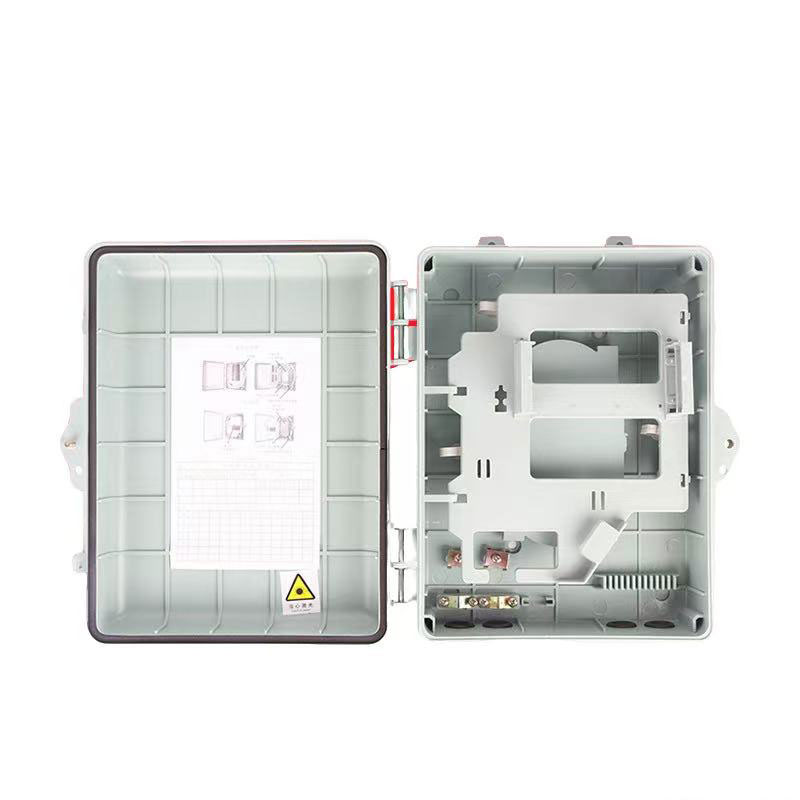
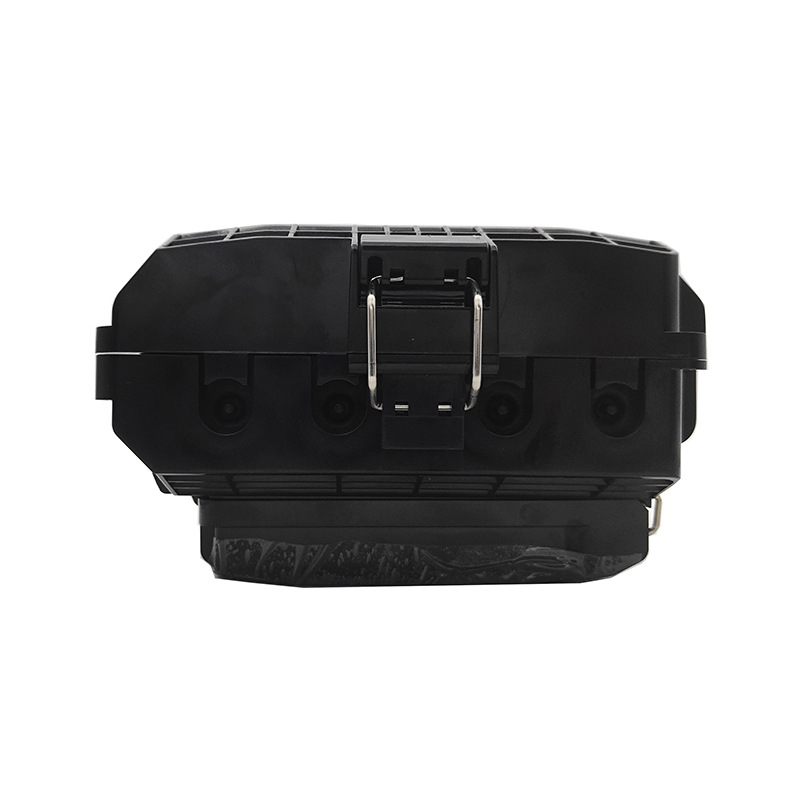
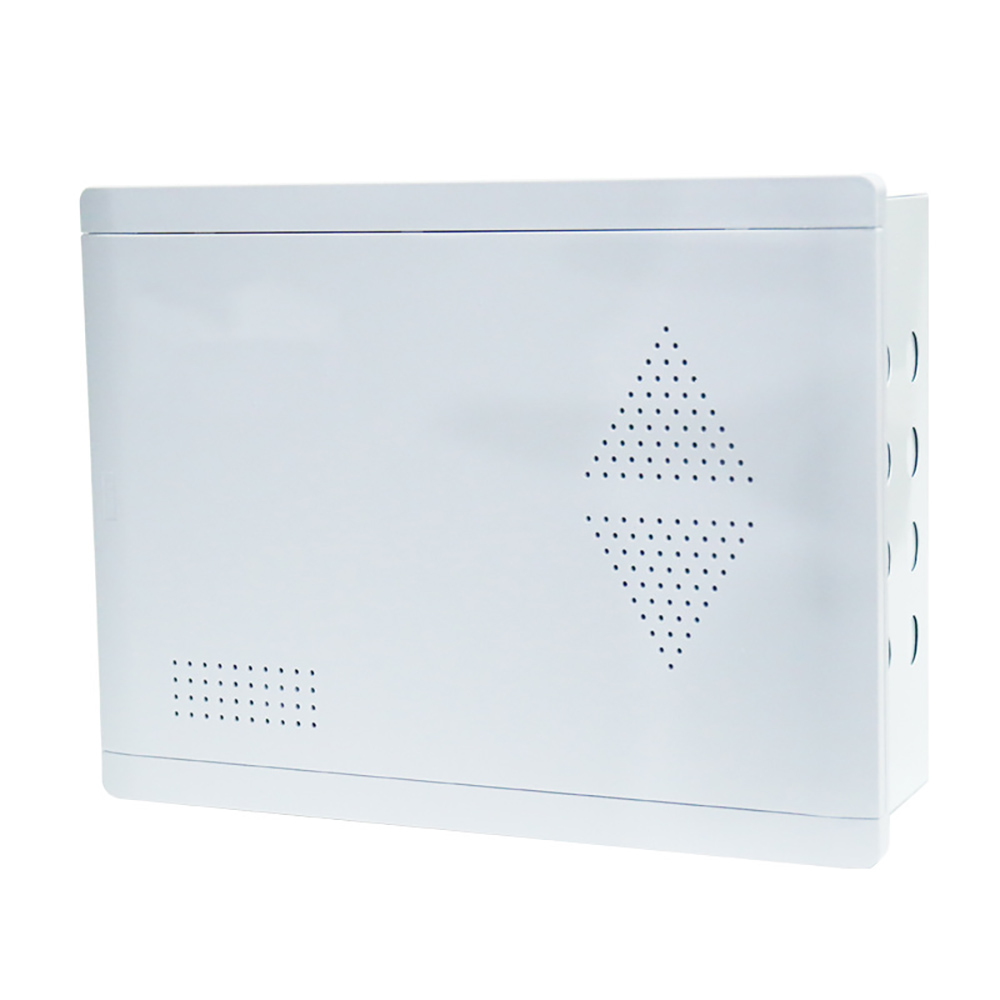
Fiber Distribution Box (FDB) for FTTH & Telecom Networks

All Categories
Structured Fiber Distribution and Termination

Structured Fiber Distribution and Termination

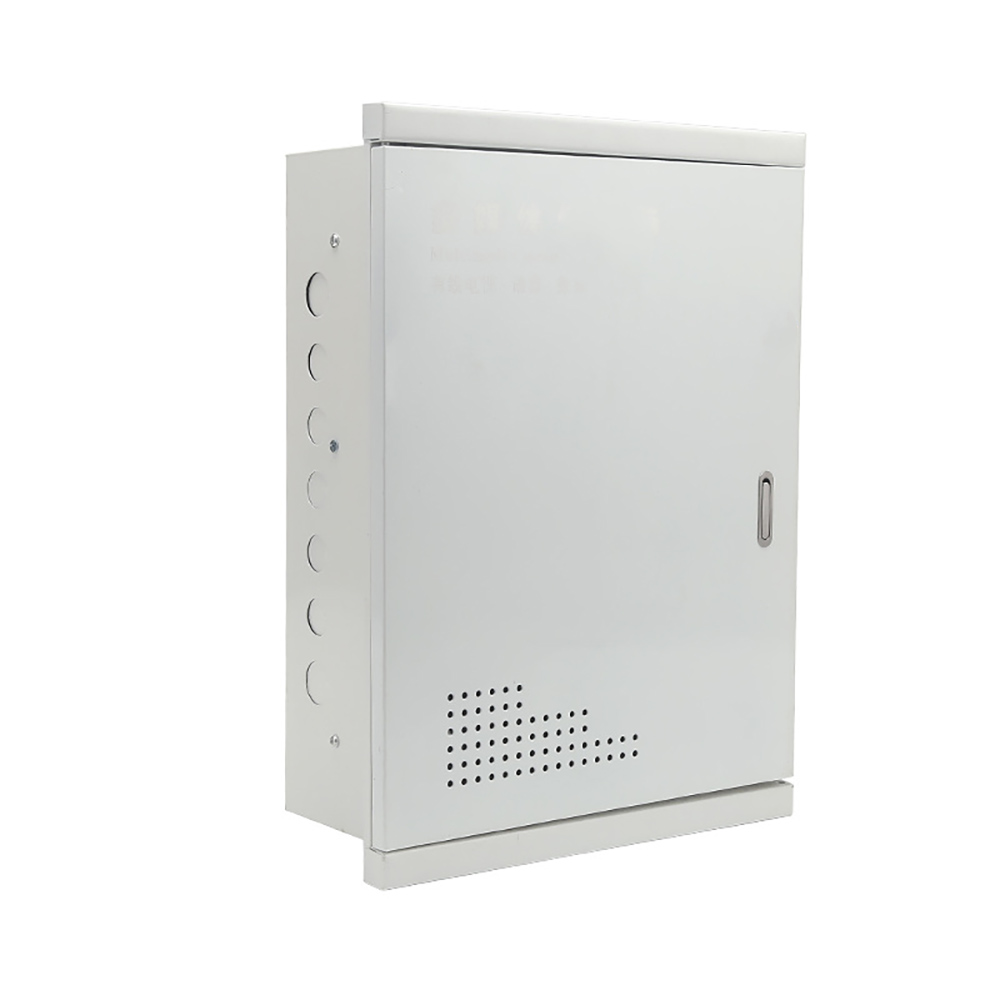
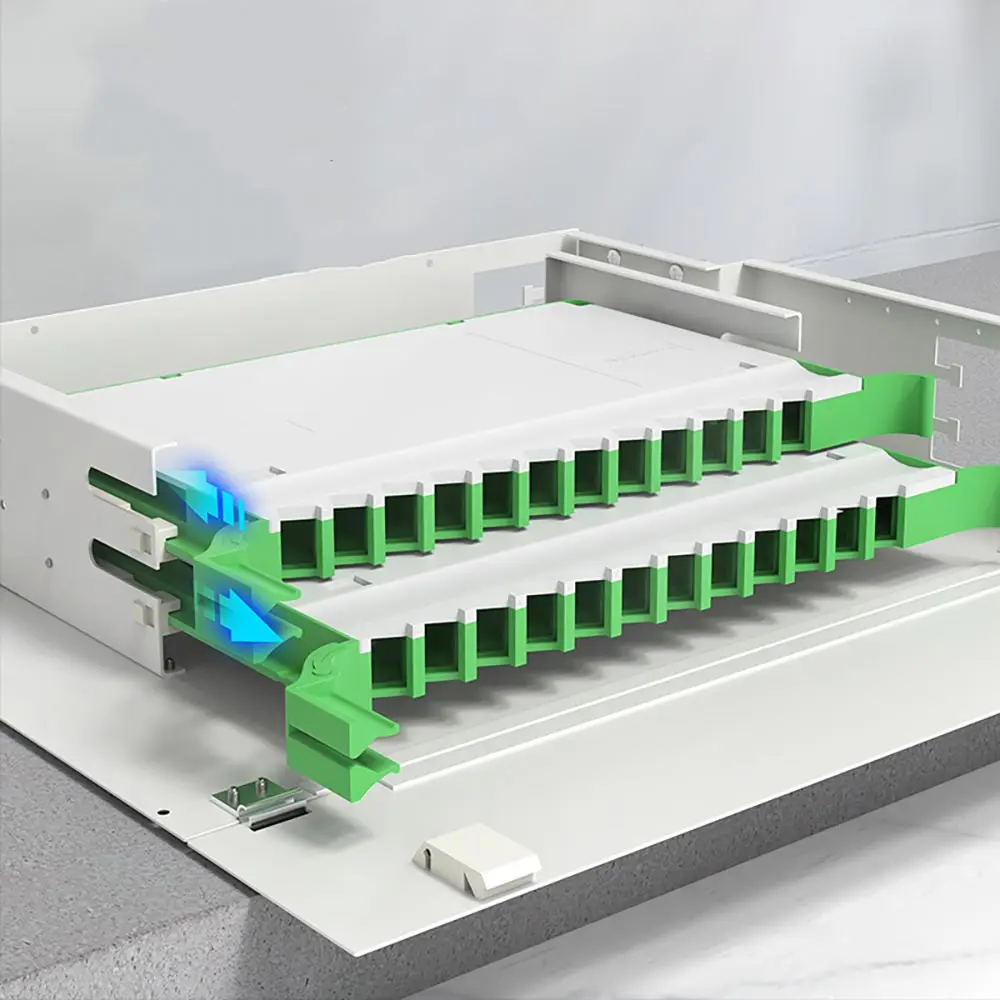
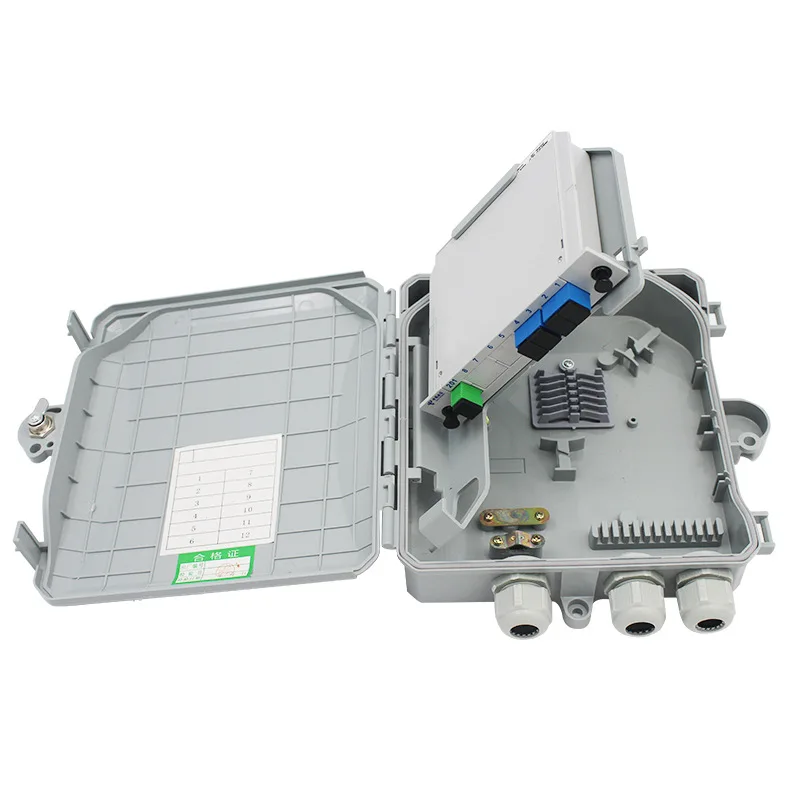
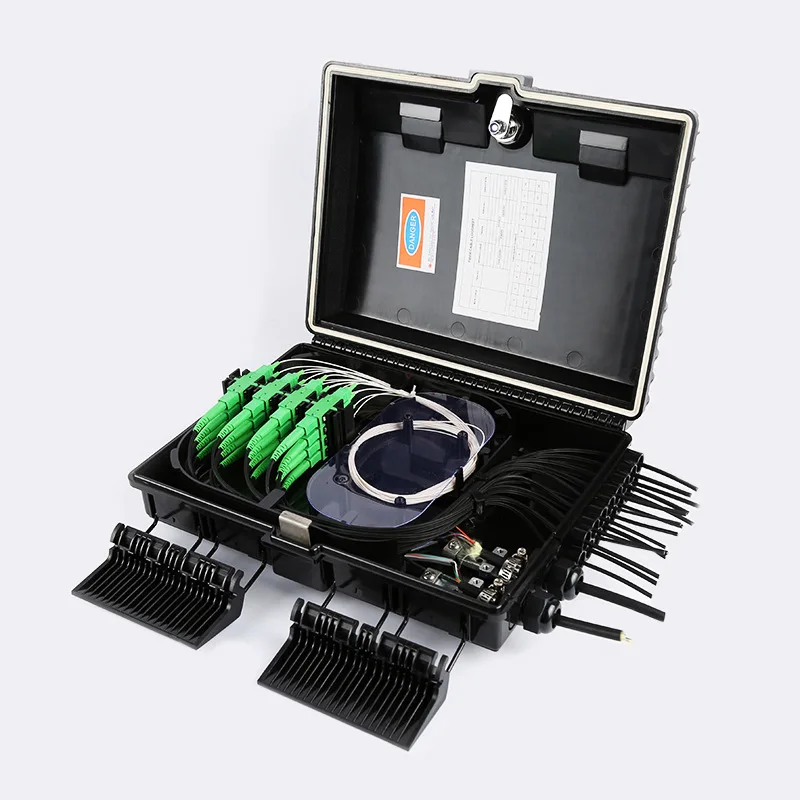
A fiber distribution box FDB provides a centralized enclosure for terminating, splicing, routing, and distributing optical fibers in access and communication networks. It can be configured with different fiber capacities, adapter interfaces, splice arrangements, and cable entry options according to project requirements. The enclosure helps organize feeder, distribution, and subscriber fibers while protecting connections from unnecessary movement and physical exposure. Depending on the application, an FDB can support FTTH, FTTB, telecom, enterprise, and building-level fiber deployments. Organized internal routing also makes individual fiber paths easier to identify during installation, testing, and maintenance. For network contractors, distributors, and system integrators, a suitable fiber distribution box FDB provides a practical foundation for structured fiber deployment and future network expansion.
Get A Quote

Case Study

Residential Subscriber Connections

A fiber distribution box FDB can provide a centralized point for distributing feeder fiber to multiple subscriber connections in residential FTTH networks. The configuration can include suitable adapter panels, splice capacity, and cable routing according to the number of connections required. Internal fiber organization helps technicians separate incoming and outgoing cables while maintaining appropriate bend-radius control. The FDB can be positioned at building entrances, floor distribution points, cabinets, or other suitable locations. During subscriber activation, technicians can access individual fiber connections without disturbing unrelated routes. Spare capacity can also be considered during the initial deployment to make future subscriber additions easier to manage.

Telecom Access Distribution

Telecom networks can use a fiber distribution box FDB to organize fiber connections between feeder cables, distribution routes, and downstream access points. The box can be configured according to fiber count, connector interface, splice requirements, and cable entry direction. A structured internal layout helps separate different network paths and gives technicians convenient access during testing or maintenance. Depending on the deployment, the FDB can be integrated into cabinets, mounted at distribution points, or installed in other designated network infrastructure. By providing a defined location for fiber termination and distribution, the enclosure can simplify field operations while supporting additional connections as the access network expands.

Building Fiber Infrastructure

For commercial buildings, campuses, and multi-dwelling properties, a fiber distribution box FDB can organize optical connections between building entry points, telecom rooms, and individual network areas. The configuration can accommodate the required fiber capacity, adapter interfaces, splice components, and cable management structure. A centralized FDB makes fiber paths easier to identify and maintain when multiple cables converge at one location. It can also provide a practical transition point between feeder and distribution fibers. When planning a new installation, available capacity can be selected around current requirements and expected growth. This helps create a cleaner fiber infrastructure that remains accessible as network connections increase.

Related products

A fiber distribution box FDB is designed to provide a structured location for optical fiber termination, splicing, patching, and distribution. It can be configured around fiber capacity, connector type, adapter arrangement, splice requirements, cable entry direction, and installation conditions. Inside the enclosure, fibers can be routed and stored in an organized manner to support bend-radius control and reduce cable congestion. The FDB can be used in FTTH, FTTB, telecom, enterprise, campus, and building-level fiber networks. Depending on the application, it can connect incoming feeder fibers with distribution or subscriber cables, organize multiple outgoing fiber routes, or provide a transition point between network sections. A practical configuration also gives technicians easier access for fiber testing, troubleshooting, activation, and maintenance. For network contractors, distributors, and system integrators, the fiber distribution box FDB provides a flexible platform for structured fiber management while allowing capacity to be planned around current connections and future network expansion.

Frequently Asked Questions

What does FDB mean in fiber optic networks?

FDB commonly refers to Fiber Distribution Box. It is an enclosure used to organize and manage fiber termination, splicing, patching, and distribution at designated points within FTTH, telecom, and other optical communication networks.
An FDB can provide a centralized point for connecting feeder, distribution, and subscriber fibers. It can support termination, splicing, cable routing, and fiber management while making individual connections easier to access during installation and maintenance.
Yes. A suitable FDB configuration can include splice trays or dedicated splice management areas. The required splice capacity should be selected according to the fiber count and network architecture to keep connections organized.
FDBs can be used in FTTH distribution points, telecom rooms, cabinets, building entrances, campuses, and other network locations. The mounting configuration should be selected according to the physical installation space and environmental conditions.
Consider fiber capacity, connector interface, adapter type, splice requirements, cable entry method, mounting location, environmental conditions, and future expansion. The enclosure should provide adequate space for organized routing and maintenance.

Related article

Connecting the World, Powering the Future

21

May

Connecting the World, Powering the Future

GLGW delivers high-quality cable solutions that keep the world connected. Built on trust and driven by innovation, our products provide reliable, efficient connectivity for industries, businesses, and communities. Experience the power of seamless connections and discover how GLGW is shaping a connected tomorrow.
View More
Patch cord bending radius affects network performance.

17

Jun

Patch cord bending radius affects network performance.

Real-world cases showing the impact of improper bending on daily network operation Working in the structured cabling and network connectivity sector for over sixteen years, I have witnessed countless network faults traced back to unreasonable bend...
View More
Fiber Optic Cable Deployment for Data Center Backbone.

25

Jun

Fiber Optic Cable Deployment for Data Center Backbone.

Real-world Project Cases Reflecting the Value of Standardized Fiber Optic Cable Deployment With more than sixteen years working in structured cabling and data center infrastructure construction, I have taken charge of dozens of data center backbon...
View More
How to classify data cables by usage scenarios?

14

Jul

How to classify data cables by usage scenarios?

Real World Field Experiences with Multi Environment Network Deployments During a comprehensive network migration for a financial headquarters last spring, our deployment crew encountered major connectivity dropouts across different operational floo...
View More

Customer Testimonials

Eric Thompson

“The FDB helped us centralize feeder and subscriber connections in one location. The internal fiber layout made individual connections easier to identify during installation and later maintenance.”

Jason Harris

“We used the FDB for a residential access project and found the connection layout convenient for technicians. It helped keep splice and distribution fibers organized throughout the installation.”

Get a Free Quote

Our representative will contact you soon.
Email
Mobile/WhatsApp
Name
Company Name
Message
0/1000
Flexible Fiber Capacity

Flexible Fiber Capacity

The fiber distribution box FDB can be configured for different fiber capacity requirements, allowing network contractors to select a suitable arrangement for small access points or larger distribution applications. Fiber count, adapter interfaces, splice capacity, and cable routing can be considered together during configuration. This flexibility helps avoid using the same fixed arrangement for every project. Where subscriber or network growth is expected, additional capacity can be planned during the initial deployment. Proper sizing also helps maintain sufficient internal space for organized fiber storage and routing. By matching the FDB configuration with the actual network structure, installers can establish a practical distribution point that remains manageable as the number of fiber connections increases.
Efficient Fiber Management

Efficient Fiber Management

The FDB provides a defined enclosure for managing feeder, distribution, and subscriber fibers, helping keep multiple connections structured within one location. Internal routing can be arranged to reduce unnecessary crossings and support appropriate bend-radius control around termination and splice areas. Adapter panels and splice components can be positioned according to the network architecture, making individual connections easier to identify during testing and troubleshooting. This organized structure can also reduce unnecessary disturbance to neighboring fibers when service work is required. For FTTH and telecom deployments, effective fiber management helps create a cleaner distribution point while giving technicians convenient access to the connections they need to inspect, modify, or maintain.
Versatile Network Applications

Versatile Network Applications

A fiber distribution box FDB can be adapted to a variety of optical network environments, including FTTH, FTTB, telecom, enterprise, campus, and building-level fiber infrastructure. Configuration options can be considered for fiber capacity, connector interfaces, splice arrangements, cable entry directions, and mounting conditions. The FDB can serve as a transition point between feeder and distribution cables or organize multiple outgoing subscriber routes from a central location. For system integrators and network contractors, this flexibility allows the distribution structure to be matched with different project layouts. Capacity can also be planned around future requirements, helping maintain an organized and accessible fiber network as additional connections are introduced.

Get a Free Quote

Our representative will contact you soon.
Email
Mobile/WhatsApp
Name
Company Name
Message
0/1000