Liquid Cooling Pump Selection Guide for Data Centers & HPC

All Categories
Stable Fluid Circulation for Efficient Heat Transfer

Stable Fluid Circulation for Efficient Heat Transfer

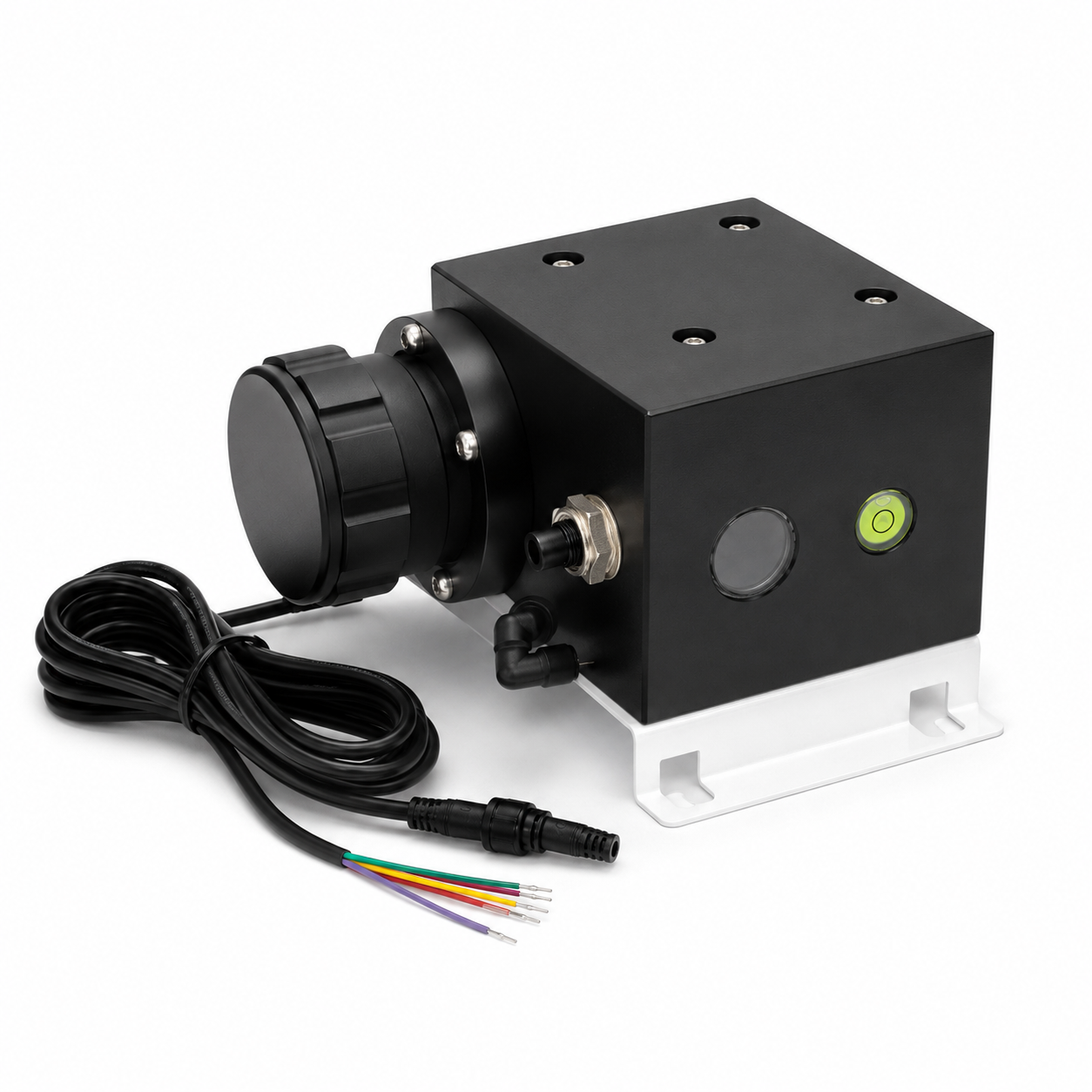
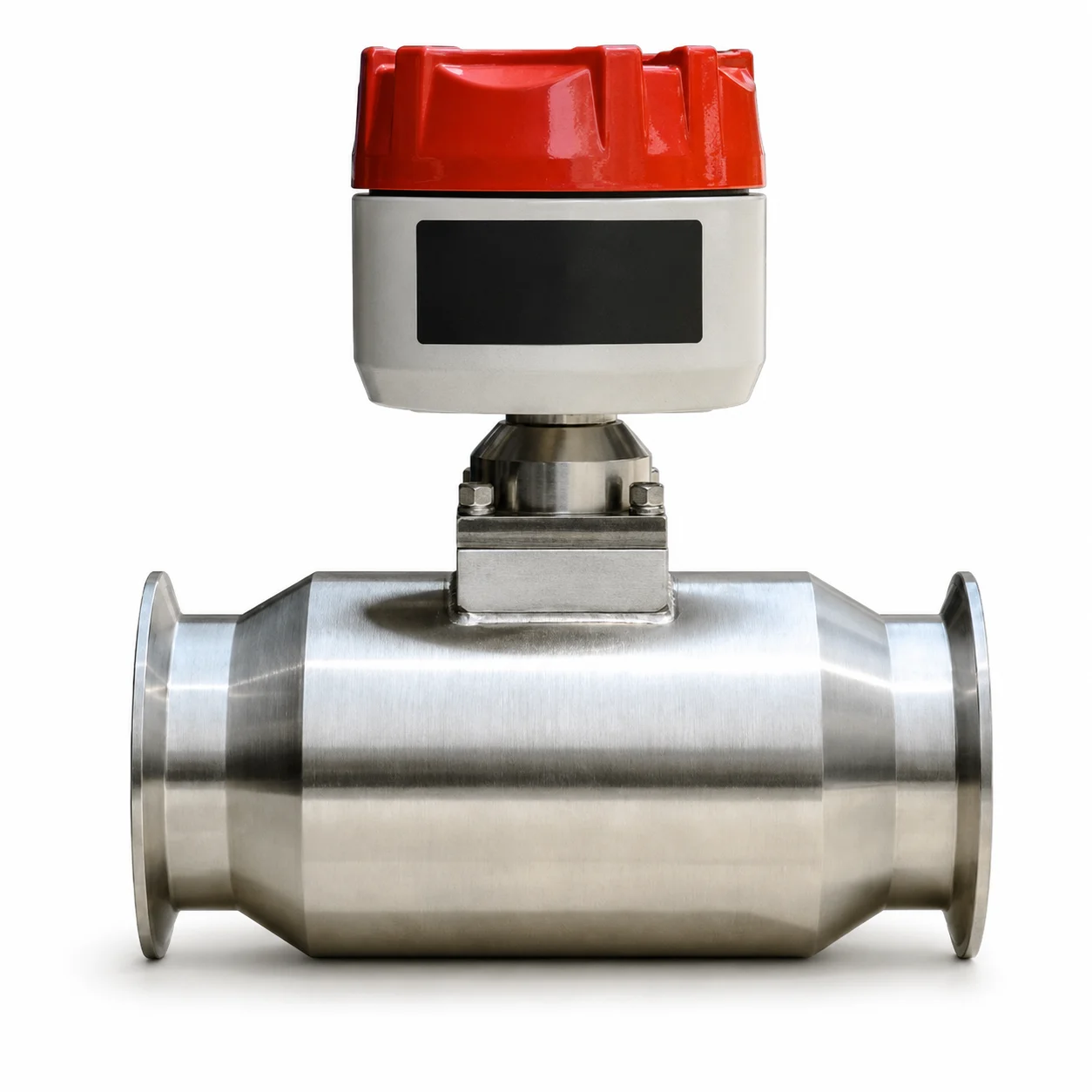
A liquid cooling pump is a key component in thermal management systems, providing controlled fluid circulation between heat-generating equipment and heat rejection components. It can support cooling systems used in data centers, high-performance computing, industrial electronics, power equipment, and specialized machinery. Pump selection should be based on required flow rate, pressure, operating temperature, fluid characteristics, connection size, installation space, and overall system resistance. A properly matched pump helps maintain consistent circulation through cooling plates, heat exchangers, manifolds, and piping. For demanding applications, engineers can also consider operating reliability, control methods, monitoring requirements, noise, power consumption, and maintenance access. When integrated with compatible cooling components, a liquid cooling pump provides the circulation capacity needed to move heat away from critical equipment and support stable system operation.
Get A Quote

Case Study

Data Center Cooling Loop

A high-density data center required consistent liquid circulation for equipment generating concentrated thermal loads. Engineers integrated a liquid cooling pump into a closed-loop system connecting cooling plates, manifolds, and heat exchange equipment. Pump selection was based on the required flow rate, pressure losses across the loop, operating temperature, and planned cooling capacity. Monitoring points were included to track circulation and temperature conditions during operation. The system was also designed with accessible connection points to simplify inspection and maintenance. By matching pump performance to the complete cooling loop rather than selecting the pump separately, the facility established a more coordinated thermal management system for high-performance computing equipment.

Industrial Electronics Cooling

An industrial electronics manufacturer needed stable fluid circulation for equipment operating continuously under demanding thermal conditions. A liquid cooling pump was selected according to the equipment heat load, required flow rate, fluid properties, and piping resistance. The pump supplied circulation through cooling plates and a heat exchanger while maintaining the required movement of cooling fluid through the closed loop. Engineers also considered operating temperature, connection dimensions, and material compatibility during system integration. Temperature and flow monitoring helped maintenance personnel evaluate operating conditions. The resulting cooling architecture provided controlled fluid movement while leaving flexibility for future changes to equipment configuration and thermal requirements.

High-Performance Computing

A high-performance computing installation was upgrading its thermal infrastructure to support equipment with increasing heat output. Engineers introduced liquid cooling pumps to maintain circulation between localized cooling components and the heat rejection system. Each pump configuration was planned around expected flow demand, pressure requirements, operating temperature, and the resistance created by tubing, fittings, and cooling components. The system incorporated monitoring to track temperature and circulation during operation. Pump capacity could also be coordinated with future equipment expansion. This approach created a structured cooling loop capable of supporting demanding computing workloads while providing engineers with greater control over liquid circulation and thermal management.

Related products

A liquid cooling pump circulates cooling fluid through a thermal management system, moving heat away from equipment toward a heat exchanger, radiator, cooling distribution unit, or other heat rejection component. It is commonly used in data centers, high-performance computing systems, industrial electronics, power equipment, and specialized machinery with concentrated thermal loads. Pump selection should consider required flow rate, pressure head, system resistance, fluid temperature, fluid properties, connection dimensions, operating environment, and available installation space. The pump must work effectively with cooling plates, manifolds, tubing, fittings, filters, heat exchangers, and control components throughout the circulation loop. For advanced applications, monitoring and control functions can be incorporated to track pump operation, temperature, pressure, and flow. A properly matched liquid cooling pump helps maintain stable circulation and supports consistent heat transfer across the complete cooling system.
Frequently Asked Questions

What does a liquid cooling pump do?

A liquid cooling pump moves cooling fluid through a thermal management loop. It circulates fluid between heat-generating equipment and heat rejection components such as heat exchangers or cooling distribution units, allowing heat to be transferred away from critical components.
They are used in data centers, high-performance computing, industrial electronics, power equipment, and specialized machinery. Applications generally involve equipment where controlled liquid circulation is required to manage concentrated or continuous thermal loads.
Consider required flow rate, pressure head, system resistance, operating temperature, fluid characteristics, connection size, installation space, and expected thermal load. The pump should be selected according to the complete cooling loop rather than as an isolated component.
Pump compatibility depends on the cooling fluid, temperature range, internal materials, seals, and system design. The selected pump should be evaluated against the fluid's chemical and physical characteristics to help maintain reliable operation throughout the expected service conditions.
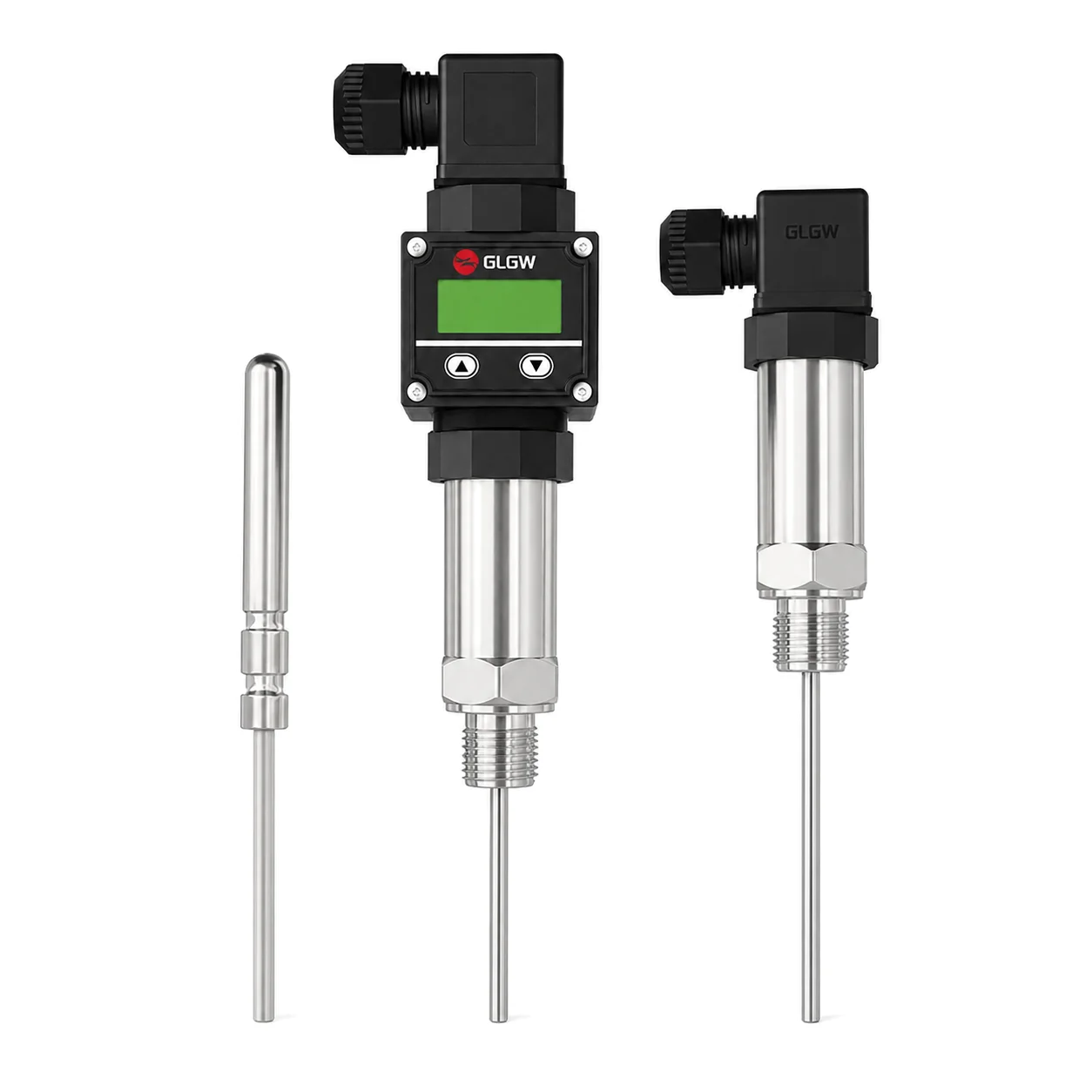
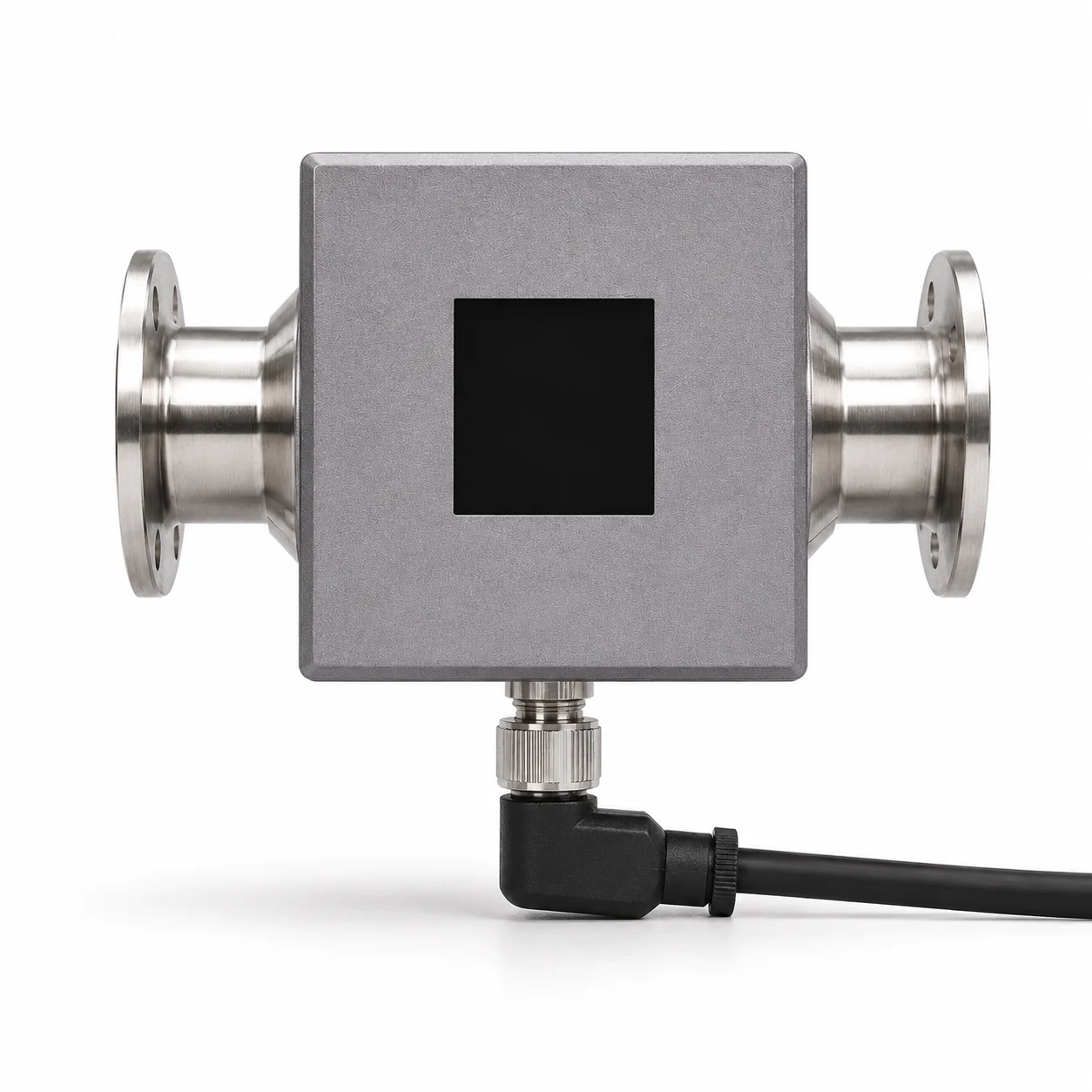
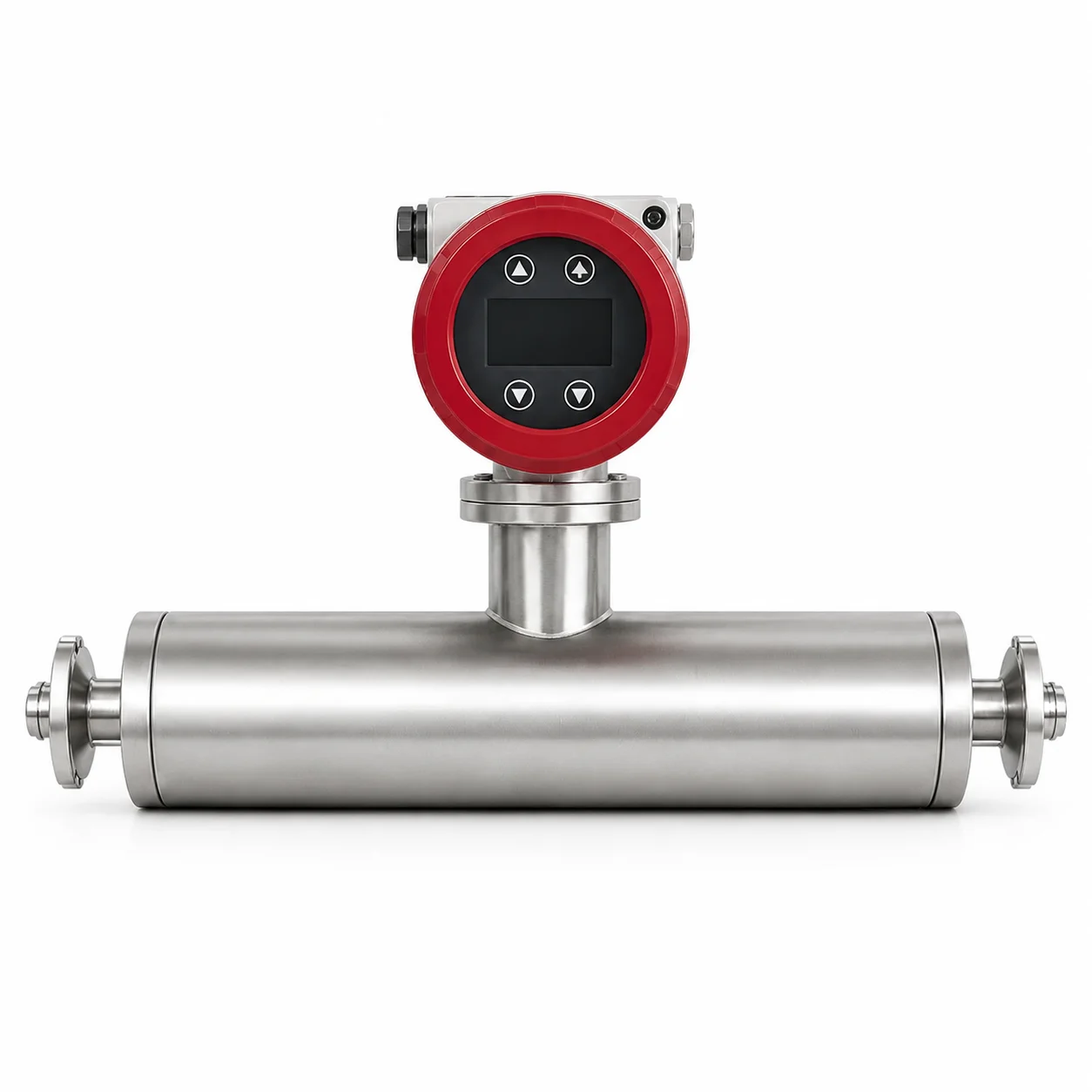
Monitoring can include flow rate, pressure, temperature, pump operating status, and power consumption. Sensors and control systems can provide operating data that helps engineers identify abnormal circulation conditions and plan maintenance before cooling performance is significantly affected.

Related article

2026 Trends: Smart AI Needs Better Cables for Big Computer Buildings and Homes

08

May

2026 Trends: Smart AI Needs Better Cables for Big Computer Buildings and Homes

View More
Intelligent Cabling Solutions for Future Networks

21

May

Intelligent Cabling Solutions for Future Networks

View More
Fiber Optic Cable Deployment for Data Center Backbone.

25

Jun

Fiber Optic Cable Deployment for Data Center Backbone.

Real-world Project Cases Reflecting the Value of Standardized Fiber Optic Cable Deployment With more than sixteen years working in structured cabling and data center infrastructure construction, I have taken charge of dozens of data center backbon...
View More
How to lay bulk cable along pipelines safely?

21

Jul

How to lay bulk cable along pipelines safely?

Real World Field Experiences with Industrial Co Location Routing During an extensive industrial network expansion across a remote coastal oil terminal three summers ago, my installation team faced a massive challenge with electromagnetic interferen...
View More

Customer Testimonials

James Anderson

The liquid cooling pump provided stable circulation for our high-density equipment loop. Flow monitoring made it easier for our engineering team to verify operating conditions during extended workloads.

Kevin Roberts

We integrated the pump into an industrial cooling loop with cooling plates and a heat exchanger. The selected flow capacity matched our system requirements and simplified thermal management.

Get a Free Quote

Our representative will contact you soon.
Email
Mobile/WhatsApp
Name
Company Name
Message
0/1000
Controlled Fluid Flow

Controlled Fluid Flow

A liquid cooling pump determines how effectively cooling fluid moves through the thermal management loop. Its performance should be matched to flow demand, pressure losses, tubing length, fittings, cooling plates, filters, manifolds, and heat exchangers. An appropriately selected pump helps maintain continuous circulation between the heat source and heat rejection equipment. Engineers can evaluate flow rate and pressure requirements based on the complete system rather than relying on a single component specification. This is especially important in high-density computing and industrial applications where thermal loads can vary significantly. Proper pump sizing and system integration provide a controlled circulation pathway that supports consistent heat transfer across the cooling infrastructure.
System Compatibility

System Compatibility

Pump compatibility is an important consideration when designing a liquid cooling system. The pump must operate effectively with the selected cooling fluid, tubing, fittings, cooling plates, seals, and other components. Engineers should review fluid temperature, viscosity, chemical characteristics, pressure requirements, and material compatibility during selection. Connection dimensions and installation orientation can also influence system integration. For data center and industrial applications, monitoring equipment may be added to measure flow, pressure, and temperature. Coordinating these factors helps create a more reliable cooling loop and reduces the risk of performance problems caused by incompatible components. A properly integrated pump supports efficient circulation throughout the complete thermal management architecture.
Scalable Cooling Infrastructure

Scalable Cooling Infrastructure

Cooling requirements can increase as computing workloads, rack density, or industrial equipment capacity grows. Liquid cooling pumps can be incorporated into modular thermal management architectures that allow circulation capacity to develop alongside equipment requirements. System designers can plan pump capacity around current flow demand while considering potential future expansion. Larger or additional circulation components may be introduced when the cooling infrastructure is expanded, depending on the overall system architecture. Pump monitoring can also provide operating information for maintenance and capacity management. By coordinating pump performance with heat exchangers, cooling plates, manifolds, and control equipment, organizations can establish a flexible cooling infrastructure for evolving thermal loads.

Get a Free Quote

Our representative will contact you soon.
Email
Mobile/WhatsApp
Name
Company Name
Message
0/1000