Network Cabinet Solutions for B2B Infrastructure Scaling

All Categories
Efficient Network Equipment Organization for Professional Installations

Efficient Network Equipment Organization for Professional Installations

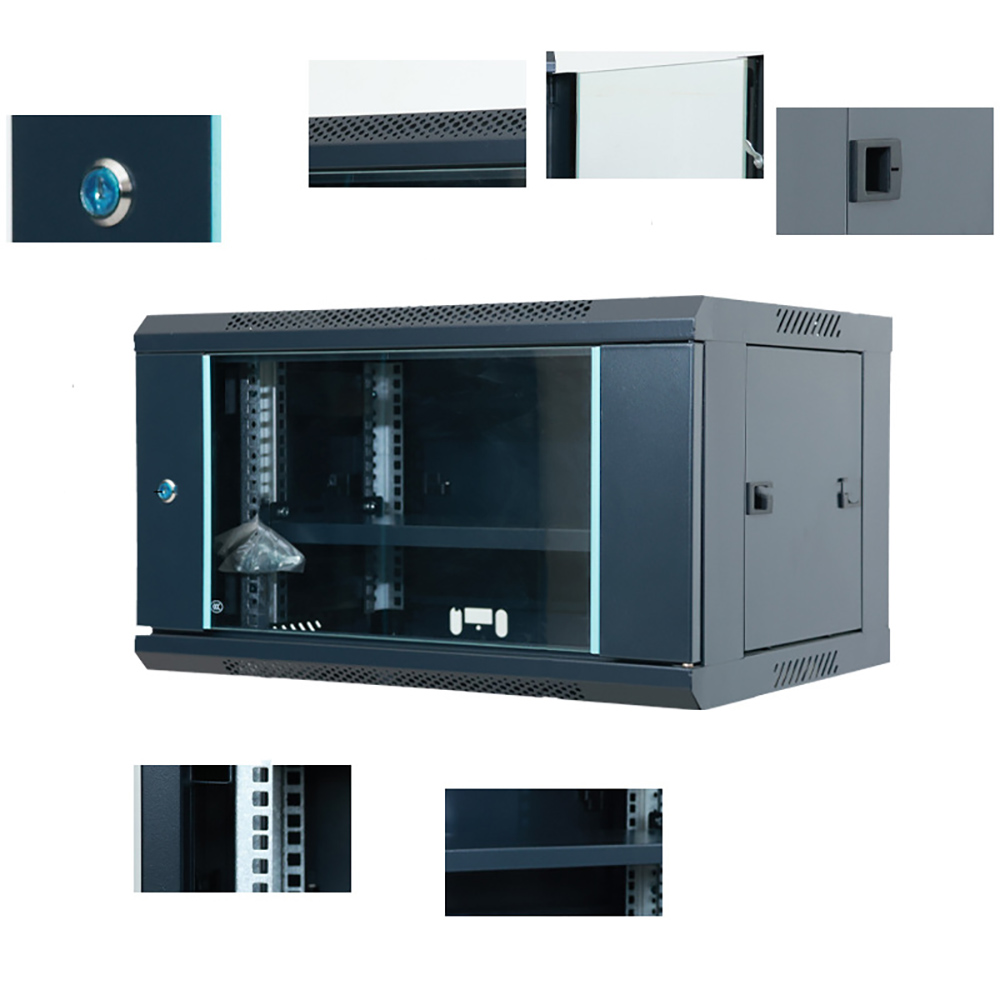
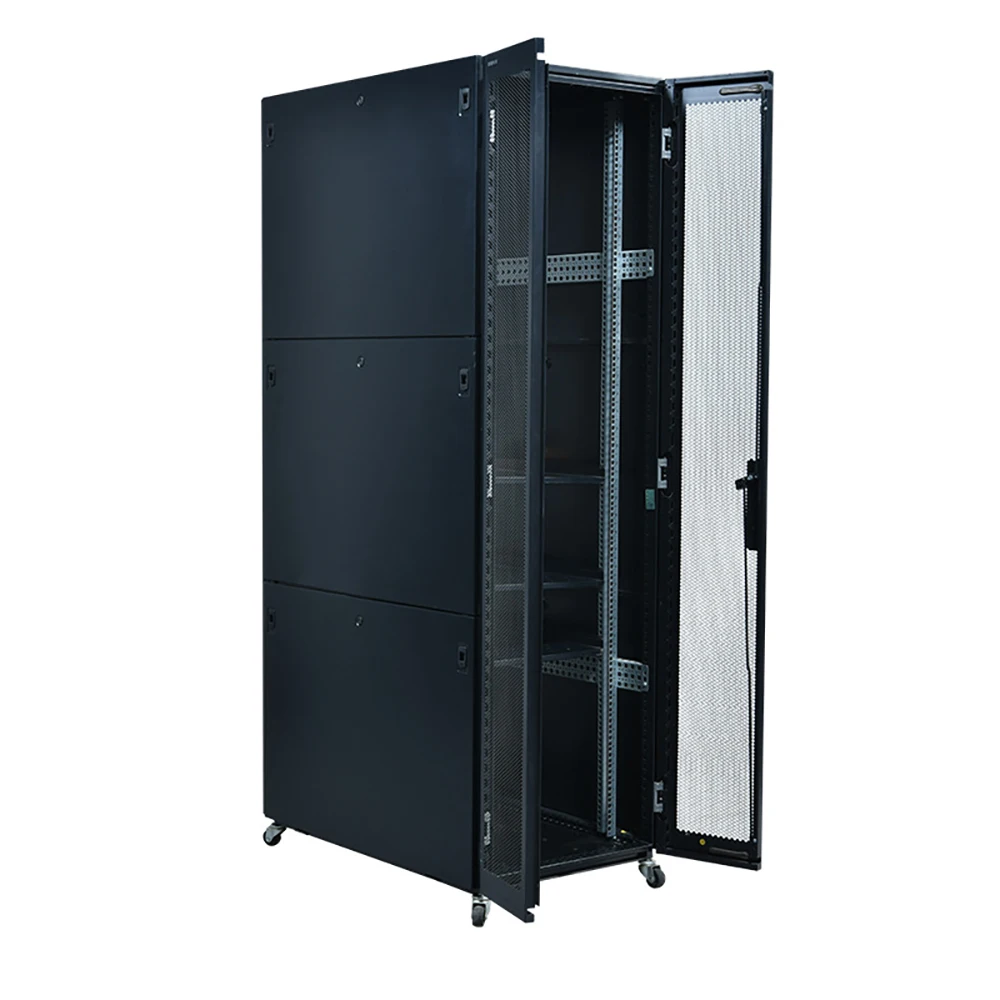
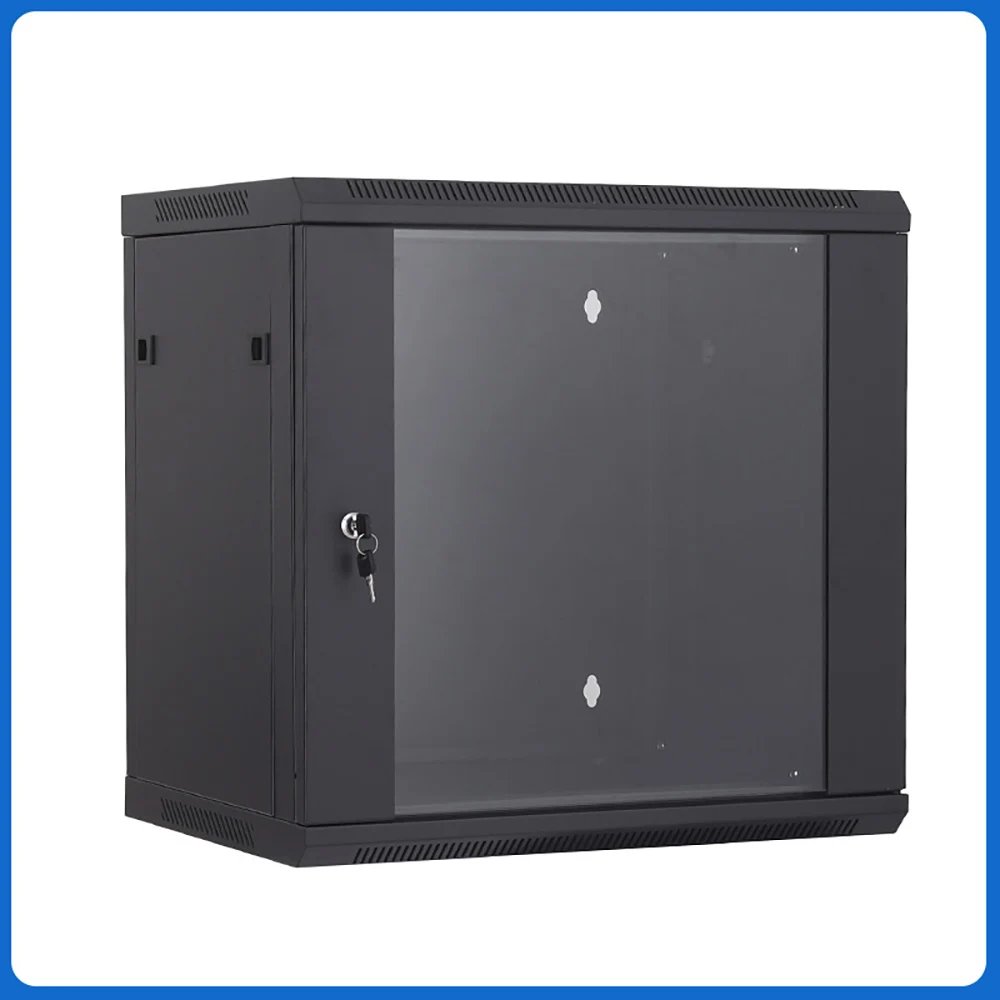
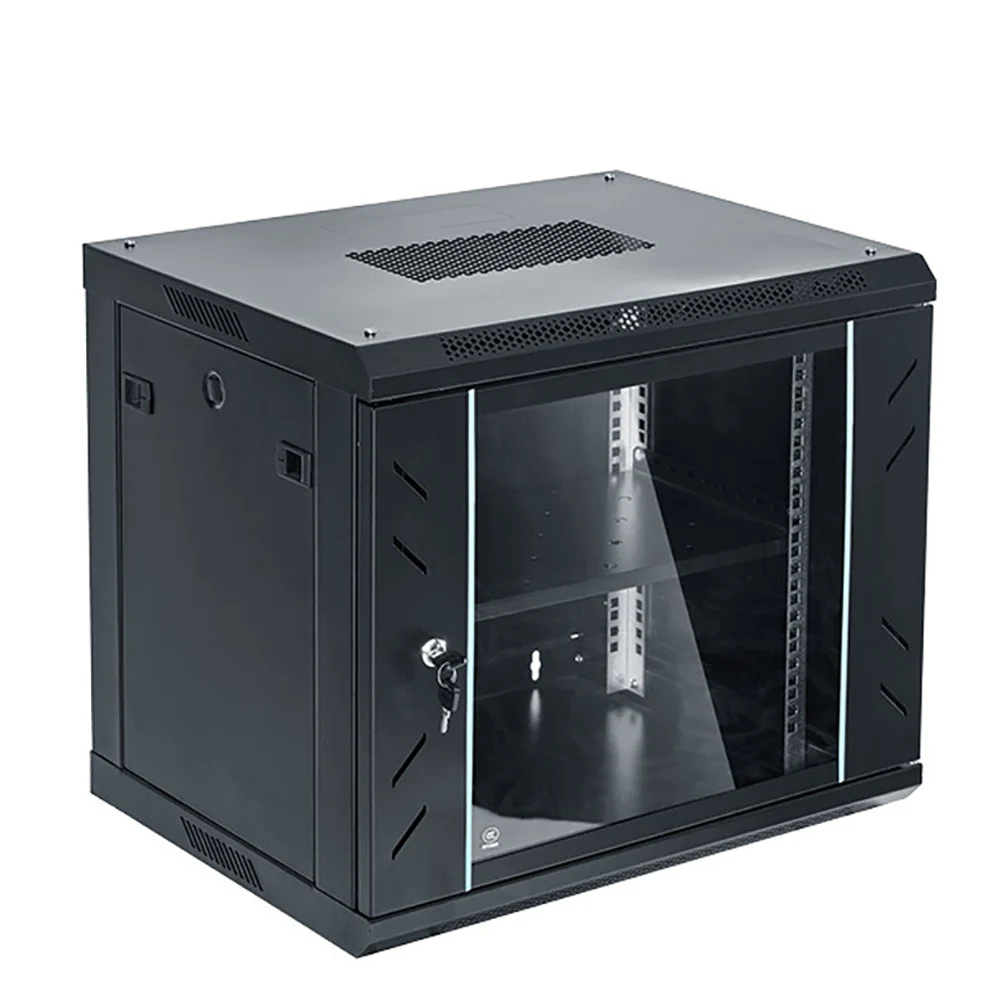
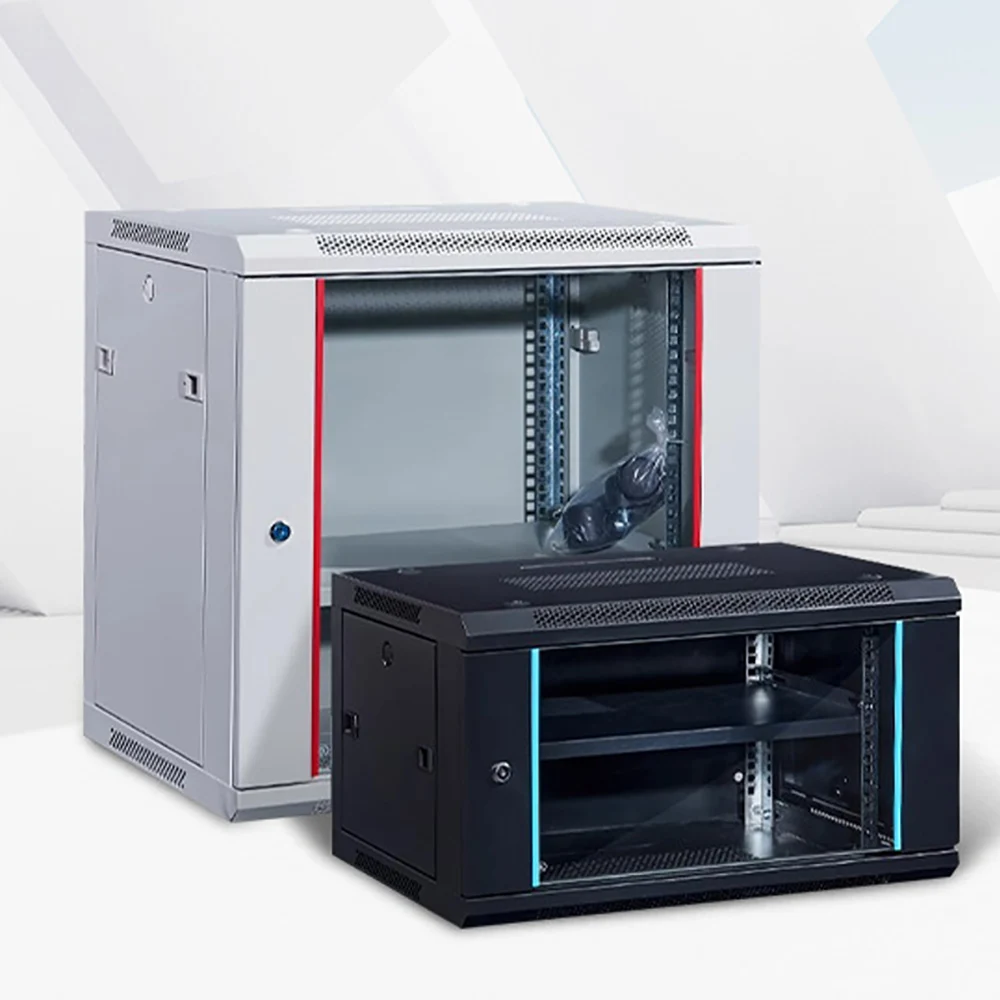
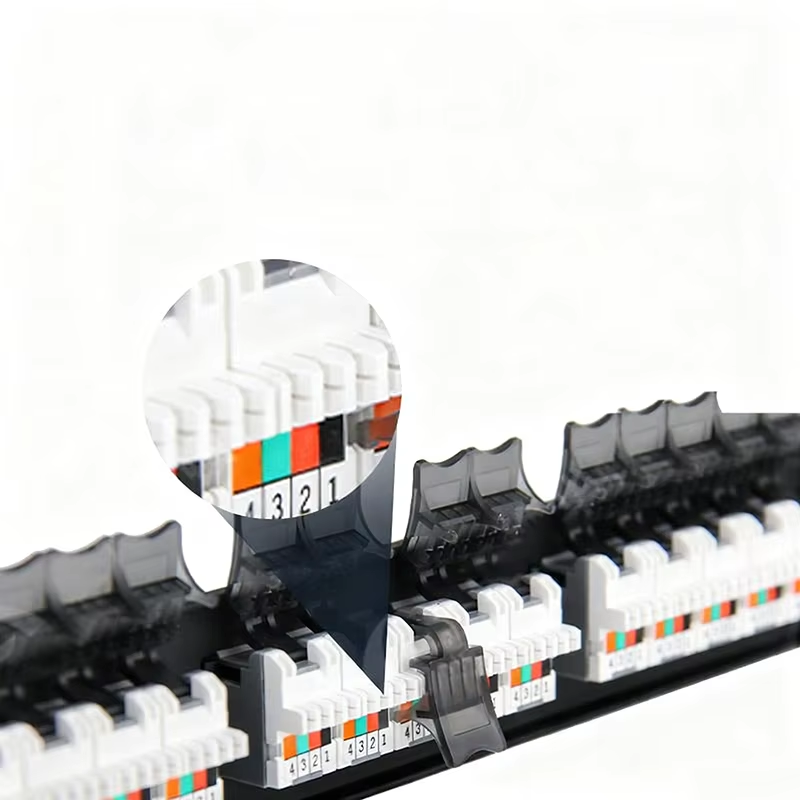
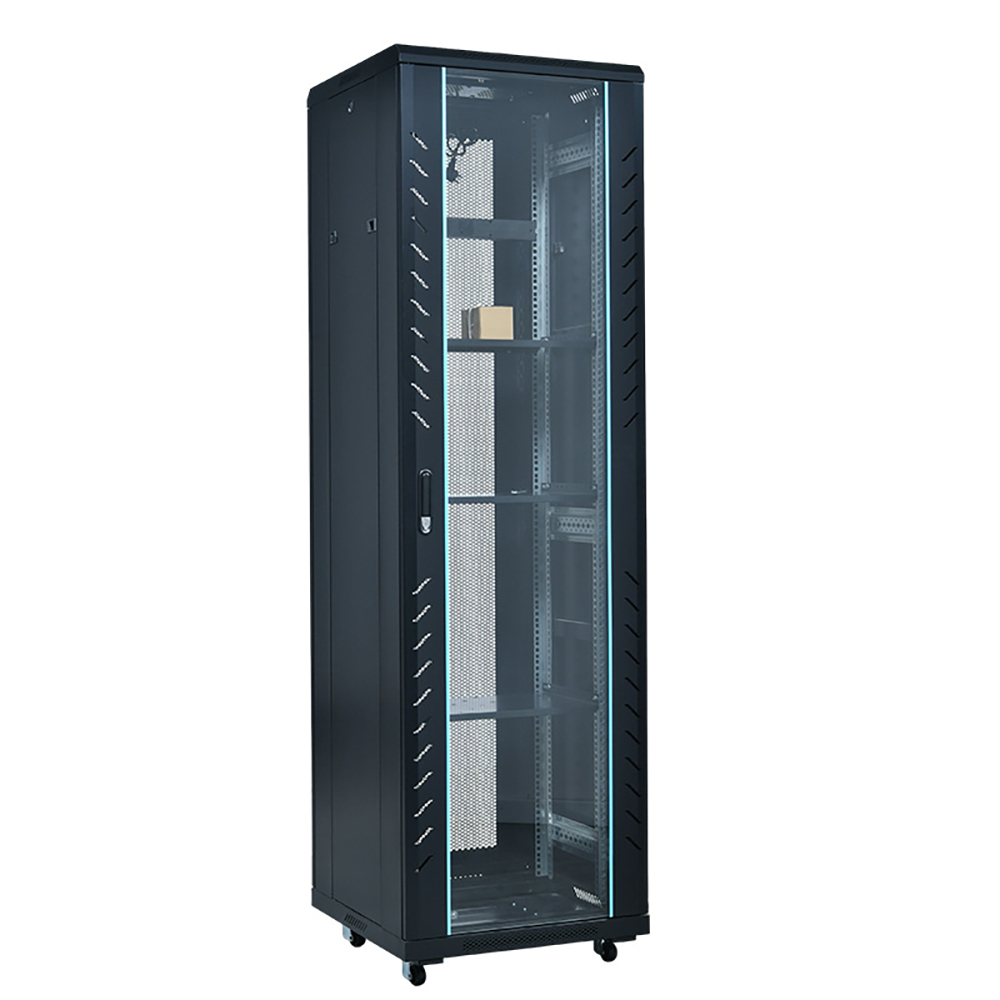
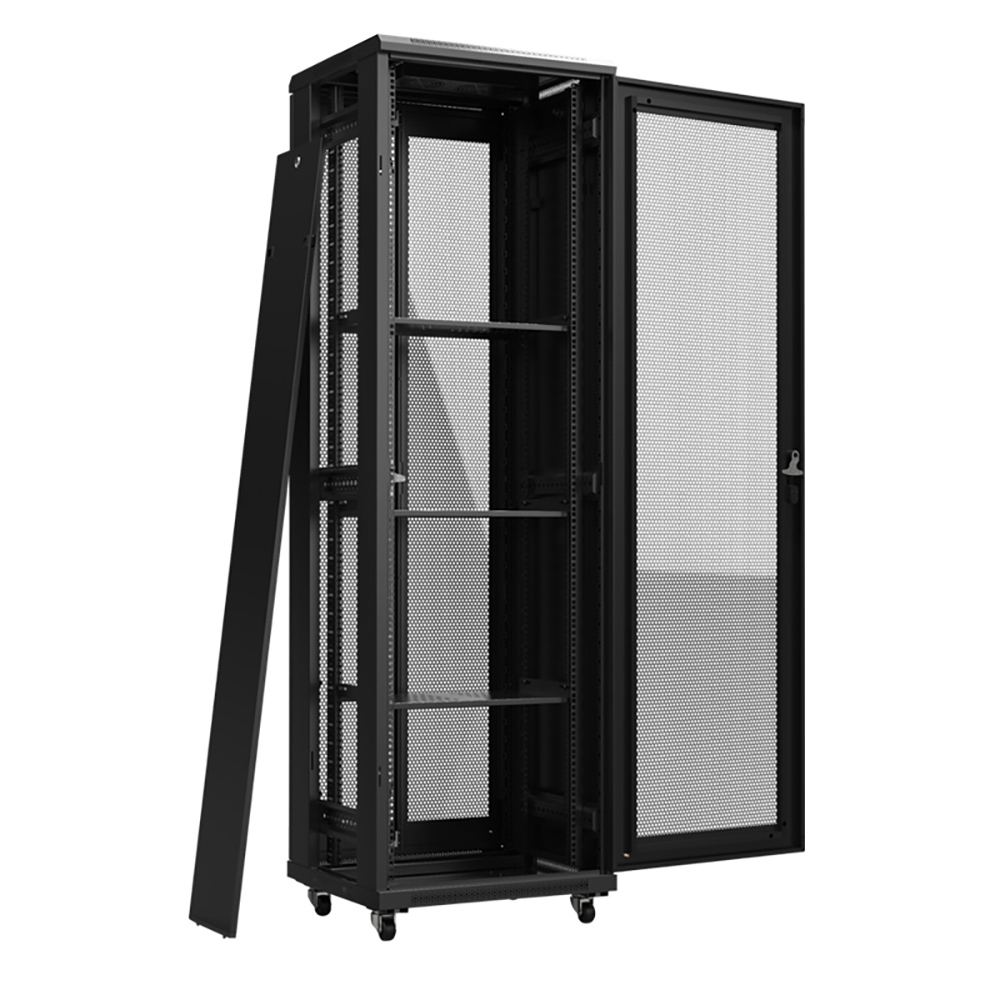
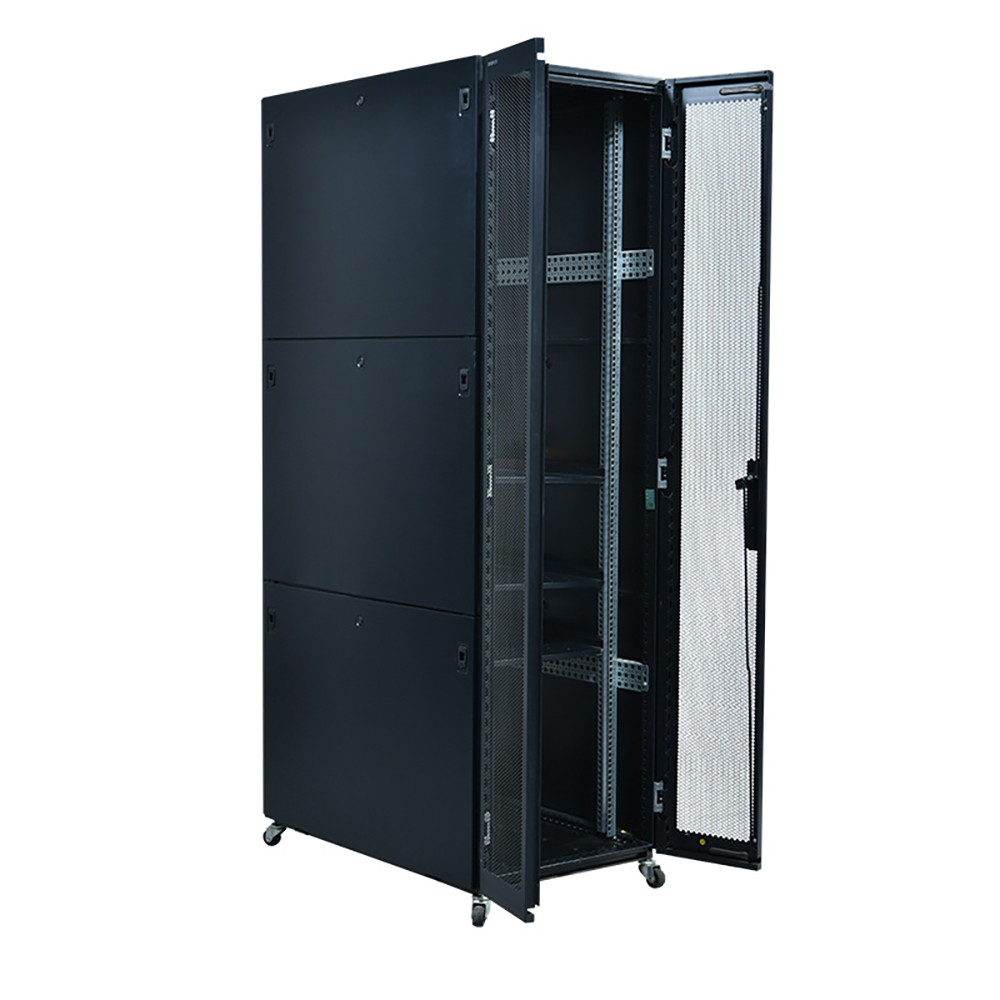
A Network Cabinet provides a structured environment for switches, patch panels, routers, fiber equipment, PDUs, and other communication hardware. Its rack-based design helps businesses organize equipment vertically while maintaining clearer cable routing and easier service access. For example, an enterprise network room can consolidate 10 or more rack-mounted devices into dedicated cabinet positions instead of using scattered shelves. Different cabinet heights and depths allow configurations to match equipment dimensions, available floor space, and expansion plans. A properly organized cabinet can also simplify equipment identification when technicians perform upgrades or troubleshoot connections. From branch offices to telecommunications rooms, network cabinets provide a practical infrastructure foundation for businesses that require consistent equipment organization and room for future network development.
Get A Quote

Case Study

Enterprise Network Room Installation

An enterprise office needed to replace scattered switches, patch panels, routers, and power equipment with a centralized infrastructure arrangement. A Network Cabinet provided dedicated rack positions for more than 10 devices while creating a consistent equipment layout. Technicians organized hardware according to function and routed cables through designated management areas to reduce congestion behind the equipment. The cabinet also created a dedicated physical space for network infrastructure, separating communication hardware from general office activities. Several rack positions remained available for future additions, allowing the company to expand without immediately replacing the cabinet. This installation created a cleaner network room and provided a structured platform for ongoing equipment upgrades and infrastructure management.

Telecommunications Room Deployment

A telecommunications facility required a standardized cabinet for switches, fiber distribution equipment, patch panels, and power components. A Network Cabinet provided organized rack mounting for more than eight devices while maintaining defined positions for different equipment types. Technicians used structured cable routing to manage connections entering and leaving the cabinet, making individual links easier to trace during maintenance. The cabinet configuration also left usable rack capacity for future communication hardware. By establishing the same mounting principles across the telecommunications room, the facility created a more consistent infrastructure layout. This approach helped simplify routine service work and provided a scalable foundation for additional network equipment as communication requirements increased.

Multi-Branch Network Standardization

A company operating six branch offices wanted a consistent method for organizing switches, routers, patch panels, and security devices at each location. Network Cabinet systems allowed the company to standardize equipment mounting while selecting cabinet sizes according to individual site requirements. Each branch consolidated approximately 6 to 9 network devices into a dedicated rack structure. Technicians could identify equipment positions more quickly because the basic layout remained consistent across locations. Cable management also helped maintain clearer connections behind the installed hardware. This standardized approach reduced differences between branch installations and created a repeatable maintenance process. As each office expanded, additional rack positions provided room for new equipment without changing the overall infrastructure organization.

Related products

GLGW Network provides Network Cabinet solutions for enterprise IT rooms, telecommunications facilities, branch offices, data centers, and distributed communication infrastructure. The cabinets are designed to accommodate network switches, patch panels, routers, fiber equipment, PDUs, servers, and other compatible rack-mounted hardware. Different heights and depths allow users to select configurations according to equipment dimensions, installation space, and future expansion requirements. For example, a branch office can consolidate several switches and patch panels into one dedicated cabinet, while a larger telecommunications room can deploy multiple cabinets for higher equipment density. Organized rack positions help technicians identify hardware and perform maintenance more efficiently, while cable management provisions support cleaner connections. GLGW Network focuses on practical cabinet configurations that help businesses establish structured network environments for new installations, infrastructure upgrades, and long-term equipment expansion.

Frequently Asked Questions

What equipment can a Network Cabinet accommodate?

A Network Cabinet can accommodate network switches, routers, patch panels, fiber equipment, servers, PDUs, storage hardware, and other compatible rack-mounted devices. The appropriate configuration depends on rack height, cabinet depth, equipment dimensions, and mounting requirements. Users should confirm hardware specifications before selecting a cabinet for their specific network infrastructure project.
A Network Cabinet provides defined rack positions for communication equipment, helping prevent devices from being scattered across shelves or desks. Organized mounting and cable routing can make equipment identification, troubleshooting, and maintenance easier. This structured arrangement is especially useful when multiple switches, patch panels, routers, and power components operate within the same technical area.
Yes, provided the cabinet has sufficient rack capacity for planned equipment additions. Businesses can initially install essential switches, routers, and patch panels while reserving rack positions for future hardware. Planning expansion capacity during the initial installation can reduce the need for cabinet replacement and help maintain a consistent infrastructure layout.
Network cabinets are commonly installed in enterprise network rooms, telecommunications rooms, branch offices, data centers, security rooms, and distributed IT facilities. They are suitable wherever rack-mounted communication equipment requires structured organization. Selection should consider available space, equipment dimensions, rack capacity, cable routing, access requirements, and expected network growth.
Important factors include rack-unit capacity, cabinet depth, equipment dimensions, mounting compatibility, cable management, access requirements, ventilation, and available installation space. Businesses should also estimate future hardware needs before purchasing. Selecting appropriate capacity from the beginning can provide greater flexibility and reduce infrastructure changes during subsequent network upgrades.

Related article

Patch cord bending radius affects network performance.

17

Jun

Patch cord bending radius affects network performance.

Real-world cases showing the impact of improper bending on daily network operation Working in the structured cabling and network connectivity sector for over sixteen years, I have witnessed countless network faults traced back to unreasonable bend...
View More
Fiber Optic Cable Deployment for Data Center Backbone.

25

Jun

Fiber Optic Cable Deployment for Data Center Backbone.

Real-world Project Cases Reflecting the Value of Standardized Fiber Optic Cable Deployment With more than sixteen years working in structured cabling and data center infrastructure construction, I have taken charge of dozens of data center backbon...
View More
Patch cord matching rules for communication projects.

11

Jul

Patch cord matching rules for communication projects.

Real World Field Experiences with Multi Floor Network Deployments Managing a sprawling multi-floor campus network installation a few years ago taught me that ignoring infrastructure details always leads to signal loss. We noticed severe intermitten...
View More
What Connector Types for Ethernet Patch Cable?

18

Jul

What Connector Types for Ethernet Patch Cable?

Real World Field Challenges with Commercial Network Overhauls During a massive network overhaul for an e-commerce fulfillment hub last year, my deployment team faced an unexpected wave of packet drops and intermittent link drops across the main pac...
View More

Customer Testimonials

Mark Wilson

We consolidated 11 network devices into one cabinet during our office upgrade. The standardized rack positions made equipment identification easier, while organized cabling helped our technicians complete routine connection checks and maintenance more efficiently.

Chris Taylor

We deployed cabinets across six branch locations, organizing 6 to 9 devices at each site. The consistent equipment layout simplified maintenance procedures and gave our technicians a repeatable structure for future network upgrades.

Get a Free Quote

Our representative will contact you soon.
Email
Mobile/WhatsApp
Name
Company Name
Message
0/1000
Flexible Rack Capacity for Network Equipment

Flexible Rack Capacity for Network Equipment

A Network Cabinet provides dedicated rack space for switches, routers, patch panels, fiber equipment, servers, and power components. Different cabinet heights allow businesses to select capacity according to current equipment quantities and future infrastructure plans. For example, a branch office may begin with several switches and patch panels while reserving additional rack positions for later network expansion. A larger telecommunications room can distribute equipment across multiple cabinets to maintain organized infrastructure as device numbers increase. Defined rack positions also make equipment placement easier to document and identify during maintenance. By using vertical space efficiently, network cabinets provide a structured foundation for communication infrastructure while supporting phased hardware deployment and changing operational requirements.
Organized Cable Management for Easier Maintenance

Organized Cable Management for Easier Maintenance

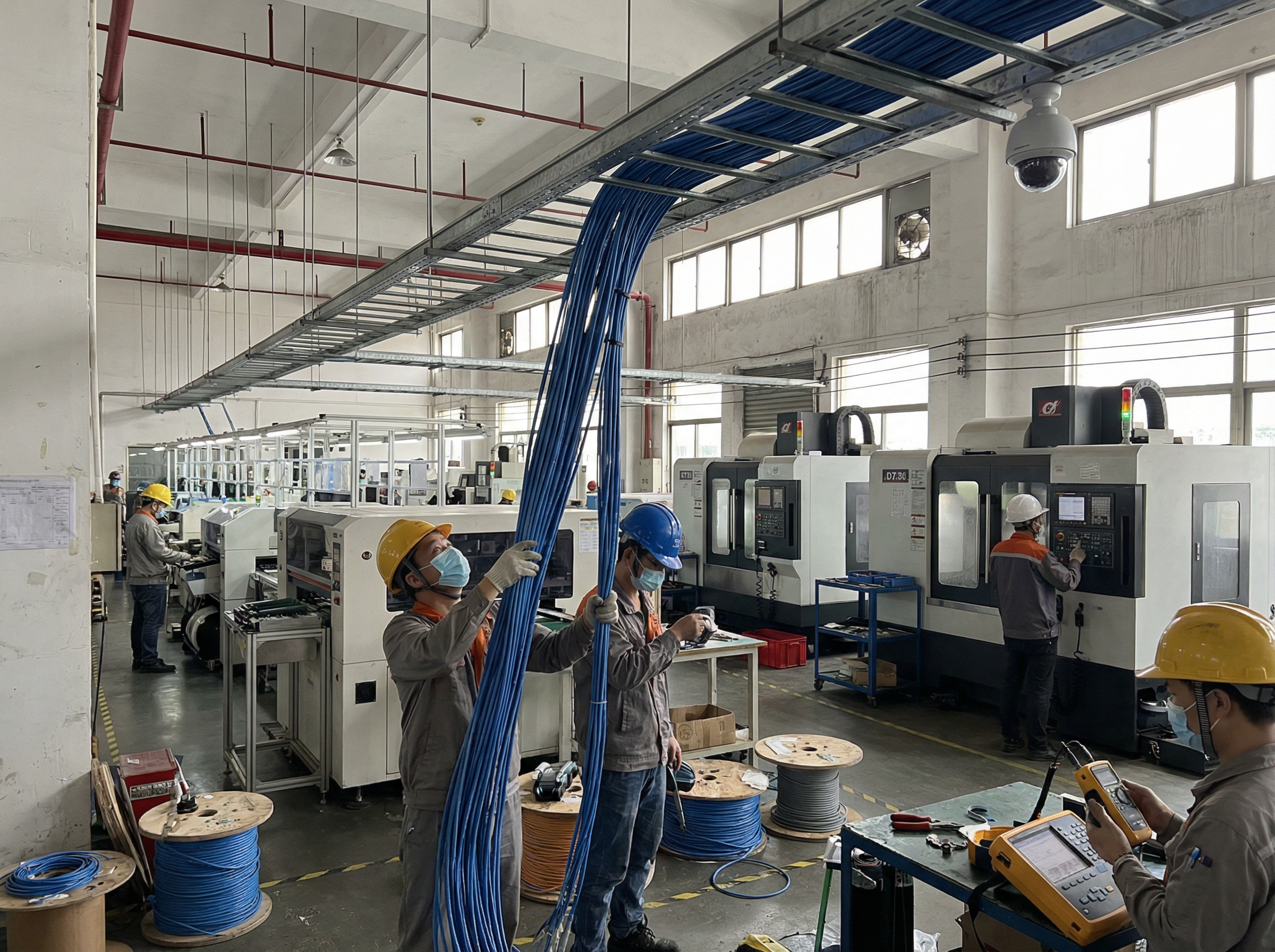
Cable organization is essential when multiple network connections enter and leave the same equipment area. A Network Cabinet provides a defined structure for arranging switches, patch panels, routers, and associated cables in a systematic manner. In a telecommunications room containing more than 10 rack-mounted devices, organized routing can make individual connections easier to identify during troubleshooting or equipment replacement. Clear cable paths also help technicians work around installed hardware without unnecessarily disturbing adjacent connections. When the same organization principles are applied across multiple cabinets, maintenance teams can follow a more consistent service process. This practical approach supports cleaner infrastructure layouts and helps businesses manage growing numbers of network connections more effectively.
Scalable Infrastructure for Growing Network Requirements

Scalable Infrastructure for Growing Network Requirements

Network infrastructure often expands as companies add employees, locations, applications, and connected devices. A Network Cabinet with available rack capacity allows businesses to accommodate new equipment without completely redesigning the existing installation. For example, a company can initially install switches, routers, and patch panels while leaving space for additional communication hardware as operations grow. Standardized mounting positions help maintain a consistent equipment layout when new devices are introduced. This is particularly useful for multi-branch organizations that want similar infrastructure arrangements across different locations. By considering future rack requirements during the initial selection process, businesses can create a more adaptable network environment that supports equipment upgrades while preserving organized installation and service access.

Get a Free Quote

Our representative will contact you soon.
Email
Mobile/WhatsApp
Name
Company Name
Message
0/1000