Comms Rack Solutions for Enterprise Networks [2024]

All Categories
Efficient Comms Rack Design for Reliable Equipment Organization

Efficient Comms Rack Design for Reliable Equipment Organization

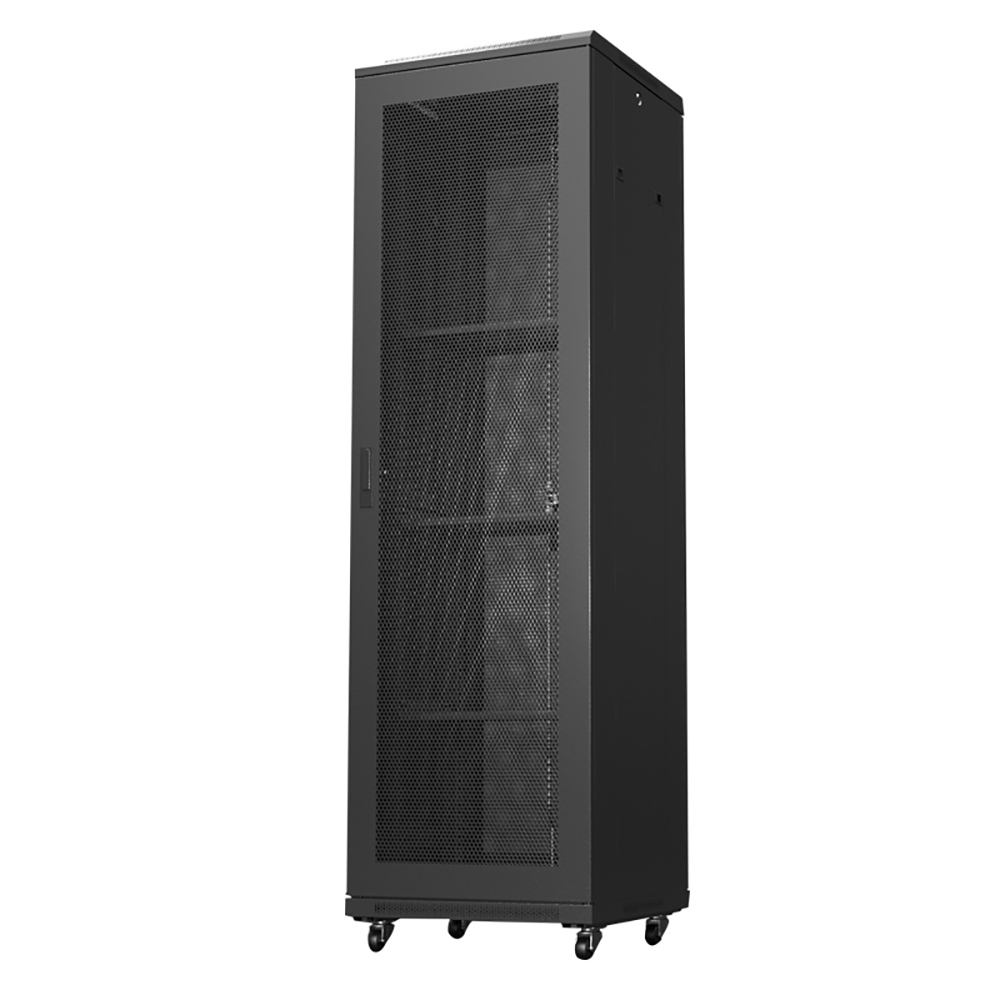
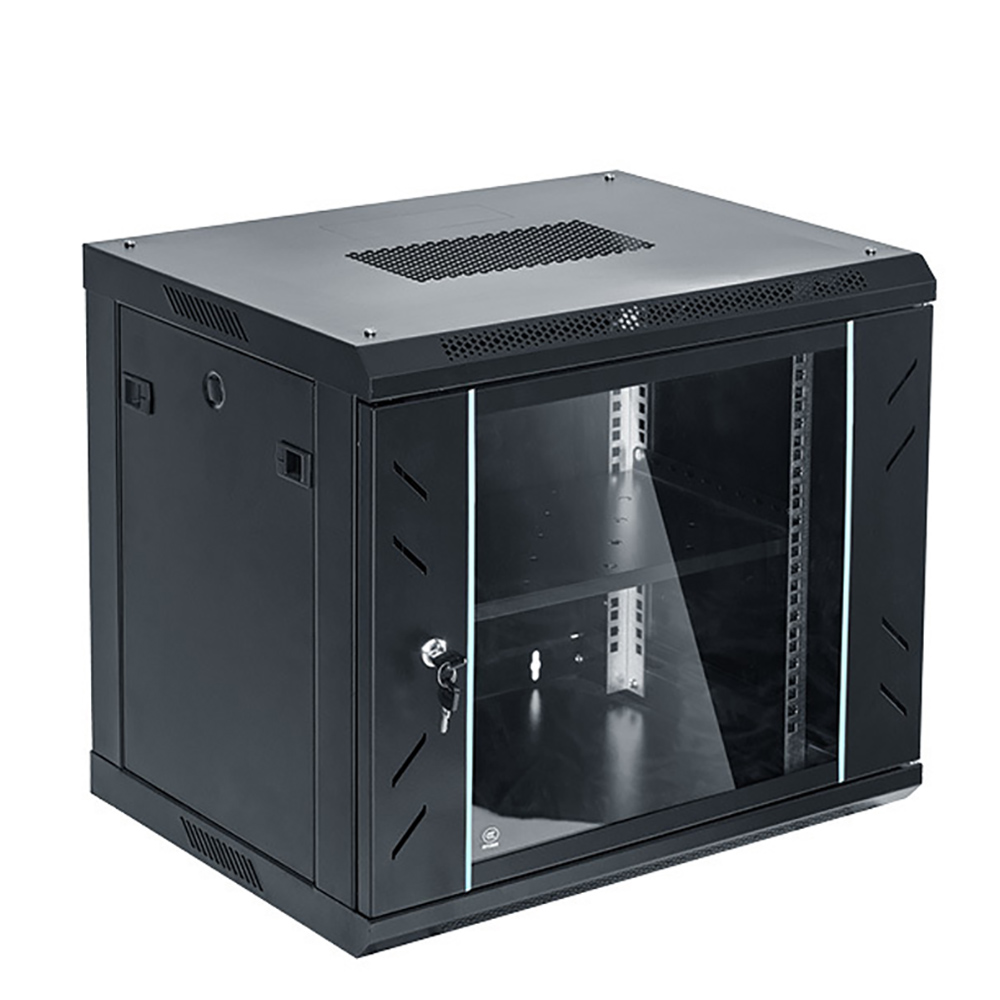
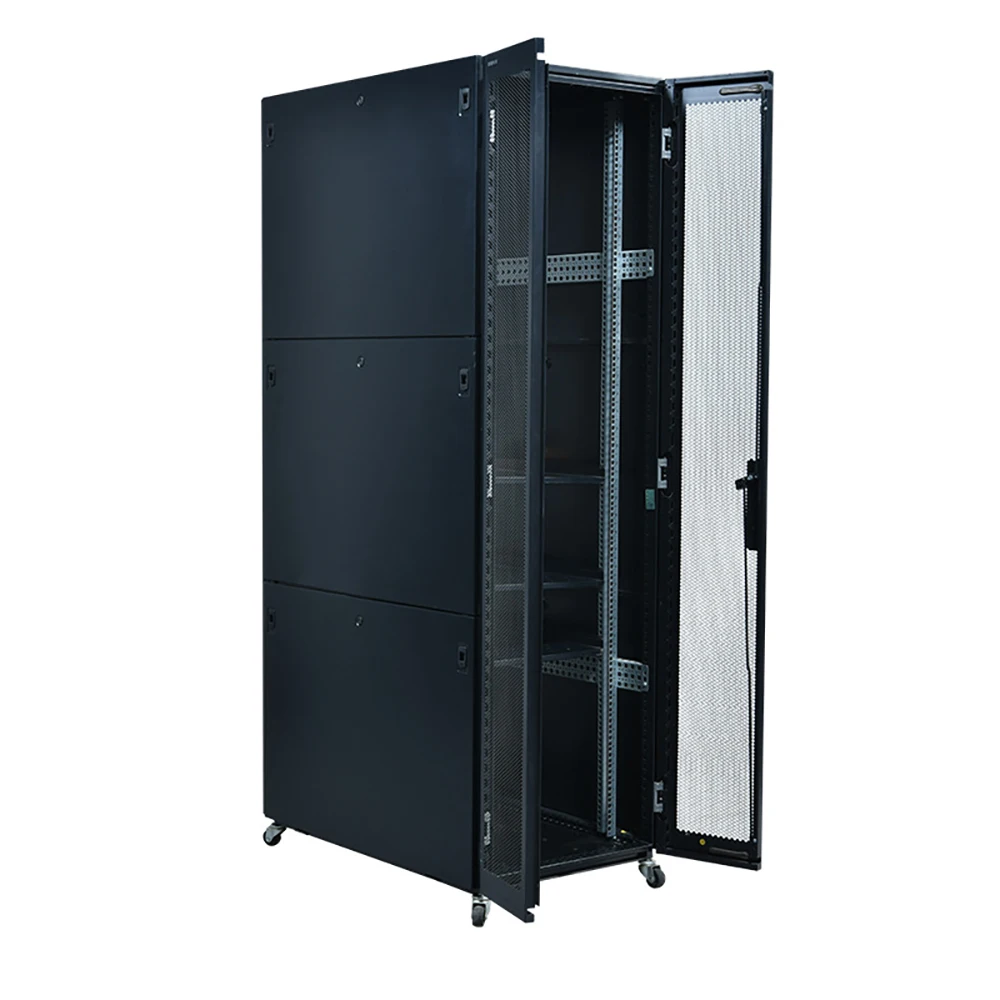
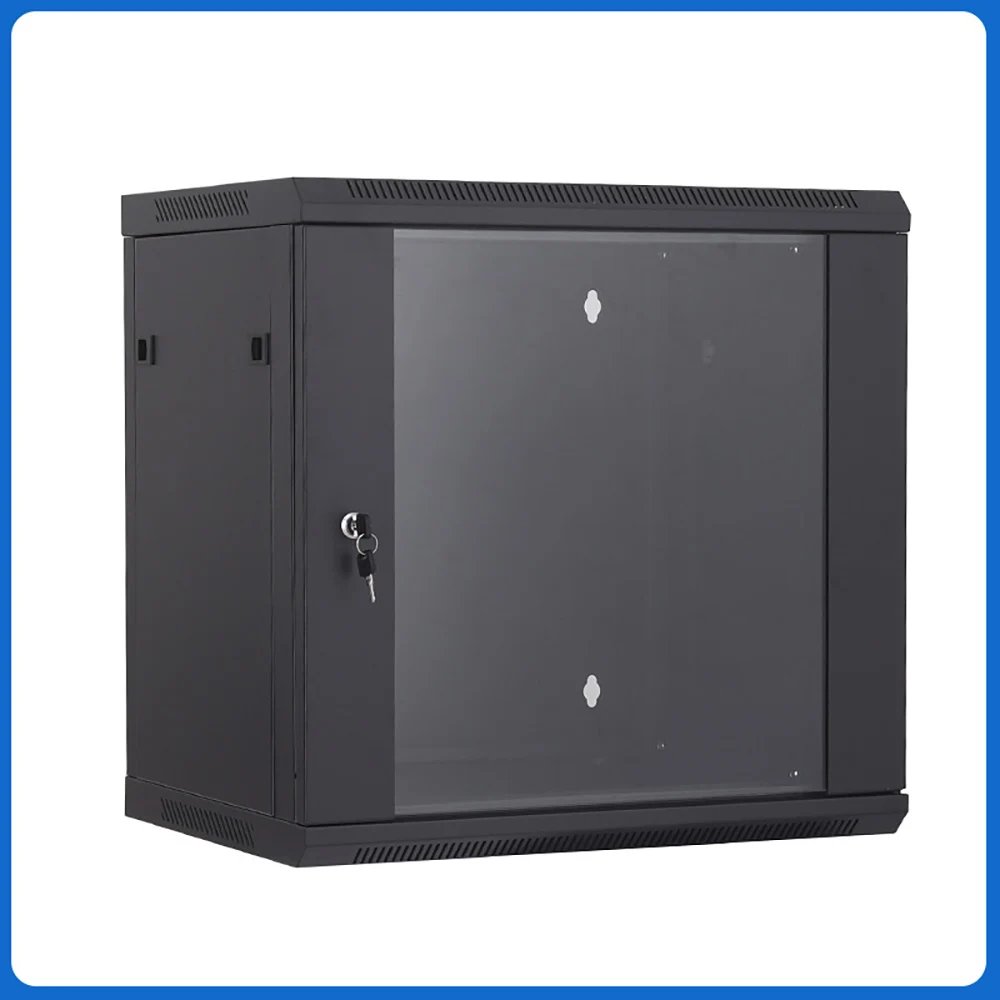
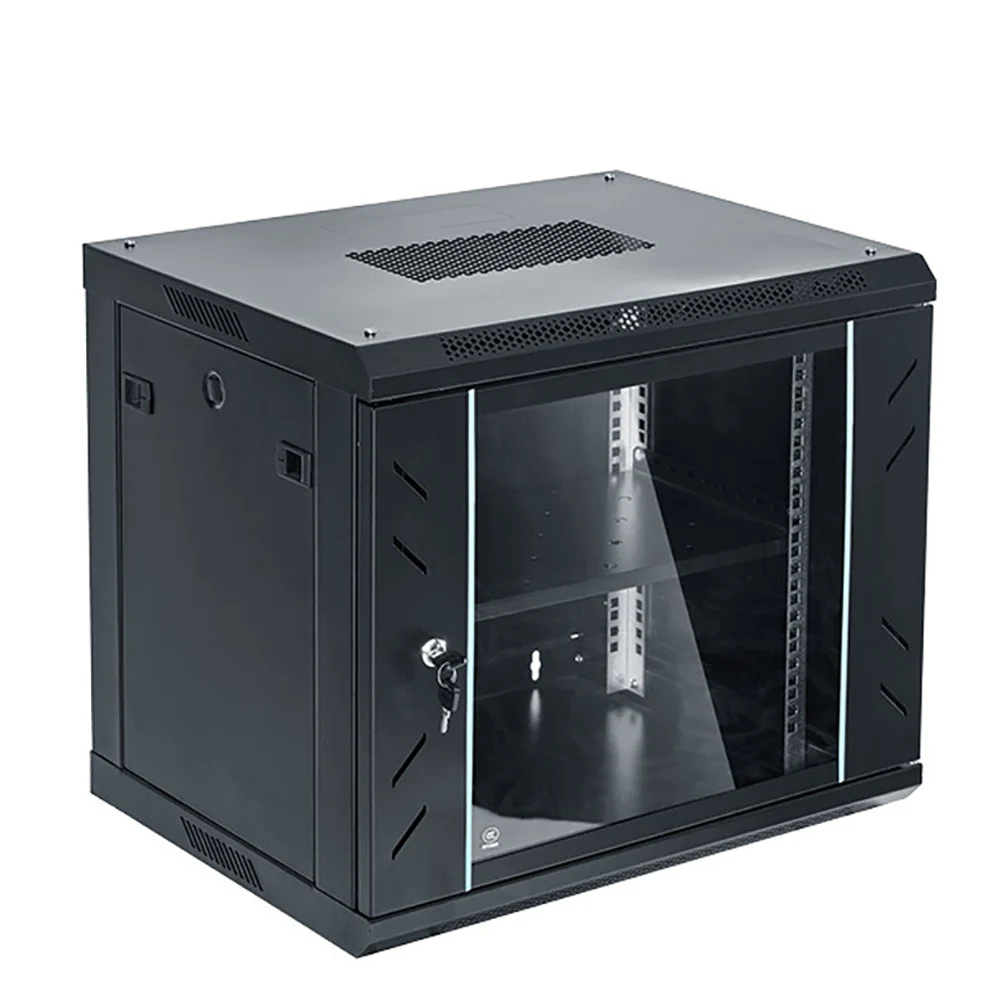
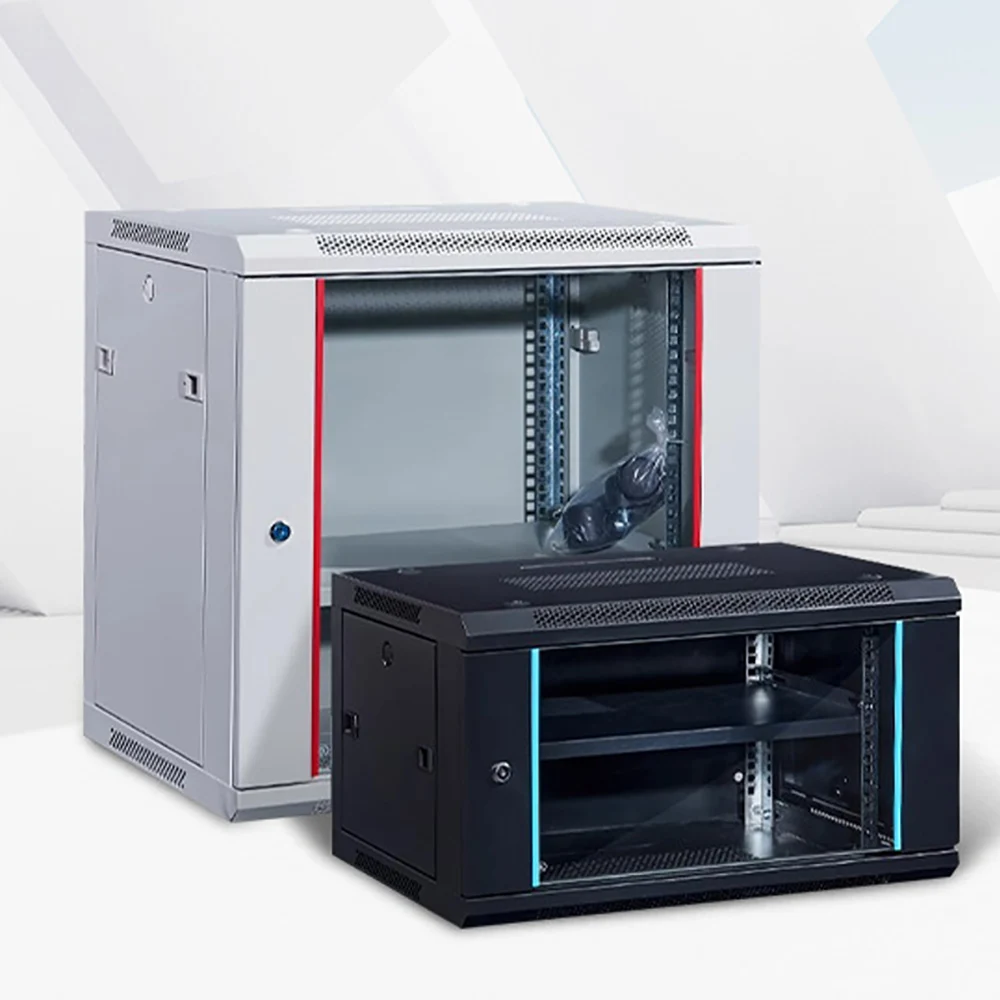
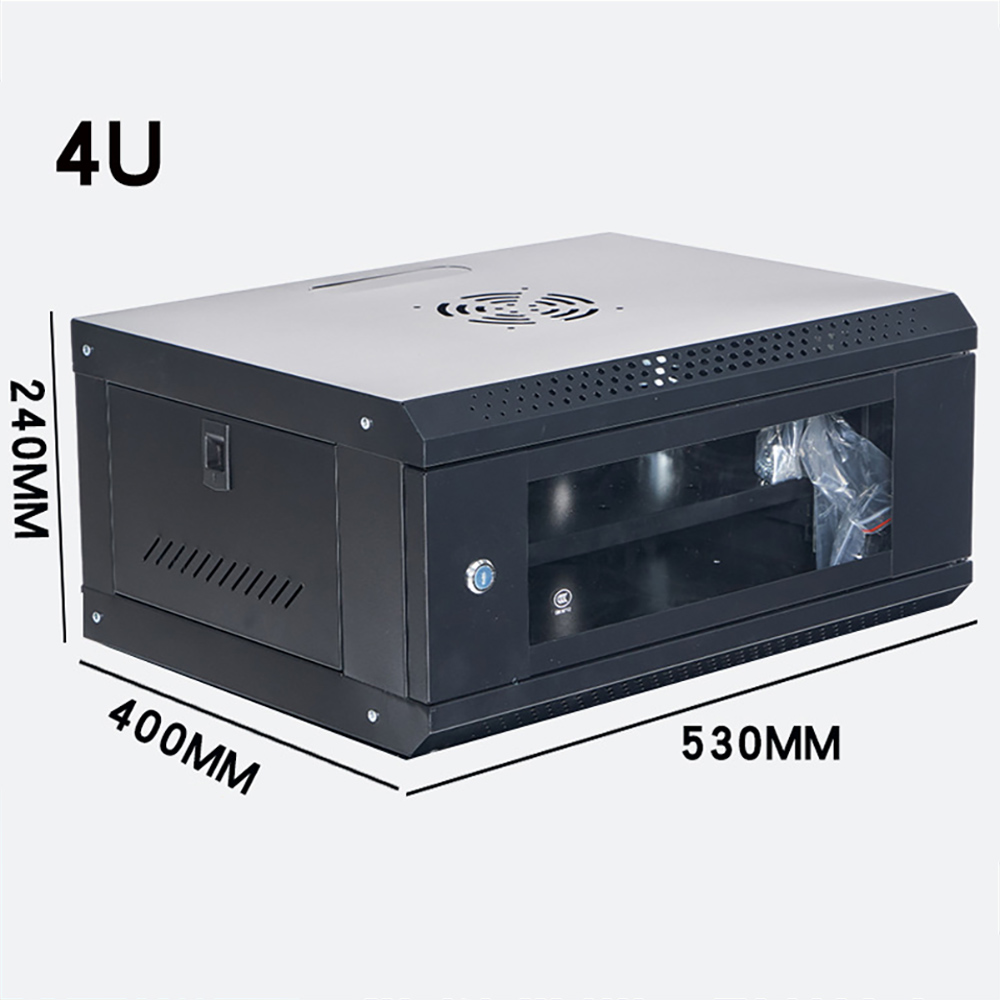
A Comms Rack provides structured mounting space for switches, patch panels, routers, fiber equipment, power distribution units, and communication accessories. Its organized design helps businesses manage network hardware while maintaining accessible cable routes and service areas. For example, an office communication room supporting 30 network devices can use a Comms Rack to centralize equipment and simplify maintenance. The rack can be configured according to equipment dimensions, installation requirements, cable management needs, and available technical space. It is suitable for telecom facilities, enterprise offices, security systems, data rooms, and system integration projects. By grouping communication hardware within a dedicated rack, businesses can improve equipment visibility, simplify troubleshooting, and maintain a more structured network environment.
Get A Quote

Case Study

Enterprise Network Room Comms Rack Deployment

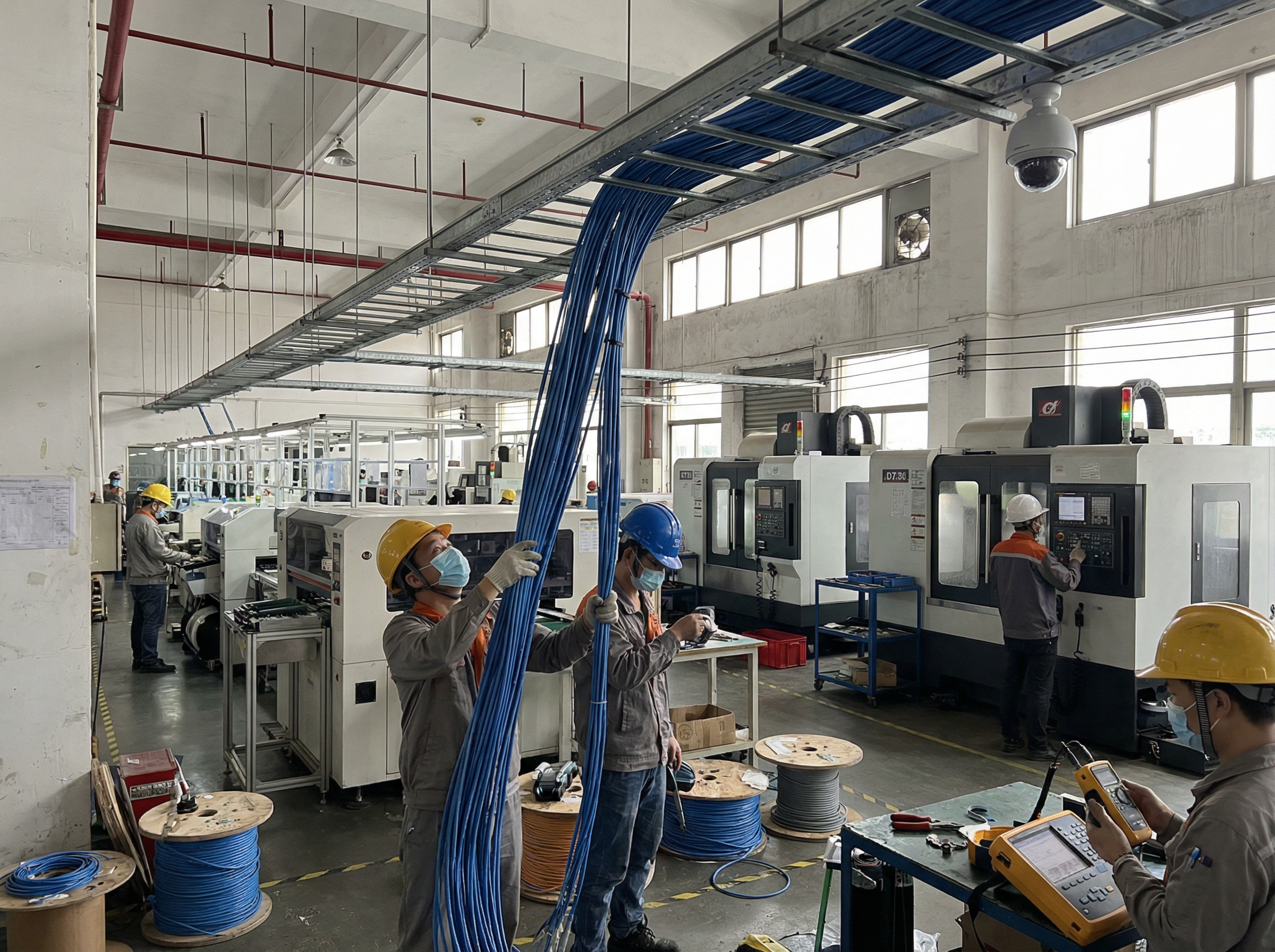
An enterprise office needed to reorganize network hardware supporting approximately 150 employees across multiple departments. The project used a Comms Rack to centralize switches, patch panels, routers, and power distribution equipment in one structured installation. The rack layout separated equipment by function and provided clearer cable routing between network components. Technicians could access individual devices without disturbing unrelated connections, making routine inspections and replacements more manageable. The installation also reserved space for future networking hardware as the company expanded. This application demonstrates how Comms Rack systems can support enterprise communication rooms where organized equipment placement, efficient maintenance, and scalable network infrastructure are essential for daily business operations and long-term technology development.

Telecom Infrastructure Comms Rack for Distributed Networks

A telecom operator required standardized equipment organization across 12 communication locations serving regional customers. Each site used a Comms Rack to arrange fiber panels, Ethernet switches, patch panels, and power accessories according to a consistent installation plan. Standardized rack positioning helped technicians identify equipment more quickly during scheduled maintenance and network upgrades. Cable pathways were organized to reduce unnecessary crossing between communication and power connections. The rack configuration also provided additional mounting capacity for future equipment additions. This project illustrates how Comms Rack solutions can help telecom operators and network integrators maintain consistent infrastructure across distributed sites while supporting practical installation procedures, easier servicing, and controlled equipment expansion.

Security Network Comms Rack for CCTV Infrastructure

A commercial security project required centralized equipment organization for a surveillance network covering more than 80 cameras. A Comms Rack was configured to accommodate network switches, patch panels, recording equipment, power accessories, and communication connections. Equipment was grouped according to system function, while cable management helped maintain clear pathways between devices. The structured arrangement allowed security technicians to identify network connections more easily during inspection and troubleshooting. Additional rack capacity was retained for future camera expansion and network upgrades. This application shows how Comms Rack systems can support CCTV, access control, building management, and other security infrastructure where multiple communication devices must operate within an organized technical environment.

Related products

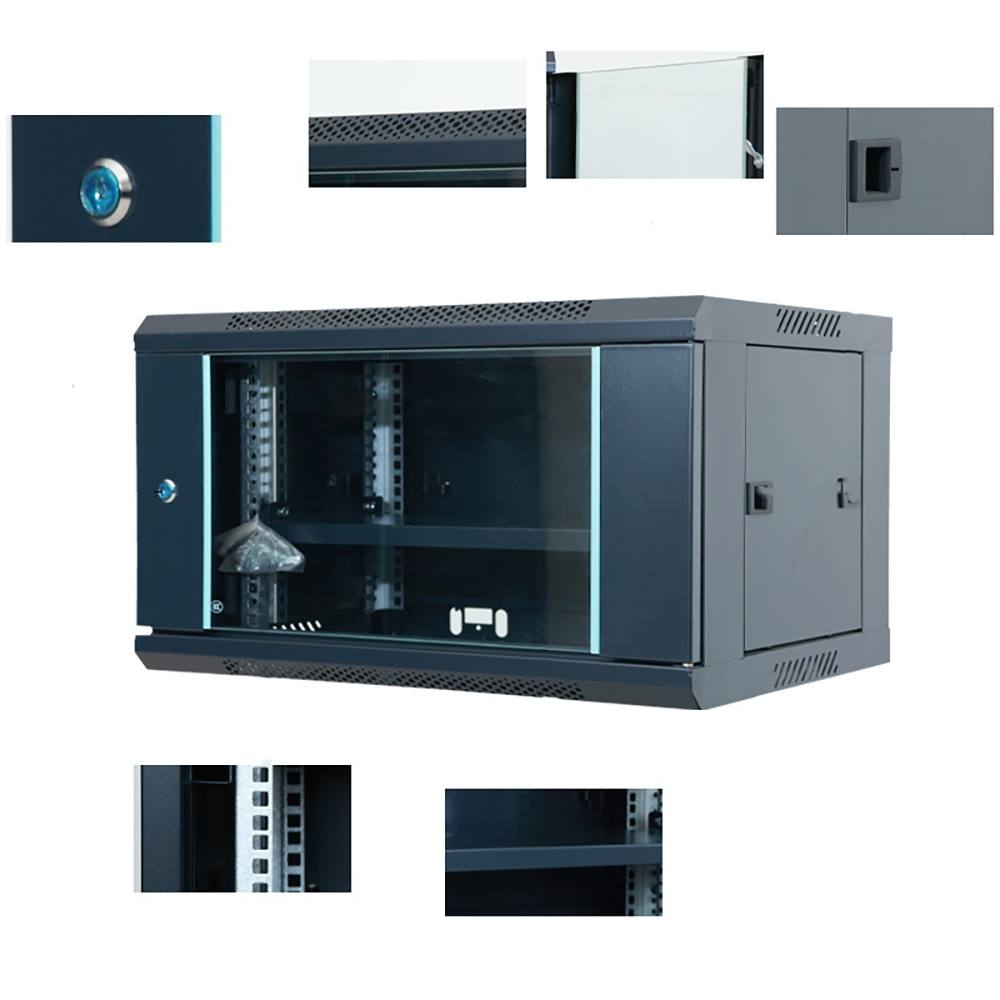
A Comms Rack is designed to provide organized mounting space for communication and networking equipment in enterprise, telecom, security, and industrial environments. Typical configurations can accommodate Ethernet switches, patch panels, routers, fiber optic equipment, power distribution units, and cable management accessories. The rack structure can be selected according to equipment dimensions, mounting requirements, available space, and expected future expansion. Manufacturing considerations include stable frame construction, accurate mounting positions, practical cable routing, equipment accessibility, and suitable ventilation. For example, a communication room supporting 30 to 40 network devices can use a structured rack layout to separate switches, fiber panels, and power components while maintaining clear service access. Different configurations allow system integrators to develop Comms Rack solutions for compact offices, telecom rooms, security facilities, and larger network infrastructure projects.

Frequently Asked Questions

What equipment can be installed in a Comms Rack?

A Comms Rack can accommodate Ethernet switches, routers, patch panels, fiber optic equipment, power distribution units, cable management accessories, and other communication hardware. The internal configuration can be selected according to equipment dimensions and project requirements, making the rack suitable for enterprise networks, telecom systems, security infrastructure, and technical communication rooms.
A Comms Rack provides a structured location for mounting and organizing network equipment. By grouping switches, patch panels, power components, and cables within one system, it can improve equipment visibility and simplify maintenance. This organized approach is particularly useful for communication rooms containing multiple devices and complex network connections.
Yes. A Comms Rack can be selected with additional mounting capacity to accommodate future switches, patch panels, fiber equipment, and other devices. Leaving practical space for expansion during the initial installation can reduce the need for major infrastructure changes as network requirements increase, supporting a more scalable communication environment.
Comms Rack systems are commonly used in enterprise communication rooms, telecom facilities, data rooms, security control areas, industrial networks, and system integration projects. They are especially useful where multiple communication devices need centralized mounting, structured cable management, convenient maintenance access, and room for future equipment upgrades.
Consider equipment dimensions, rack mounting capacity, cable routing, ventilation, power requirements, available installation space, maintenance access, and future expansion needs. The rack should provide sufficient usable capacity for current hardware while leaving practical room for additional devices. Installation conditions should also determine the appropriate rack configuration.

Related article

The Core of Data Centre Infrastructure – A Professional Analysis of GLGW Network Cabinets

21

May

The Core of Data Centre Infrastructure – A Professional Analysis of GLGW Network Cabinets

View More
Fiber Optic Cable Deployment for Data Center Backbone.

25

Jun

Fiber Optic Cable Deployment for Data Center Backbone.

Real-world Project Cases Reflecting the Value of Standardized Fiber Optic Cable Deployment With more than sixteen years working in structured cabling and data center infrastructure construction, I have taken charge of dozens of data center backbon...
View More
Patch cord matching rules for communication projects.

11

Jul

Patch cord matching rules for communication projects.

Real World Field Experiences with Multi Floor Network Deployments Managing a sprawling multi-floor campus network installation a few years ago taught me that ignoring infrastructure details always leads to signal loss. We noticed severe intermitten...
View More
What Connector Types for Ethernet Patch Cable?

18

Jul

What Connector Types for Ethernet Patch Cable?

Real World Field Challenges with Commercial Network Overhauls During a massive network overhaul for an e-commerce fulfillment hub last year, my deployment team faced an unexpected wave of packet drops and intermittent link drops across the main pac...
View More

Customer Testimonials

David Wilson

Our team installed Comms Rack systems in four communication rooms supporting more than 120 network devices. The structured equipment layout improved cable visibility and made routine maintenance easier for our technicians.

Daniel Carter

We deployed Comms Rack systems across 12 telecom locations. Standardized equipment placement reduced installation confusion and helped technicians complete network inspections more efficiently during scheduled maintenance and expansion projects.

Get a Free Quote

Our representative will contact you soon.
Email
Mobile/WhatsApp
Name
Company Name
Message
0/1000
Structured Equipment Management for Complex Networks

Structured Equipment Management for Complex Networks

Modern communication rooms may contain switches, routers, patch panels, fiber equipment, power units, and numerous cable connections. A Comms Rack creates a structured framework for arranging these components according to system function and maintenance requirements. For example, an enterprise network with more than 30 active devices can separate switching, fiber, and power equipment into clearly organized rack positions. This arrangement helps technicians identify individual components and follow more consistent service procedures. Organized mounting also reduces unnecessary equipment movement during maintenance or upgrades. For telecom operators, system integrators, and enterprise IT teams, a properly planned Comms Rack provides a practical foundation for maintaining clear, accessible, and scalable communication infrastructure.
Professional Cable Management for Easier Maintenance

Professional Cable Management for Easier Maintenance

Cable organization is essential when a communication room contains multiple network devices and connection points. A Comms Rack can provide dedicated pathways and organized equipment positioning, helping technicians distinguish connections between switches, patch panels, fiber panels, and power components. In a technical room supporting 40 or more devices, structured routing can make troubleshooting and equipment replacement more manageable. System integrators can plan cable entry and equipment placement around the specific installation requirements, reducing unnecessary congestion within the rack. Standardized layouts can also support consistent maintenance procedures across multiple sites. This approach helps organizations maintain cleaner communication rooms while improving accessibility for inspections, upgrades, and future network expansion.
Scalable Rack Infrastructure for Growing Communication Systems

Scalable Rack Infrastructure for Growing Communication Systems

Communication infrastructure often expands as organizations add users, network devices, security systems, or new services. A Comms Rack can be planned with sufficient mounting capacity to support current equipment while leaving room for future additions. For example, a telecom installation starting with 16 devices may later require additional switches, fiber panels, or power equipment as coverage expands. Reserving practical rack capacity from the beginning can reduce the need for immediate replacement or restructuring. Flexible rack configurations allow system integrators to match equipment dimensions, cable routing, and installation conditions. This makes Comms Rack solutions suitable for enterprises, telecom operators, security projects, industrial networks, and distributed communication infrastructure.

Get a Free Quote

Our representative will contact you soon.
Email
Mobile/WhatsApp
Name
Company Name
Message
0/1000