Fiber Optic Terminal Box: IP65 Outdoor & Indoor FTTH Solutions

All Categories
Reliable Fiber Optic Terminal Box for Organized Fiber Termination and Connection Management

Reliable Fiber Optic Terminal Box for Organized Fiber Termination and Connection Management

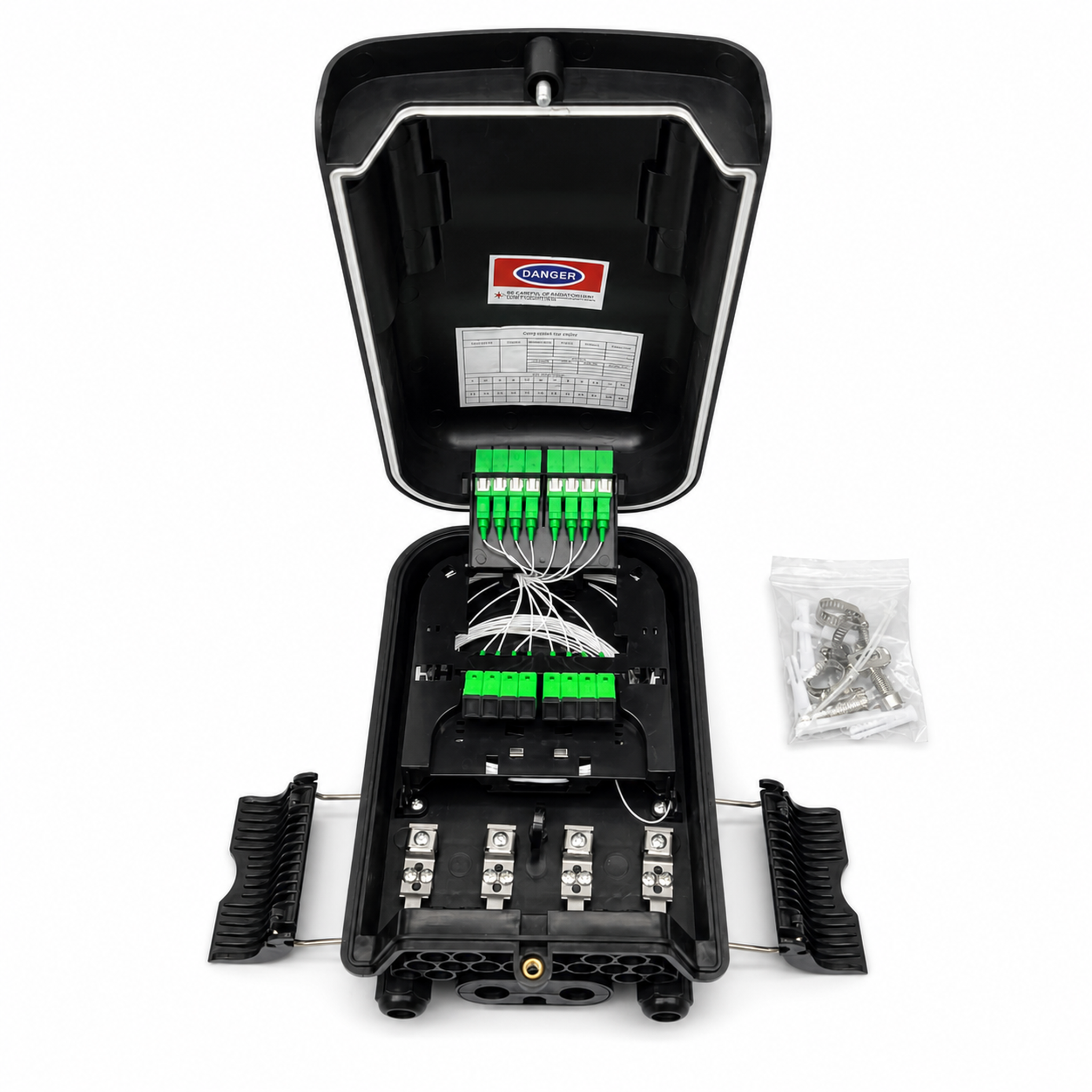
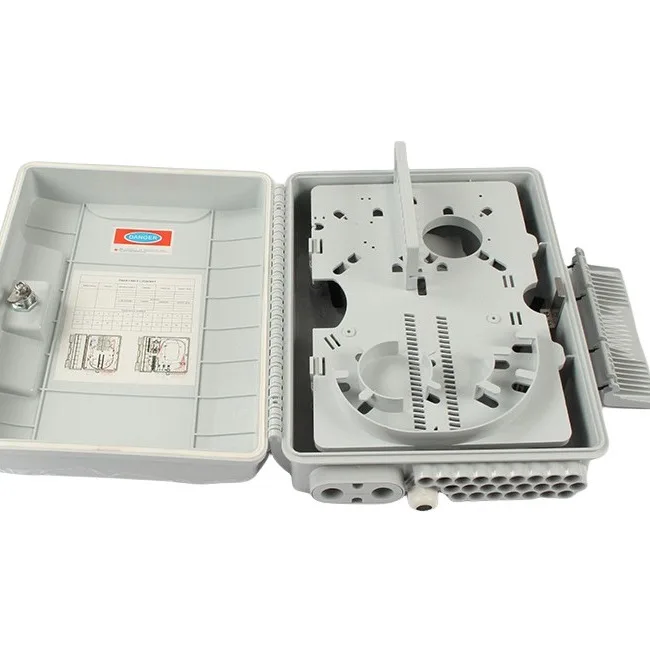
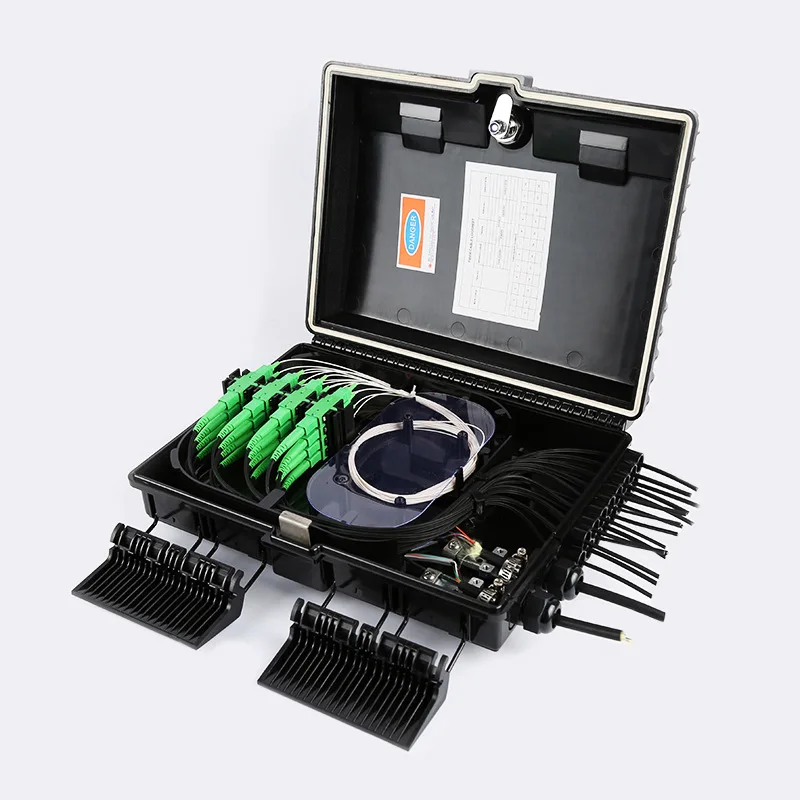
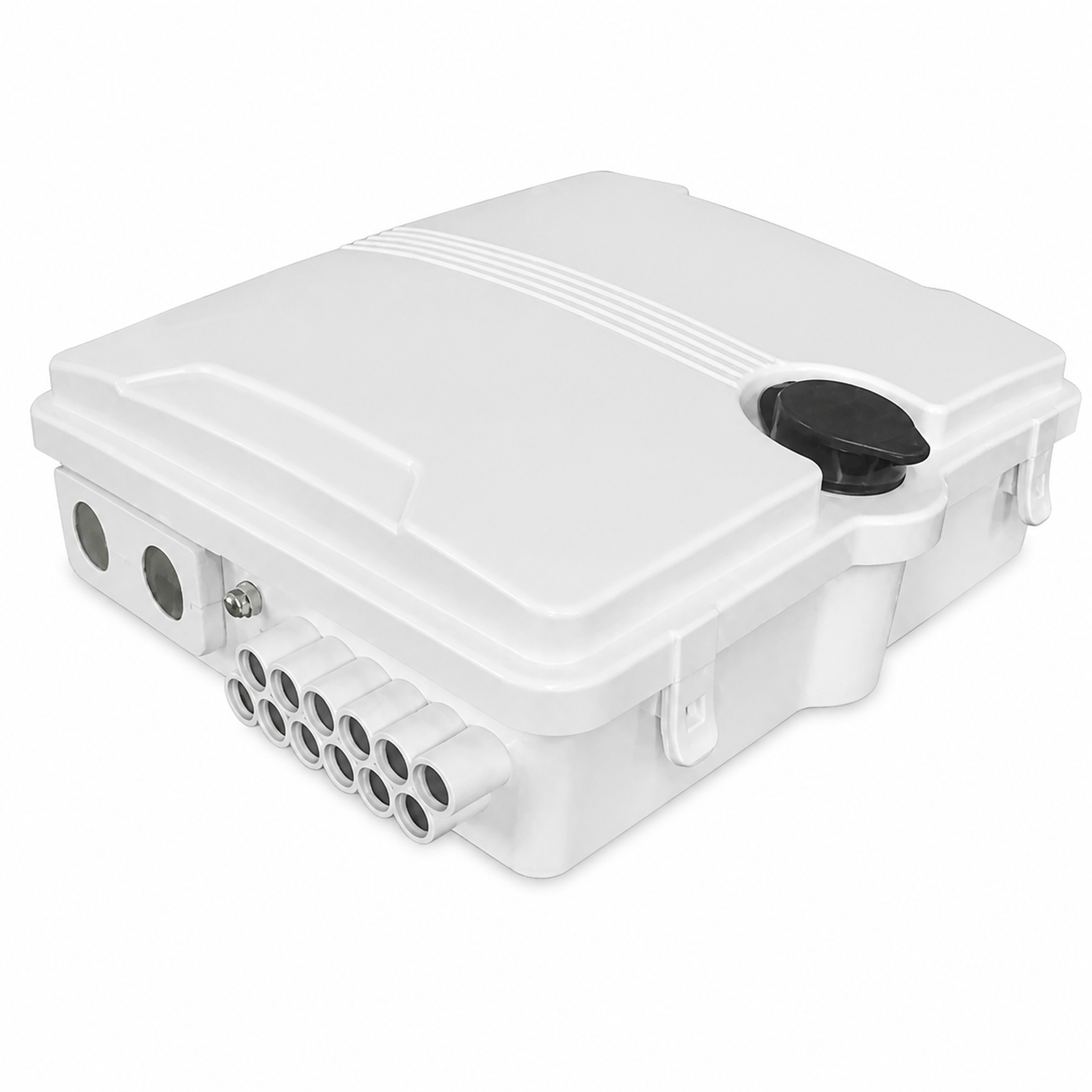
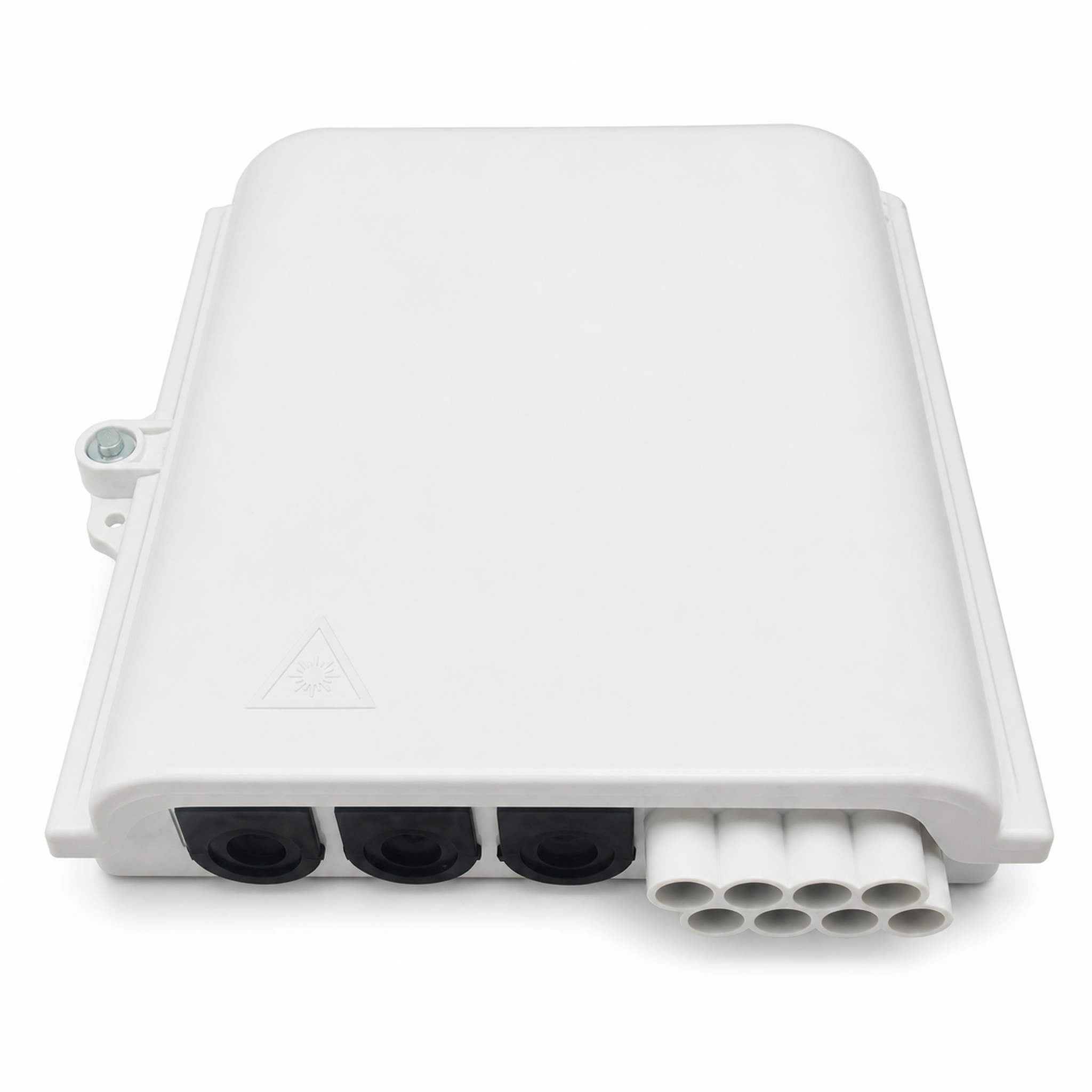
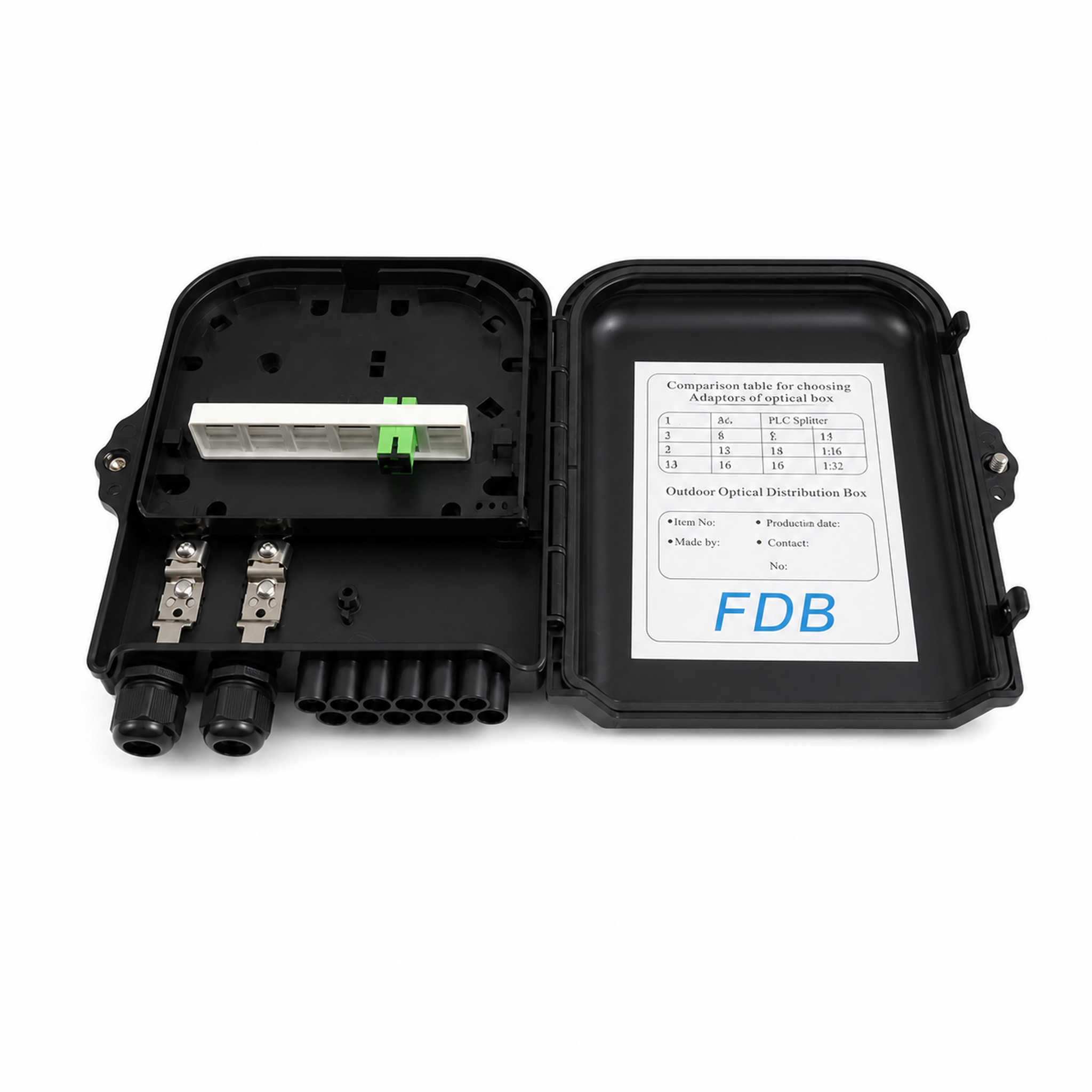
A fiber optic terminal box provides a compact and efficient solution for terminating, splicing, and managing optical fiber connections in FTTH, telecom, enterprise, and building networks. It helps protect fiber connections while keeping cables, adapters, splice points, and termination areas organized for easier installation and maintenance. Different configurations can be selected according to fiber capacity, connector type, splice requirements, cable diameter, and mounting conditions. The compact enclosure design makes it suitable for communication rooms, wall-mounted installations, access points, and indoor fiber distribution locations. By providing a defined connection point, the terminal box can reduce cable congestion and improve fiber identification during testing or troubleshooting. With suitable capacity planning, it can also support additional connections as network requirements grow.
Get A Quote

Case Study

FTTH Network Connection

In FTTH networks, a fiber optic terminal box can provide a convenient transition point between incoming fiber cables and subscriber-side optical connections. It allows installers to organize fiber termination, splicing, and adapter connections within a compact enclosure. The selected configuration can be based on subscriber requirements, fiber count, and installation environment. For residential buildings and multi-user developments, organized connection points help technicians identify individual fibers during installation, testing, and maintenance. Additional capacity can also be considered when future subscriber growth is expected. By keeping fiber routes structured and accessible, the terminal box supports efficient last-mile deployment and provides a practical management solution for optical connections in homes, apartments, offices, and other access network locations.

Indoor Communication Network

Indoor communication systems often require compact fiber management solutions that can be installed in limited spaces such as telecom rooms, equipment areas, and office communication points. A fiber optic terminal box provides a dedicated enclosure for managing terminated and spliced optical fibers while maintaining clear cable routing. Different models can support various fiber capacities, adapter arrangements, and mounting methods according to project needs. During maintenance, technicians can access organized connection areas and identify specific fiber paths more efficiently. For enterprise buildings and communication facilities, this improves installation quality and reduces unnecessary cable handling. The terminal box provides a practical solution for maintaining reliable optical connections while supporting future changes in network structure and service requirements.

Telecom Access Point

Telecom access networks require reliable connection points where fiber cables transition between different network sections. A fiber optic terminal box can provide an organized location for fiber termination, splicing, and cable management at these access points. The configuration can be customized according to fiber capacity, connector type, splice requirements, and installation conditions. A structured enclosure allows technicians to perform testing, troubleshooting, and maintenance more efficiently because connection areas are clearly arranged. For telecom operators and contractors, this approach helps maintain cleaner network infrastructure while reducing difficulties caused by unmanaged fiber routes. As service coverage expands, additional connection capacity can also support new fiber links without requiring major changes to the existing access structure.

Related products

A fiber optic terminal box is designed to provide a compact and organized point for managing optical fiber connections in communication networks. It can support fiber termination, splicing, adapter installation, and cable routing within a protected enclosure, helping technicians maintain a clear connection structure. The box is suitable for FTTH networks, telecom access systems, enterprise communication areas, and indoor fiber installations where efficient use of space is important. When selecting a fiber optic terminal box, key factors include fiber capacity, connector type, splice requirements, cable diameter, mounting method, and installation environment. For smaller access points, a compact design can provide efficient fiber management without requiring larger equipment cabinets. In larger building or telecom projects, multiple terminal boxes can be deployed to organize different service areas. Proper internal routing helps reduce cable congestion and makes individual connections easier to identify during testing, maintenance, and upgrades. With flexible configuration options, a fiber optic terminal box provides a practical solution for structured optical network deployment.

Frequently Asked Questions

What is a fiber optic terminal box?

A fiber optic terminal box is an enclosure used to terminate, splice, and organize optical fiber connections. It provides a protected and structured location for managing adapters, splice points, and fiber cables during installation, testing, maintenance, and network upgrades.
It is commonly used in FTTH networks, telecom access systems, indoor communication rooms, enterprise buildings, and fiber distribution points. The suitable application depends on fiber capacity, connection requirements, installation space, and network architecture.
Consider fiber capacity, adapter type, splice capacity, cable diameter, mounting method, cable entry design, and installation conditions. Future expansion should also be considered to ensure additional fiber connections can be supported when network requirements increase.
Yes. Many fiber optic terminal boxes are designed with space for fiber splicing, splice trays, and connection management. The required configuration depends on the fiber quantity, cable structure, and application requirements of the optical network.
It provides organized fiber management, protects optical connections, reduces cable clutter, and simplifies installation and maintenance. The compact structure also makes it suitable for locations where space efficiency and convenient access to fiber connections are important.

Related article

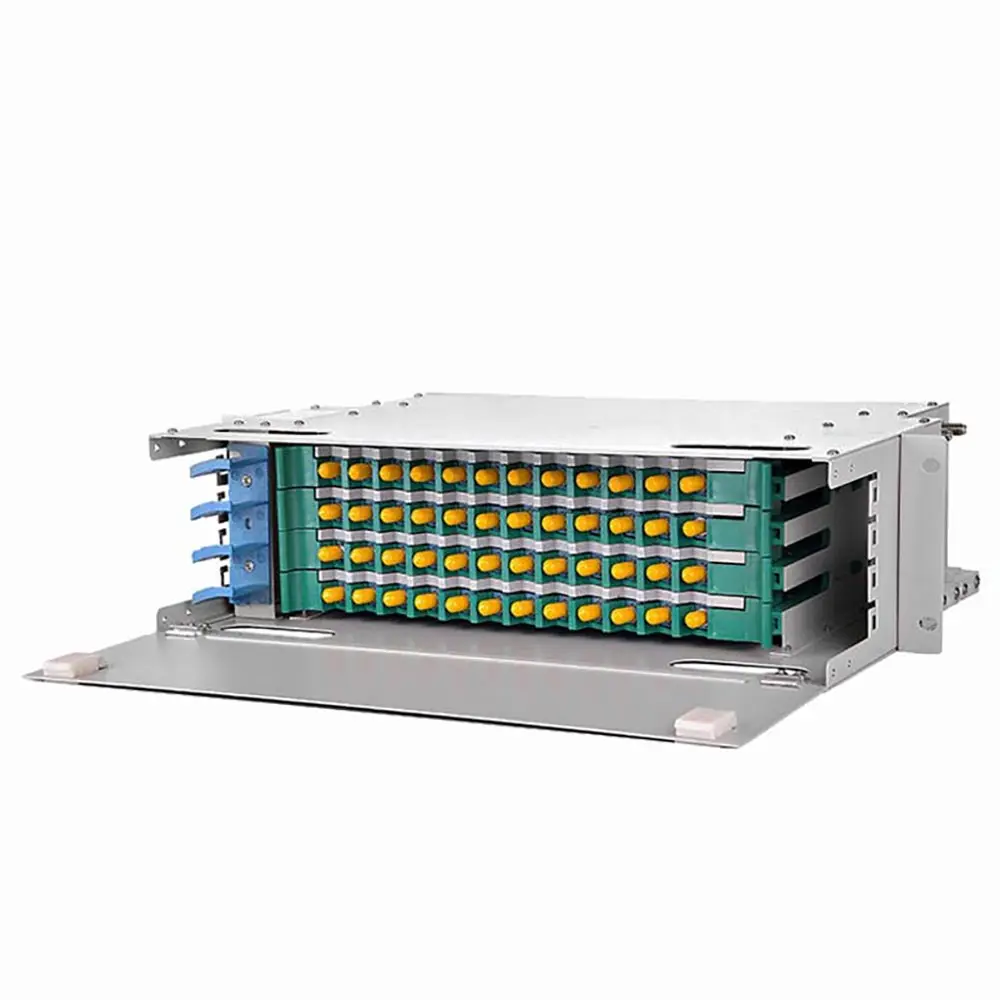
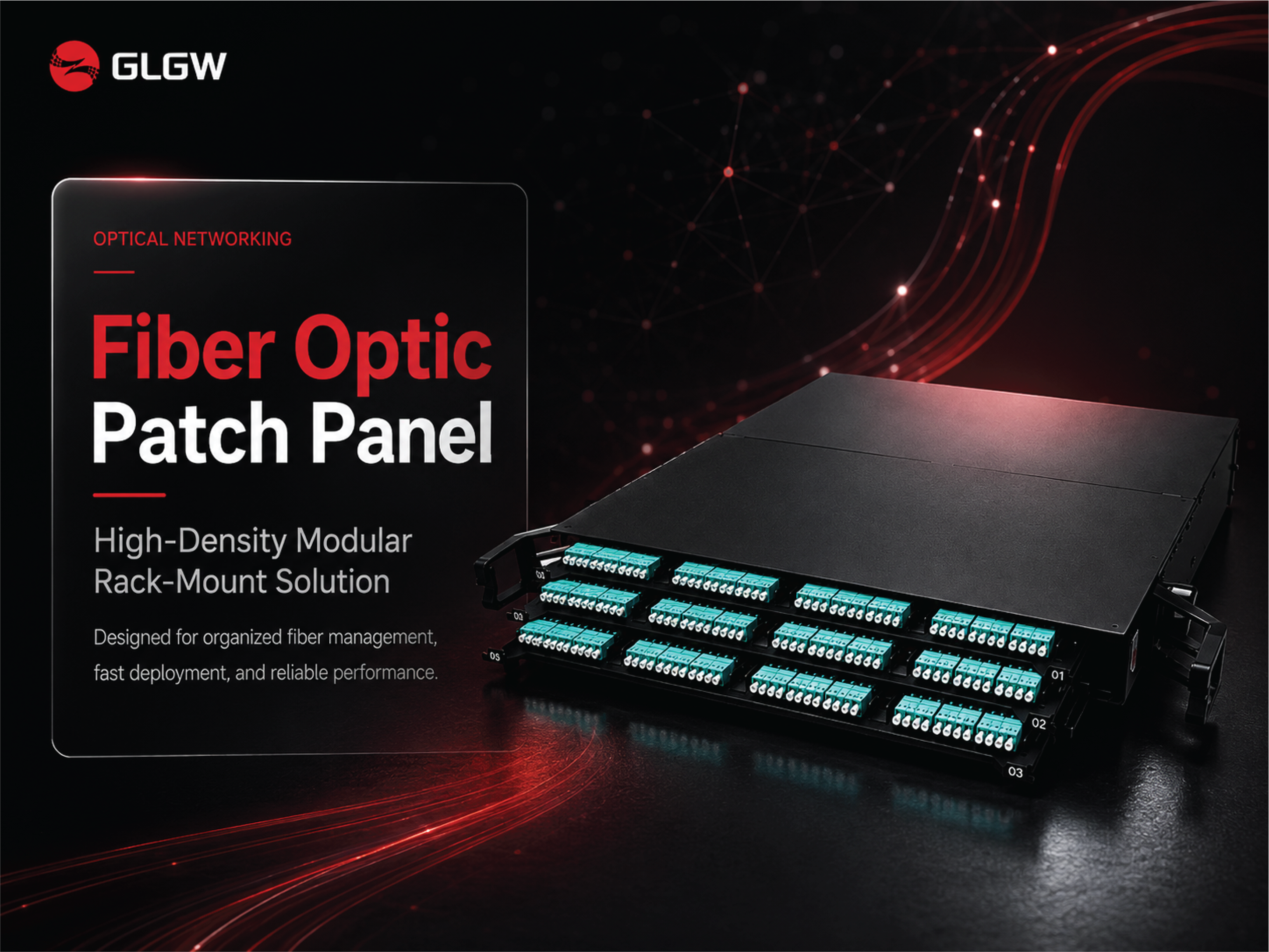
Fiber Optic Patch Panel: High-Density Modular Rack-Mount Solution for Reliable Network Management

21

May

Fiber Optic Patch Panel: High-Density Modular Rack-Mount Solution for Reliable Network Management

Discover how a high-density fiber optic patch panel improves cable organization, network reliability, scalability, and maintenance for data centers, telecom, FTTX, and enterprise networks.
View More
How to lay bulk cable along pipelines safely?

21

Jul

How to lay bulk cable along pipelines safely?

Real World Field Experiences with Industrial Co Location Routing During an extensive industrial network expansion across a remote coastal oil terminal three summers ago, my installation team faced a massive challenge with electromagnetic interferen...
View More
Fiber Cable Tensile Strength for Aerial Installation.

24

Aug

Fiber Cable Tensile Strength for Aerial Installation.

Deploying optical fiber cables in aerial spans across long distances—such as utility poles over valleys, mountain ridges, and expansive rural infrastructure—exposes the cable assembly to continuous mechanical, gravitational, and environ...
View More
What Is the Difference Between LAN Cable and WAN Cable?

01

Sep

What Is the Difference Between LAN Cable and WAN Cable?

Understanding LAN Cable: Types, Standards, Performance, and How to Choose the Right Cable What Is a LAN Cable and Why Is It Important for Modern Networks? A LAN cable is a physical network cable used to connect computers, servers, switches, routers...
View More

Customer Testimonials

Network Installer

“The terminal box provided a clean connection point for our indoor fiber project. Installation was easier, and technicians could access individual fibers quickly during maintenance.”

Telecom Engineer

“We used these boxes for multiple access points and achieved a more organized fiber layout. The compact design worked well in areas with limited installation space.”

Get a Free Quote

Our representative will contact you soon.
Email
Mobile/WhatsApp
Name
Company Name
Message
0/1000
Compact Optical Connection Management

Compact Optical Connection Management

A fiber optic terminal box offers an efficient way to organize optical connections in areas where space and accessibility are important. By combining termination, splicing, adapter installation, and cable routing within one enclosure, it helps create a cleaner fiber management environment. This compact structure is useful for FTTH access points, telecom rooms, office buildings, and enterprise communication areas. Technicians can access defined connection points more easily during installation, testing, and maintenance. Different configurations can be selected according to fiber count, connector type, and splice requirements. By reducing cable congestion and improving connection visibility, the terminal box supports more efficient optical network management while providing a practical solution for smaller and intermediate fiber distribution applications.
Flexible Fiber Configuration Options

Flexible Fiber Configuration Options

Fiber installation requirements can vary depending on network size, connection density, and available space. A fiber optic terminal box can be configured according to specific project needs, including fiber capacity, adapter quantity, splice requirements, cable diameter, and mounting method. Smaller deployments can use compact models for limited connection points, while larger projects can select higher-capacity options for more organized fiber management. Considering future expansion during the selection process allows additional connections to be added without replacing the enclosure. This flexibility makes terminal boxes suitable for different applications, including residential FTTH, commercial buildings, telecom access networks, and enterprise communication systems. A suitable configuration helps balance current requirements with long-term network development.
Easy Installation and Maintenance

Easy Installation and Maintenance

A well-designed fiber optic terminal box can simplify both installation and maintenance by providing a clear structure for managing optical connections. Incoming cables, splice points, adapters, and outgoing fibers can be arranged according to the network layout, allowing technicians to identify individual connections more efficiently. During troubleshooting or upgrades, organized routing reduces unnecessary handling of surrounding fibers and helps maintain connection reliability. The compact enclosure also allows installation in locations where larger fiber cabinets may not be practical. For network operators, contractors, and installers, accessible fiber management improves daily maintenance efficiency and supports future connection changes. This makes the fiber optic terminal box a practical component for building organized and scalable optical communication networks.

Get a Free Quote

Our representative will contact you soon.
Email
Mobile/WhatsApp
Name
Company Name
Message
0/1000