
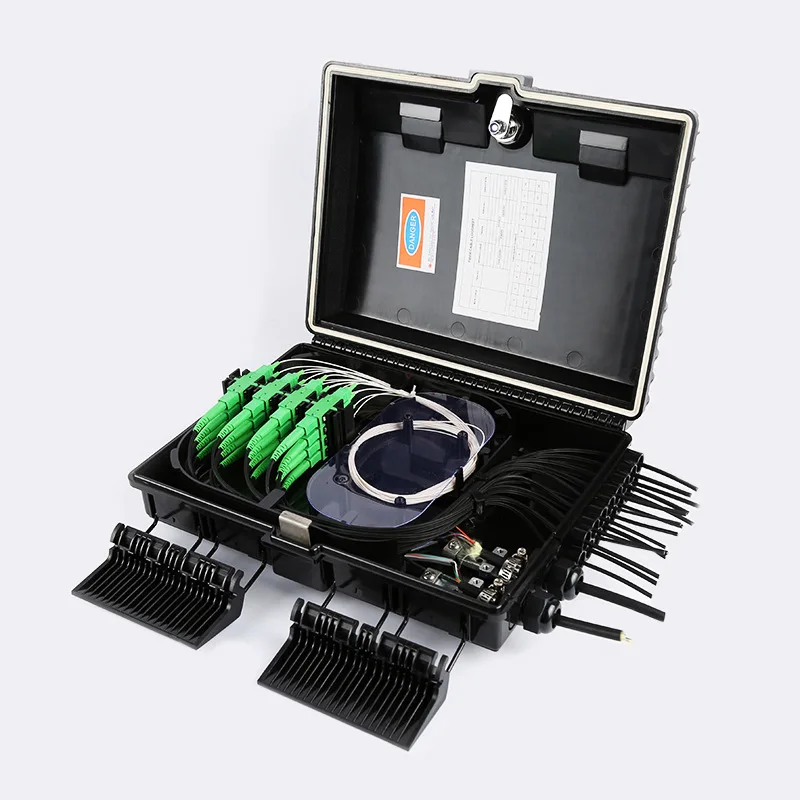
Fiber Optic Enclosure: IP65 FTTH Access Terminals

All Categories
Organized Protection for Fiber Splicing and Connections

Organized Protection for Fiber Splicing and Connections

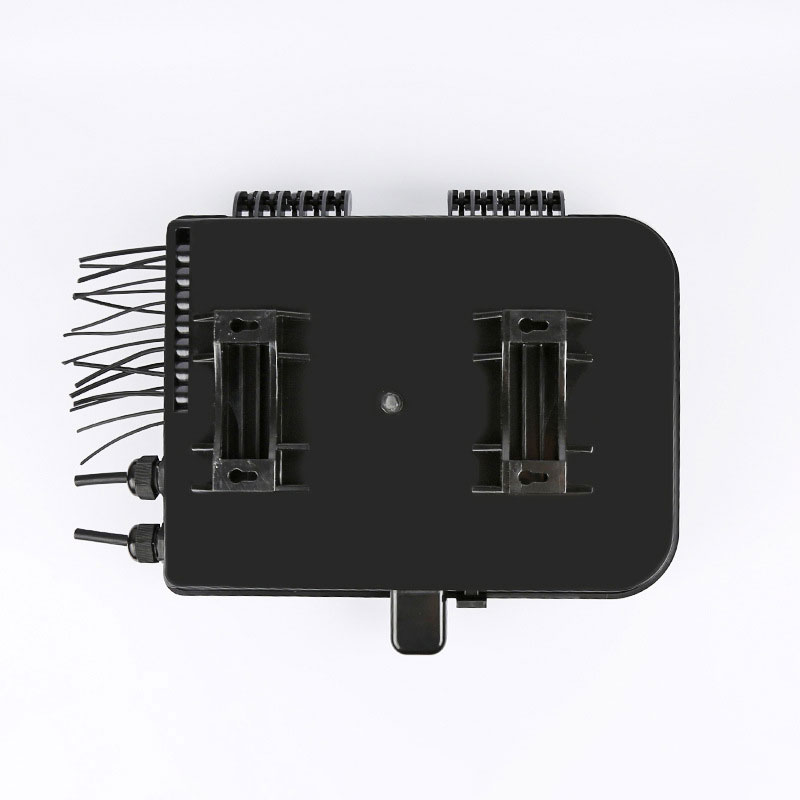
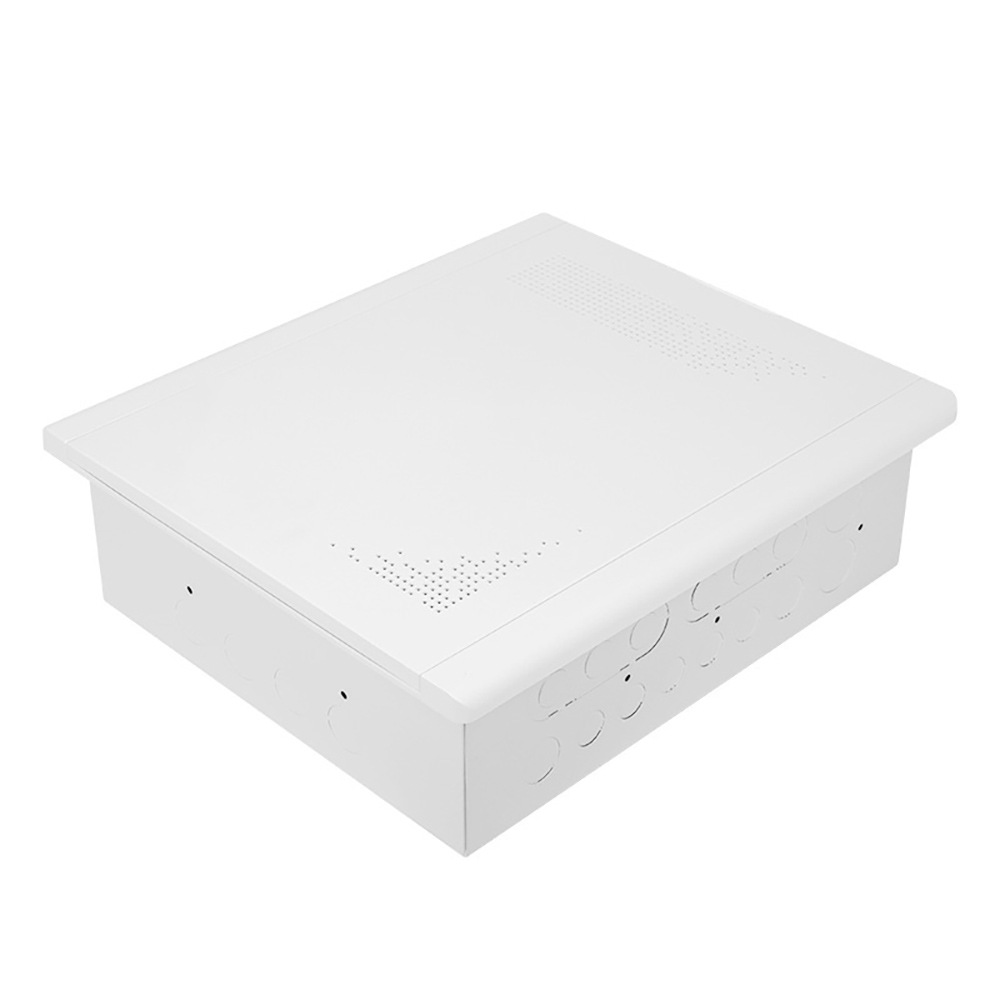
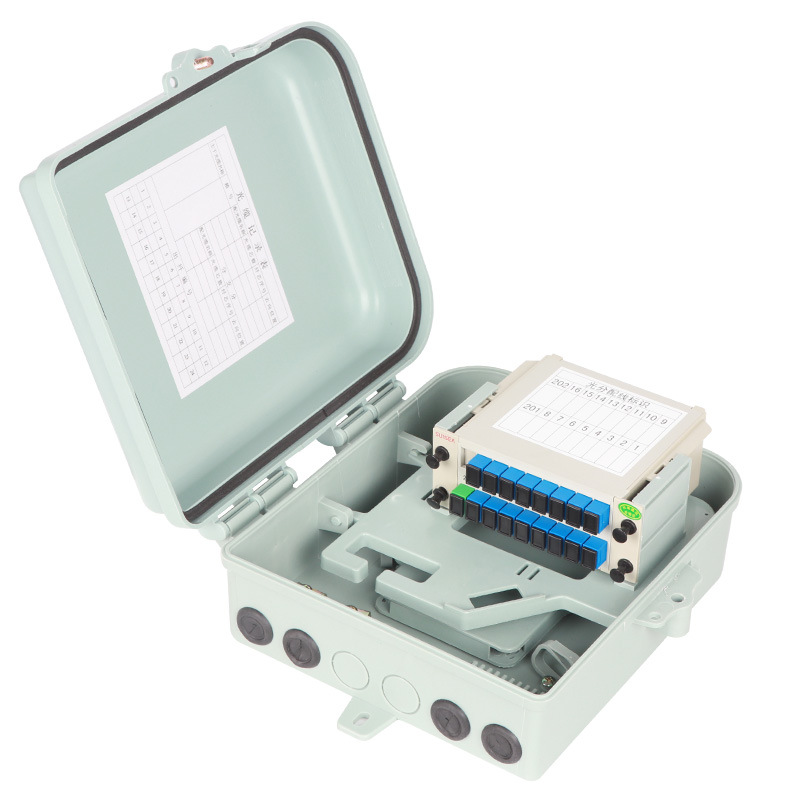
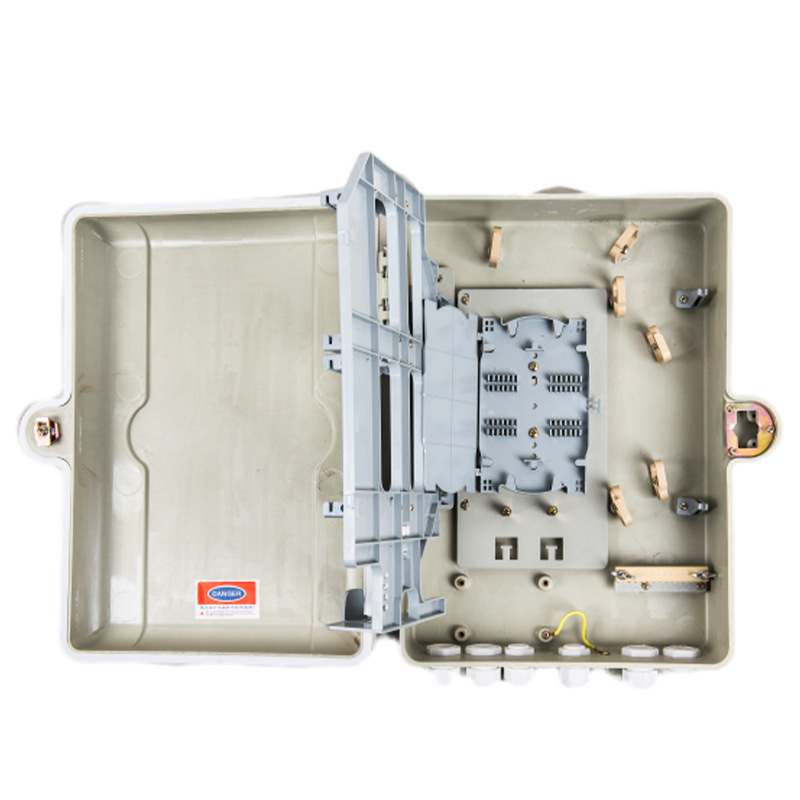
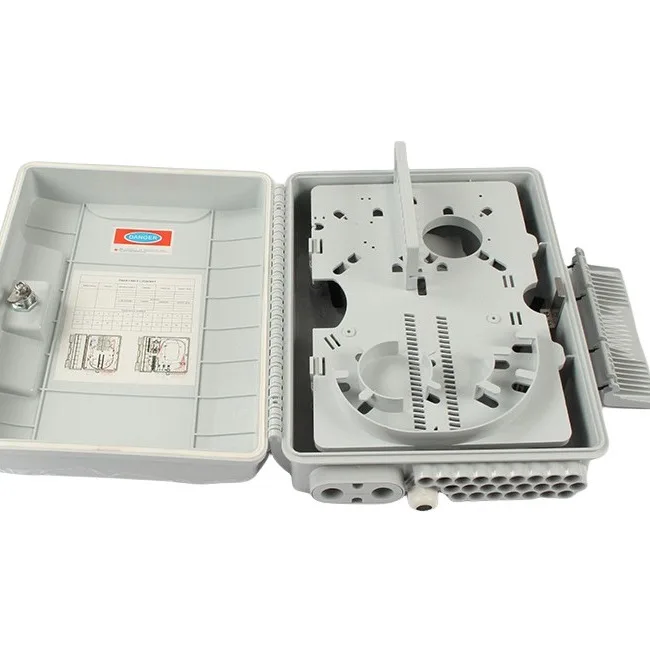
A fiber optic enclosure provides a protected and organized space for managing optical fiber splices, connectors, cable transitions, and routing points. It can be configured for different fiber capacities, cable entry methods, mounting requirements, and connection interfaces according to the network design. Internal storage and routing help protect fibers from excessive bending, cable movement, and accidental disturbance during maintenance. Fiber optic enclosures are suitable for FTTH, telecom, data center, enterprise, campus, and selected outdoor network applications. Depending on project conditions, configurations can support wall-mounted, rack-mounted, cabinet-based, or other installation environments. A properly selected enclosure also creates easier access for testing, troubleshooting, and future network expansion.
Get A Quote

Case Study

Residential Fiber Network

A fiber optic enclosure can provide a structured point for managing feeder, distribution, and subscriber fibers in residential FTTH installations. Incoming cables can be organized through dedicated entry points before fibers are spliced, terminated, or routed toward individual subscribers. Internal fiber storage helps control routing and protects connection areas during routine maintenance. For larger residential developments, the enclosure can be configured to accommodate multiple fiber branches while maintaining an organized layout. This approach helps installation teams create clearer connection points and provides technicians with easier access when testing or expanding the network.

Telecom Network Connection

In telecom access networks, a fiber optic enclosure can be used to protect and organize fiber connections at distribution points. It can accommodate splice management, adapter interfaces, cable storage, and controlled routing within a compact enclosure. The configuration can be selected according to fiber capacity, cable diameter, connector requirements, and installation location. By keeping fiber transitions separated and identifiable, technicians can perform maintenance more efficiently and reduce unnecessary disturbance to adjacent cables. The enclosure can also provide additional capacity for network extensions when future subscriber or branch connections are expected.

Data Center Fiber Management

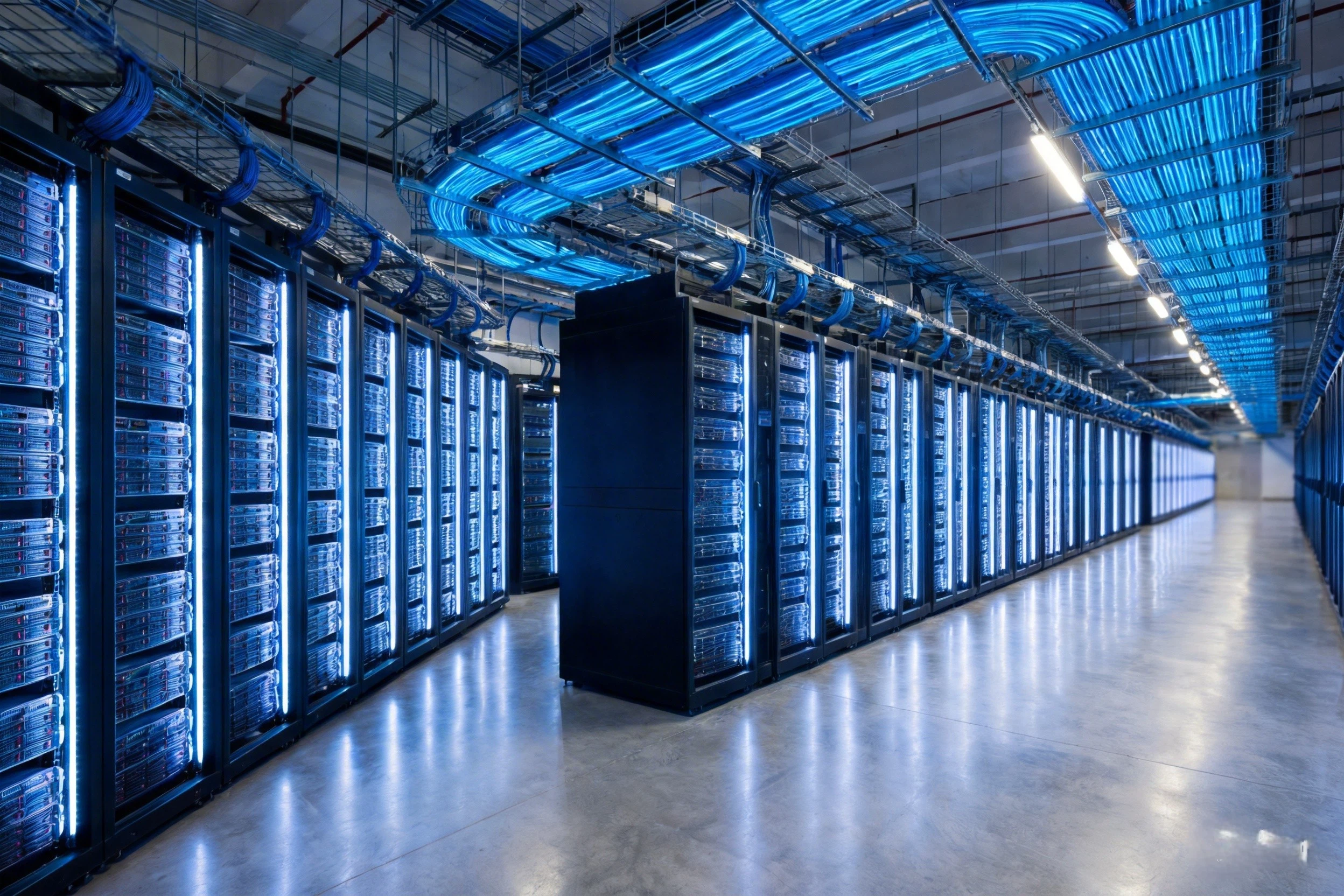
A fiber optic enclosure can help organize optical connections in data center and enterprise network environments where cable density and maintenance access are important. It provides a defined location for fiber termination, splicing, cable transitions, and storage while helping technicians maintain controlled routing. Depending on the rack or cabinet design, the enclosure can be configured for suitable mounting and connection interfaces. A structured layout makes it easier to identify individual fiber routes during testing or troubleshooting. For growing infrastructure, selecting appropriate capacity from the beginning can also provide practical room for additional optical connections.

Related products

A fiber optic enclosure is designed to protect and organize optical fiber connections in telecommunications and network infrastructure. It can provide a controlled environment for fiber splicing, termination, patching, cable storage, and transitions between different fiber routes. Depending on the application, the enclosure may incorporate splice trays, adapter panels, cable entry ports, fiber routing channels, and mounting structures. These components help technicians maintain organized connections while reducing unnecessary stress on optical fibers. Fiber optic enclosures can be used in FTTH deployments, telecom distribution networks, data centers, enterprise systems, campus networks, and suitable outdoor applications. When selecting an enclosure, consider fiber count, cable diameter, splice capacity, connector type, mounting location, environmental conditions, and future expansion requirements. The right configuration can simplify installation and maintenance while providing a practical foundation for organized fiber network growth.

Frequently Asked Questions

What is a fiber optic enclosure?

A fiber optic enclosure is a protective housing designed to organize and manage optical fiber splices, terminations, connections, and cable storage. It helps protect sensitive fibers while providing technicians with a structured location for installation, inspection, testing, maintenance, and future network expansion.
Fiber optic enclosures are commonly used in FTTH networks, telecom facilities, data centers, enterprise networks, campus infrastructure, and selected outdoor installations. The appropriate design depends on fiber capacity, mounting location, cable routing requirements, environmental conditions, and connection architecture.
Yes. A suitable enclosure can incorporate splice trays or other fiber management components for organizing fusion-spliced fibers. The available splice capacity depends on the enclosure configuration, fiber count, tray design, and project requirements. These factors should be confirmed before selecting the enclosure.
Consider the required fiber count, cable diameter, splice quantity, connector interface, mounting method, cable entry direction, bend-radius requirements, and operating environment. It is also useful to consider future expansion so additional fibers can be integrated without creating difficult routing or maintenance conditions.
Some configurations can be designed for protected outdoor environments when the enclosure structure, sealing, cable entry, and mounting method are appropriate. Outdoor applications should consider moisture, temperature changes, physical exposure, and maintenance requirements when selecting the suitable enclosure configuration.

Related article

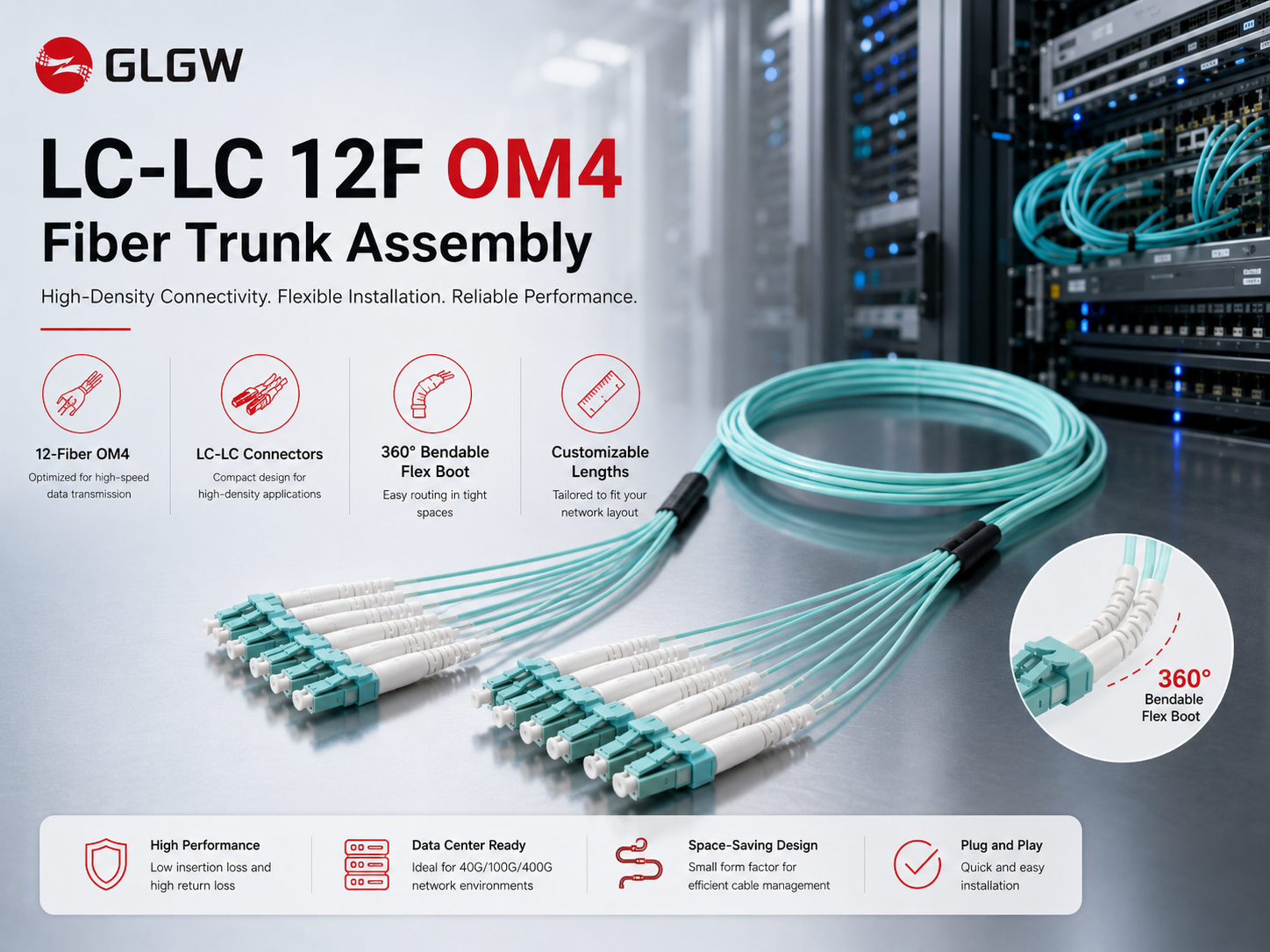
LC-LC 12F OM4 Fiber Trunk Assembly for High-Density Data Centers

21

May

LC-LC 12F OM4 Fiber Trunk Assembly for High-Density Data Centers

GLGW LC-LC 12F OM4 Fiber Trunk Assembly is designed for high-density data center connectivity, offering reliable performance, flexible installation, and clean cable management. With 12-fiber OM4 multimode fiber, LC-LC connectors, customizable lengths, and a 360° bendable flex boot, it provides an efficient solution for server racks, network cabinets, structured cabling systems, and modern data center infrastructure.
View More
Patch cord bending radius affects network performance.

17

Jun

Patch cord bending radius affects network performance.

Real-world cases showing the impact of improper bending on daily network operation Working in the structured cabling and network connectivity sector for over sixteen years, I have witnessed countless network faults traced back to unreasonable bend...
View More
Fiber Optic Cable Deployment for Data Center Backbone.

25

Jun

Fiber Optic Cable Deployment for Data Center Backbone.

Real-world Project Cases Reflecting the Value of Standardized Fiber Optic Cable Deployment With more than sixteen years working in structured cabling and data center infrastructure construction, I have taken charge of dozens of data center backbon...
View More
What Connector Types for Ethernet Patch Cable?

18

Jul

What Connector Types for Ethernet Patch Cable?

Real World Field Challenges with Commercial Network Overhauls During a massive network overhaul for an e-commerce fulfillment hub last year, my deployment team faced an unexpected wave of packet drops and intermittent link drops across the main pac...
View More

Customer Testimonials

Robert Wilson

“The enclosure helped our technicians keep splice points and cable transitions organized during a network expansion. The structured routing made testing and maintenance noticeably easier.”

Kevin Miller

“We needed a compact solution for managing several fiber connections. The enclosure provided practical cable organization and made future connection changes easier for our installation team.”

Get a Free Quote

Our representative will contact you soon.
Email
Mobile/WhatsApp
Name
Company Name
Message
0/1000
Protected Fiber Connections

Protected Fiber Connections

A fiber optic enclosure creates a dedicated space for protecting sensitive optical connections and organizing cable transitions. Depending on the configuration, it can accommodate splice trays, adapter panels, fiber storage, and controlled cable routing. Keeping these components inside a structured enclosure helps reduce accidental movement and protects fibers from unnecessary bending during maintenance activities. The enclosure can be selected according to the network's fiber capacity and installation conditions, making it suitable for different access and distribution scenarios. For technicians, a clearly organized connection area also makes individual fiber routes easier to identify during inspection, testing, repair, or network modification.
Flexible Installation Options

Flexible Installation Options

Fiber optic enclosures can be configured for different installation environments and network layouts. Depending on project requirements, mounting options may include wall-mounted, cabinet-based, rack-related, or other structured installation approaches. Cable entry and routing arrangements can also be selected according to the direction and size of incoming and outgoing cables. This flexibility allows the enclosure to fit residential FTTH networks, telecom rooms, enterprise facilities, data centers, and suitable outdoor applications. Before installation, teams should evaluate available space, cable bend radius, fiber capacity, maintenance access, and connection interfaces. Selecting the appropriate configuration helps create a cleaner fiber deployment and reduces the need for major rework when the network expands.
Scalable Fiber Infrastructure

Scalable Fiber Infrastructure

A properly planned fiber optic enclosure can support both current connections and future network expansion. Fiber capacity, splice arrangements, adapter interfaces, and cable storage can be selected according to the expected network architecture. This is useful for projects where additional subscribers, distribution branches, or optical equipment may be introduced later. Organized internal routing helps technicians add or modify connections while keeping existing fibers clearly separated. The enclosure can therefore serve as a practical management point within FTTH, telecom, enterprise, campus, and data center infrastructure. By considering future capacity during the initial installation, network operators can maintain a more consistent fiber management structure as connection requirements increase.

Get a Free Quote

Our representative will contact you soon.
Email
Mobile/WhatsApp
Name
Company Name
Message
0/1000