
 EN
EN
Fiber Optic Splice Closures for an Industrial Park
Protecting Critical Splice Points Fiber Optic Splice Closures for an Industrial Park Network
Industry: Industrial Parks / Campus Communications / Outdoor Fiber Networks
Core Products: Fiber Optic Splice Closures and Splicing Accessories
Project Highlights: Splice Protection · Branch Management · Maintenance Accessibility
Customer Background
An industrial park plans to build a fiber backbone connecting its office areas, production facilities, warehouses, and security nodes. Cables will follow existing duct routes, with splice and branch points at multiple locations to support current operations and future factory expansion.
The customer needs a solution that suits the installation environment and allows fiber splice connections to be accurately documented and maintained over time.
Challenges and Pain Points
1. Splice points may be exposed to moisture, dust, and challenging installation conditions.
2. Cable outer diameters, constructions, and fiber counts vary between route sections.
3. Branches running in multiple directions make fiber management and subsequent tracing more complex.
4. Adding new branches requires care to minimize disturbance to adjacent fibers carrying live services.
GLGW Proposed Solution
Select Splice Closures to Suit Route Conditions
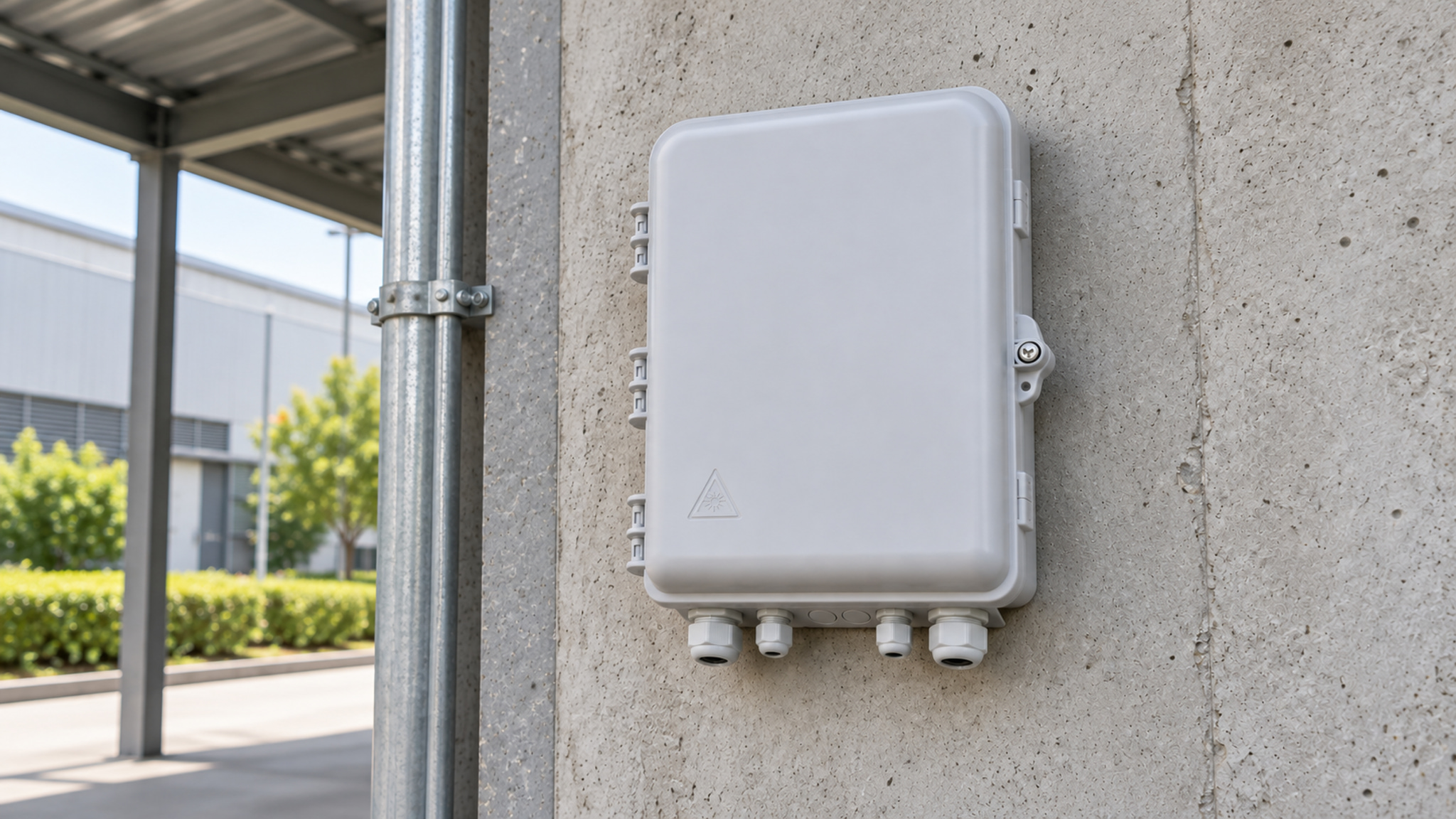
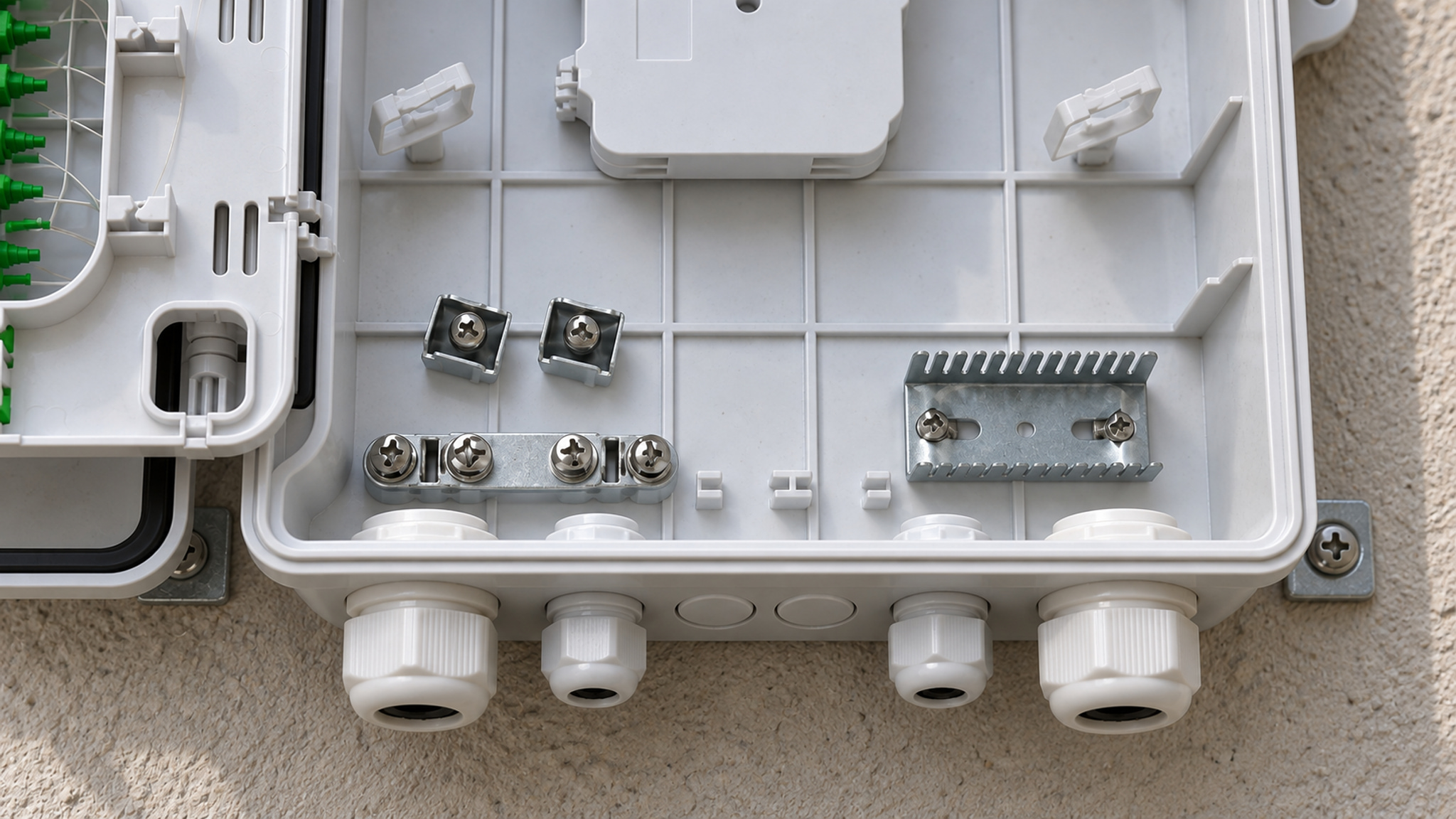
Select suitable splice closure designs, sealing methods, and mounting accessories based on the installation environment, cable outer diameters, number of cable entries and exits, and required splice capacity. For manholes or other specific environments, verify that the selected model is suitable for the intended conditions.
Standardize Cable Fixing and Fiber Organization
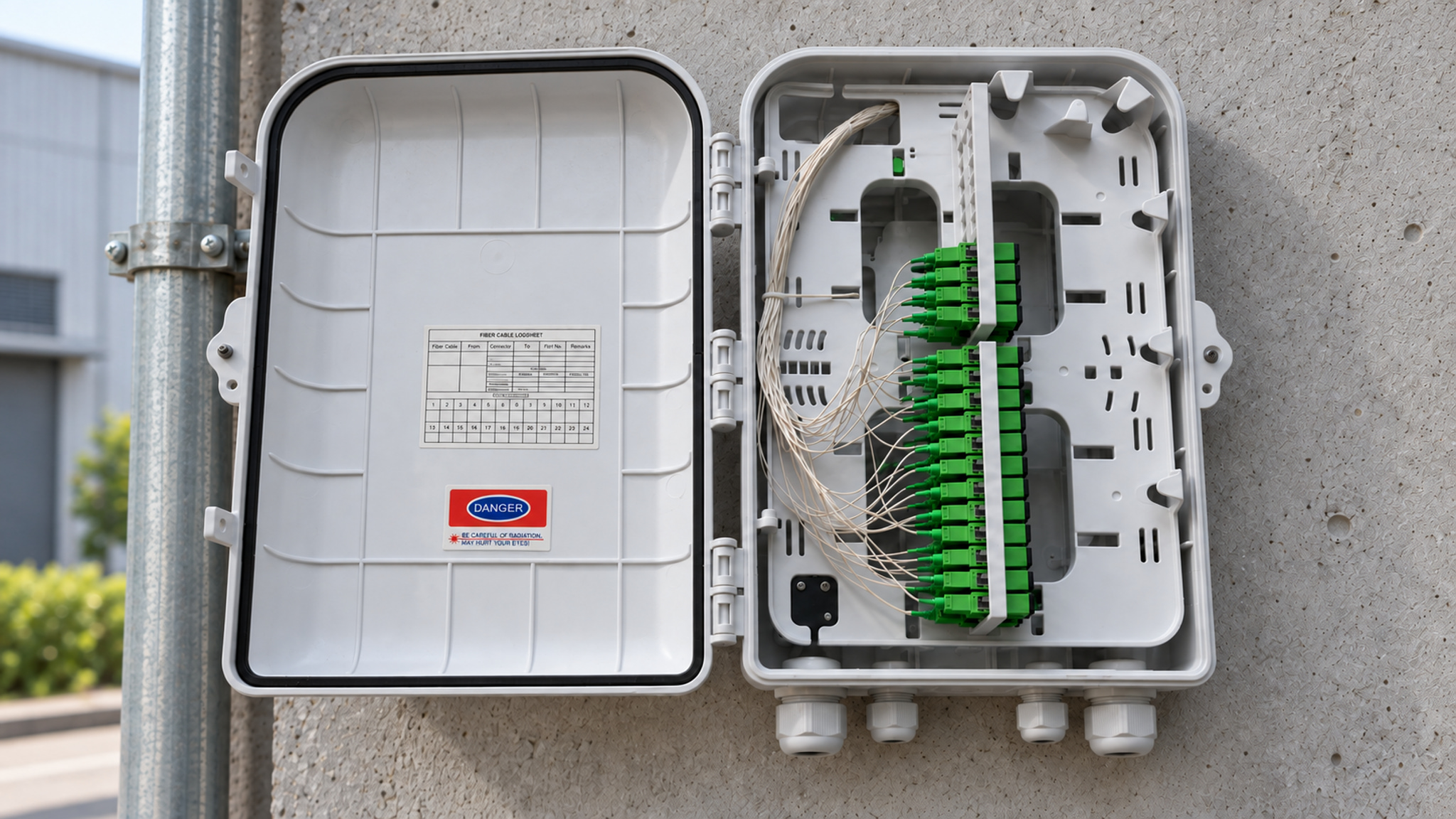
Specify cable fixing and strength member securing arrangements to suit the cable construction. Use splice trays to organize splices and fiber slack, and group and label fibers by route direction so that the physical arrangement matches the splice diagram.
Maintain Records for Expansion and Reinspection
Reserve additional splice capacity where the design permits, and document cable directions, fiber assignments, and test results. After reopening a closure, inspect and restore its seals according to the product requirements and complete the necessary reinspection and testing.
Key Products and Components
Fiber optic splice closures, splice trays, sealing components, cable fixing accessories, and mounting brackets. Installation and acceptance activities may also use fusion splicers, optical power meters, and optical time-domain reflectometers (OTDRs).
Expected Results and Value
The solution provides splice protection and fiber management space suited to the installation environment. Complete splice records can support future expansion, fault location, and maintenance handover.
Project Data to Add: Number of splice points, route length served, splice loss measurements, seal inspection results, and maintenance records.