Indoor Fiber Termination Box: Compact, Organized FTTH Solutions

All Categories
Compact Indoor Fiber Termination Box for Organized and Accessible Optical Fiber Connections

Compact Indoor Fiber Termination Box for Organized and Accessible Optical Fiber Connections

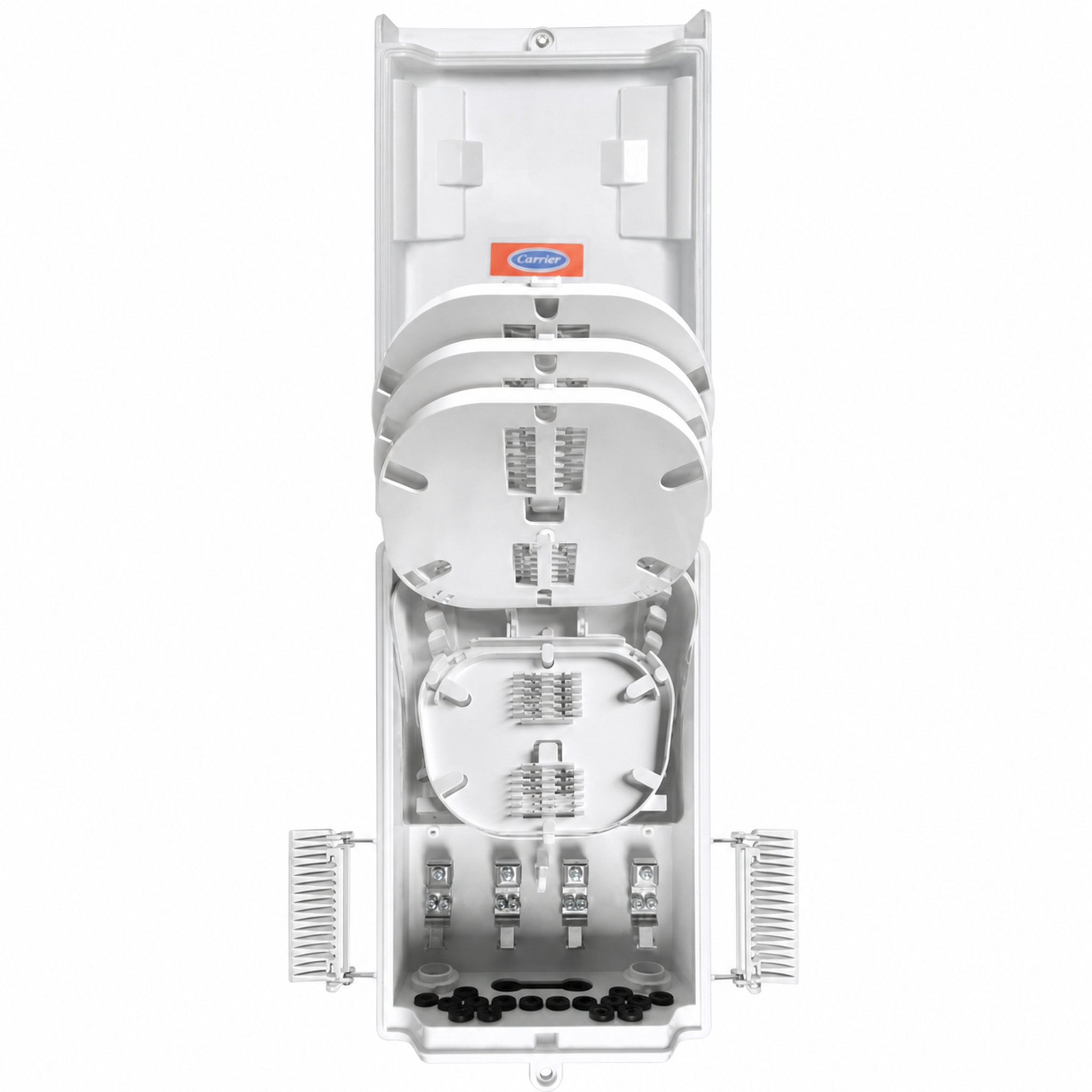
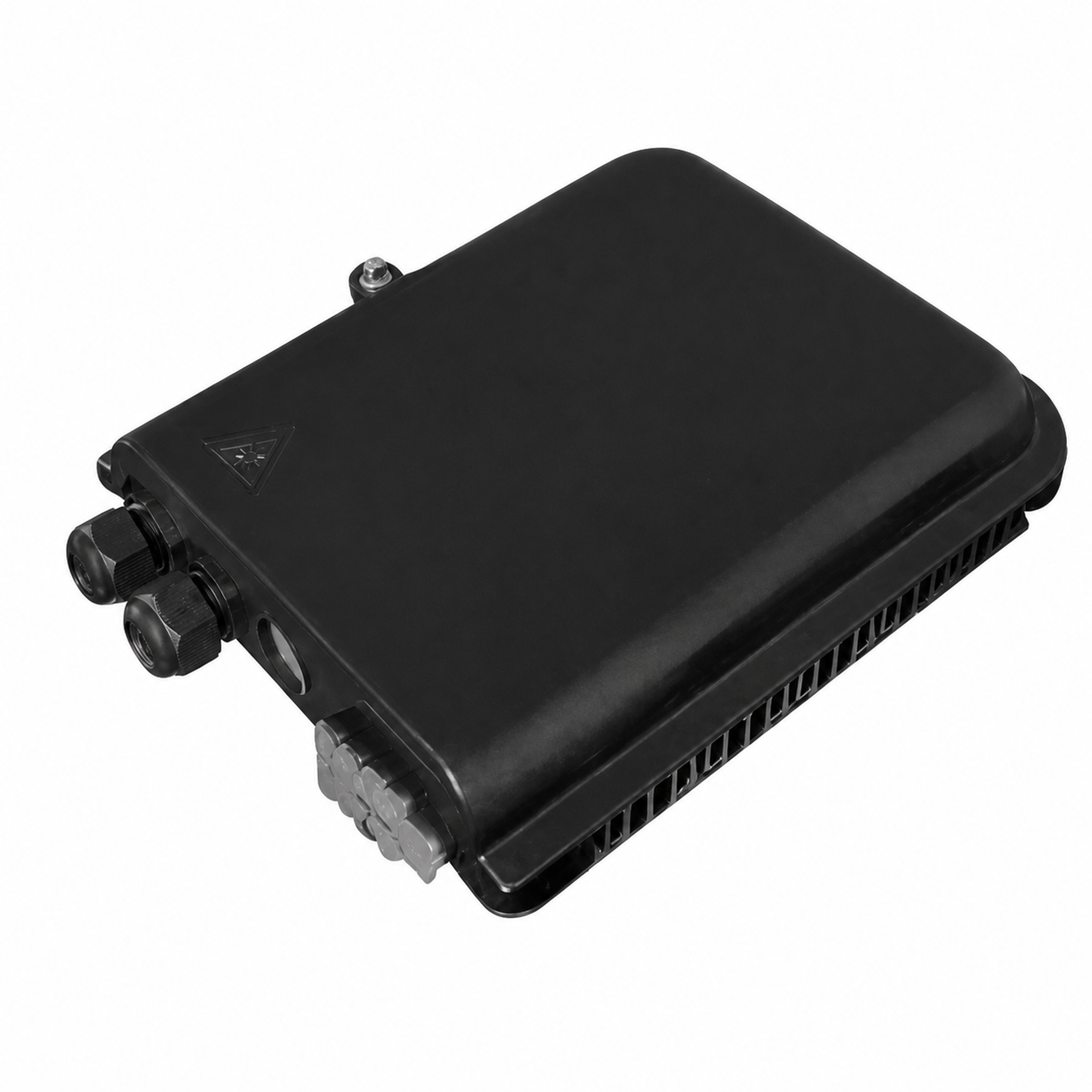
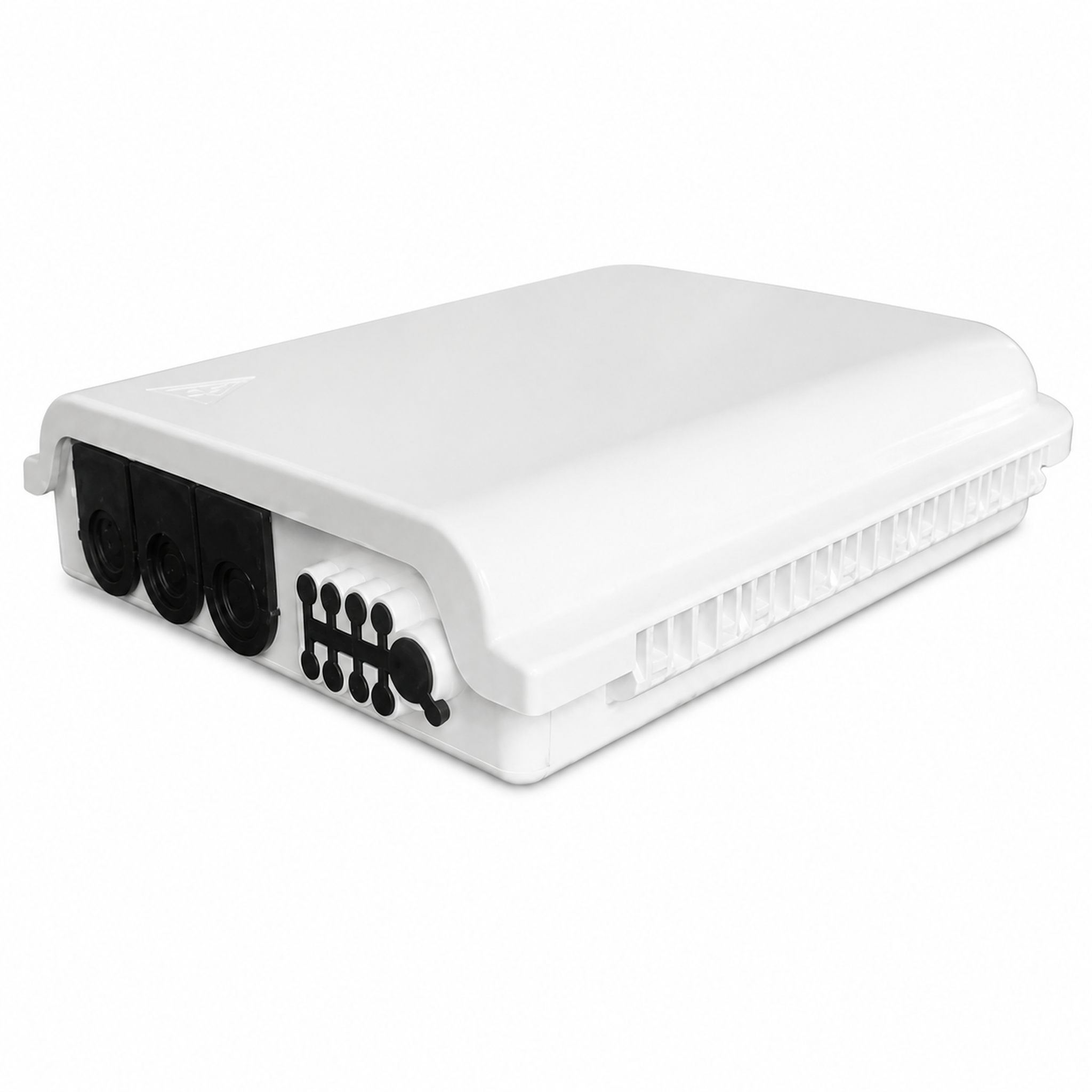
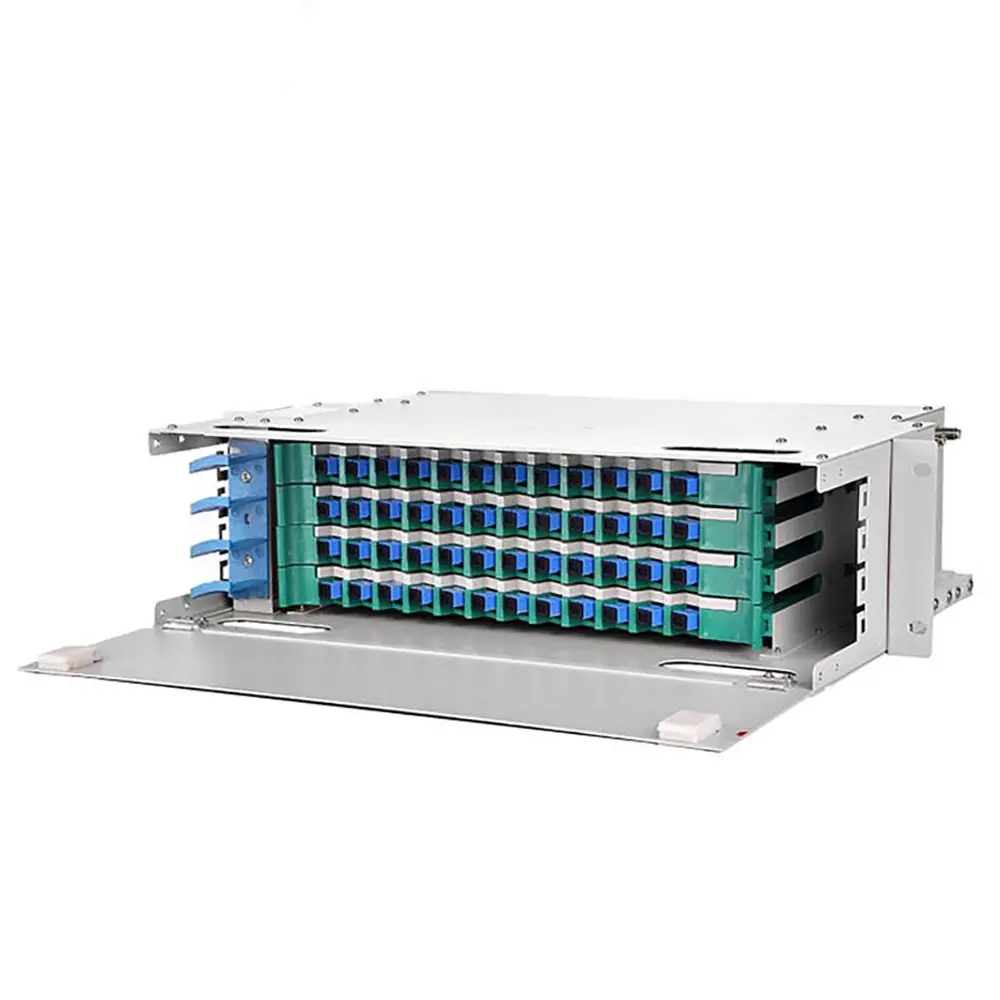
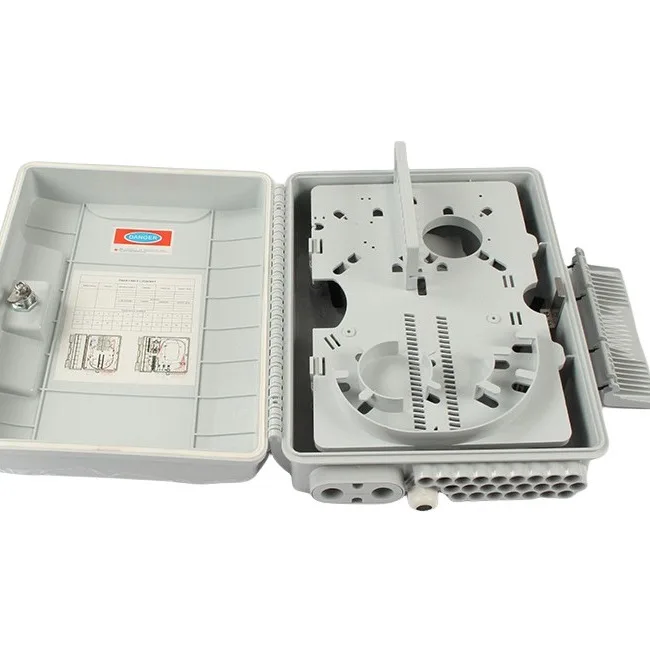
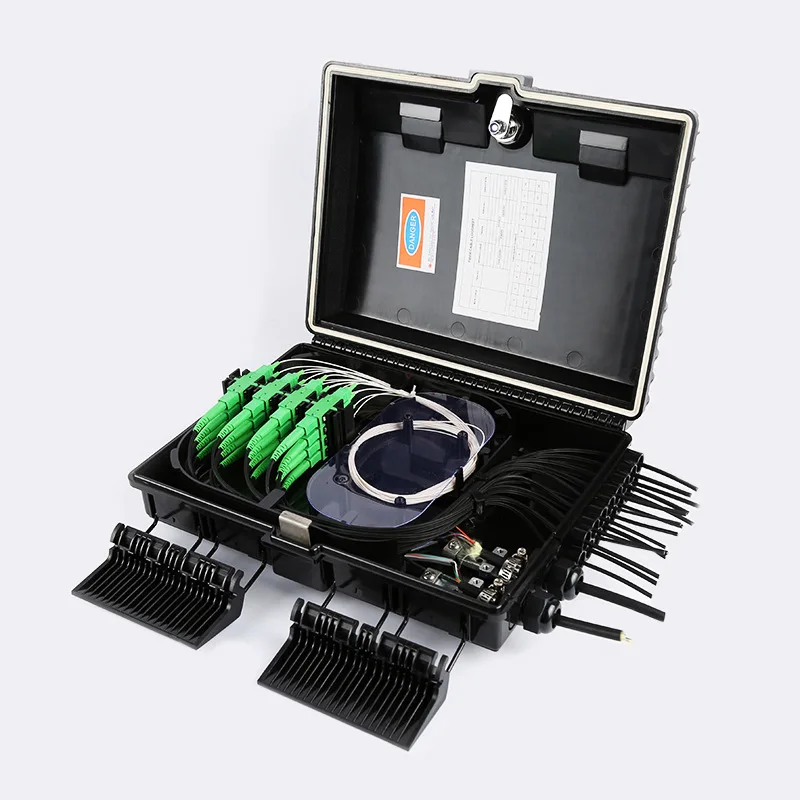
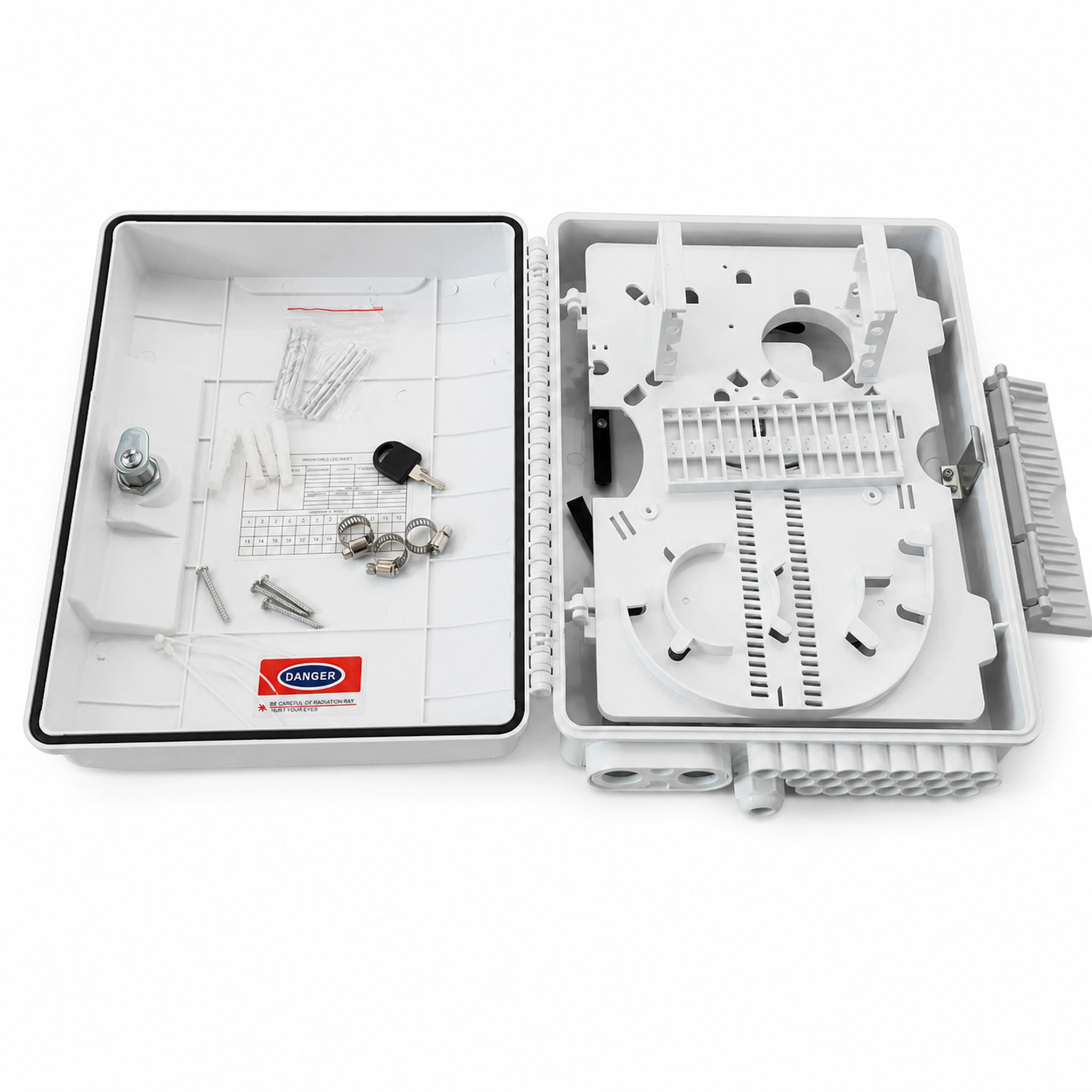
An indoor fiber termination box provides a practical enclosure for terminating, organizing, and protecting optical fiber connections inside buildings and communication facilities. It can manage incoming fiber cables, adapters, splice points, and termination connections according to the network configuration. Its compact structure makes it suitable for telecom rooms, equipment rooms, office buildings, residential properties, and indoor FTTH installations where space and accessibility are important. Different capacities can be selected according to fiber count, connector type, cable diameter, and installation requirements. By keeping fiber termination points organized, the box helps reduce cable clutter and makes individual connections easier to identify during installation and maintenance. It can also provide room for additional connections when the network requires gradual expansion, supporting a cleaner and more manageable indoor fiber infrastructure.
Get A Quote

Case Study

Residential FTTH Installation

In an indoor FTTH installation, a fiber termination box can provide a defined connection point between incoming feeder fibers and subscriber-side optical cables. It can be installed in a suitable indoor communication area, helping installers organize termination points, adapters, and splice connections within a compact enclosure. The internal arrangement can be selected according to the required fiber count and connector configuration. For apartment buildings and residential properties, clear fiber management can make individual subscriber connections easier to identify during service installation or maintenance. Where additional users are expected, selecting sufficient capacity can provide room for future connections. This creates a more orderly indoor fiber infrastructure while reducing unnecessary cable movement around communication equipment and termination areas.

Telecom Equipment Room

Telecom equipment rooms often contain multiple fiber cables connecting access networks, transmission equipment, and distribution systems. An indoor fiber termination box can centralize termination and splice points while keeping fiber connections arranged in a defined enclosure. Incoming cables can be routed according to service areas or equipment connections, helping technicians identify individual fibers more efficiently. The box can be selected according to fiber capacity, adapter type, splice requirements, and available installation space. A structured termination point is particularly useful when technicians need to inspect or replace individual connections without disturbing adjacent fibers. By maintaining organized cable routing, the termination box supports more efficient installation, testing, troubleshooting, and routine maintenance within indoor communication facilities.

Commercial Building Fiber Network

Commercial buildings may require fiber connections for offices, tenants, security systems, and internal communication infrastructure. An indoor fiber termination box can provide a centralized point for terminating and organizing optical cables within communication rooms or designated network areas. Different fiber capacities and adapter configurations can be selected according to the building's network requirements. Organizing termination points in a dedicated enclosure makes cable identification easier and can simplify future service changes. When new offices or network connections are added, available capacity can help technicians integrate additional fibers without restructuring the entire termination area. This approach provides a practical solution for maintaining orderly indoor fiber infrastructure across office buildings, commercial properties, and other facilities with growing connectivity requirements.

Related products

An indoor fiber termination box is designed to provide a compact and organized point for terminating and managing optical fiber connections inside buildings. It can accommodate incoming fiber cables, adapters, splice points, and termination components depending on the selected configuration. The enclosure helps keep connection points organized and accessible, making it suitable for telecom rooms, FTTH installations, office buildings, and equipment areas. When selecting an indoor fiber termination box, important considerations include fiber capacity, connector type, cable diameter, splice requirements, mounting method, and available installation space. For residential and commercial networks, a compact enclosure can help maintain a cleaner communication area while providing technicians with easier access to individual fiber connections. Where network expansion is expected, additional capacity can be considered during initial planning. A properly selected termination box can simplify fiber routing, inspection, testing, and maintenance while reducing cable congestion. By providing a dedicated termination location, it supports structured optical network deployment and easier long-term fiber management.

Frequently Asked Questions

What is an indoor fiber termination box?

An indoor fiber termination box is an enclosure used to terminate, organize, splice, and manage optical fiber connections inside buildings. It provides a defined location for adapters, fiber cables, and termination points while keeping connections accessible for installation and maintenance.
They are commonly used in telecom rooms, equipment rooms, residential buildings, commercial properties, office networks, and indoor FTTH installations. The suitable location depends on cable routing, fiber capacity, network architecture, and available installation space.
Consider fiber capacity, connector type, cable diameter, splice requirements, mounting method, and available space. It is also useful to consider future expansion if additional fiber connections may be required as the network develops.
Many configurations can provide space for fiber splicing, depending on the internal structure and available capacity. The required splice capacity should be determined according to the number of fibers and the cable construction used in the installation.
It provides a centralized and organized location for fiber termination and connection management. This can reduce cable clutter, improve connection identification, and make installation, testing, troubleshooting, and routine maintenance more convenient for technicians.

Related article

Intelligent Cabling Solutions for Future Networks

21

May

Intelligent Cabling Solutions for Future Networks

View More
Fiber Optic Patch Panel: High-Density Modular Rack-Mount Solution for Reliable Network Management

21

May

Fiber Optic Patch Panel: High-Density Modular Rack-Mount Solution for Reliable Network Management

Discover how a high-density fiber optic patch panel improves cable organization, network reliability, scalability, and maintenance for data centers, telecom, FTTX, and enterprise networks.
View More
How to lay bulk cable along pipelines safely?

21

Jul

How to lay bulk cable along pipelines safely?

Real World Field Experiences with Industrial Co Location Routing During an extensive industrial network expansion across a remote coastal oil terminal three summers ago, my installation team faced a massive challenge with electromagnetic interferen...
View More
Fiber Cable Tensile Strength for Aerial Installation.

24

Aug

Fiber Cable Tensile Strength for Aerial Installation.

Deploying optical fiber cables in aerial spans across long distances—such as utility poles over valleys, mountain ridges, and expansive rural infrastructure—exposes the cable assembly to continuous mechanical, gravitational, and environ...
View More

Customer Testimonials

Telecom Installer

“The compact box helped us organize several termination points in a limited communication room. Technicians could identify and access individual fiber connections much faster during maintenance.”

Network Technician

“We installed the termination boxes across a commercial building and achieved a much cleaner fiber layout. The reserved capacity also helped when additional office connections were added.”

Get a Free Quote

Our representative will contact you soon.
Email
Mobile/WhatsApp
Name
Company Name
Message
0/1000
Compact Fiber Termination Management

Compact Fiber Termination Management

An indoor fiber termination box provides a dedicated enclosure for managing optical fiber termination points in buildings and communication facilities. Incoming cables, adapters, splice points, and termination connections can be organized according to the network architecture, helping technicians maintain clearer fiber paths. Its compact design is particularly useful where installation space is limited, such as telecom rooms, office communication areas, and residential FTTH locations. By keeping termination points inside a structured enclosure, the box can reduce cable clutter and make individual connections easier to identify. Different configurations can be selected according to fiber capacity and connector requirements. This provides a practical solution for creating cleaner indoor fiber installations while making inspection, testing, maintenance, and future connection changes more convenient.
Flexible Fiber Capacity and Connections

Flexible Fiber Capacity and Connections

Indoor fiber networks can vary from a small residential installation to a larger commercial communication system, so termination capacity should be selected according to the project requirements. An indoor fiber termination box can be configured around factors such as fiber count, adapter type, splice capacity, cable diameter, and available mounting space. Smaller applications may prioritize a compact footprint, while larger installations may require additional connection capacity. Future expansion should also be considered when selecting the enclosure, especially in commercial buildings where new offices or users may be added. Planning suitable capacity in advance can reduce unnecessary replacement work later. With an appropriate configuration, the termination box can support both current fiber connections and gradual network development.
Accessible Indoor Maintenance

Accessible Indoor Maintenance

A well-organized termination enclosure can simplify routine fiber maintenance by providing technicians with accessible connection points and clearer cable routing. Instead of managing loose termination cables throughout a communication area, installers can use defined internal paths to organize fibers according to service areas or connection groups. This can make testing, troubleshooting, and replacement work more efficient while reducing unnecessary handling of adjacent connections. For FTTH, telecom, and commercial building networks, accessible termination points are especially useful when services are installed or modified in stages. Spare capacity can also provide room for future fiber additions without requiring immediate changes to the entire infrastructure. The result is a cleaner and more manageable indoor optical network that supports ongoing maintenance and expansion.

Get a Free Quote

Our representative will contact you soon.
Email
Mobile/WhatsApp
Name
Company Name
Message
0/1000