Outdoor Telecom Cabinet: Secure FTTH & Wireless Infrastructure

All Categories
Secure and Organized Infrastructure for Outdoor Telecom Networks

Secure and Organized Infrastructure for Outdoor Telecom Networks

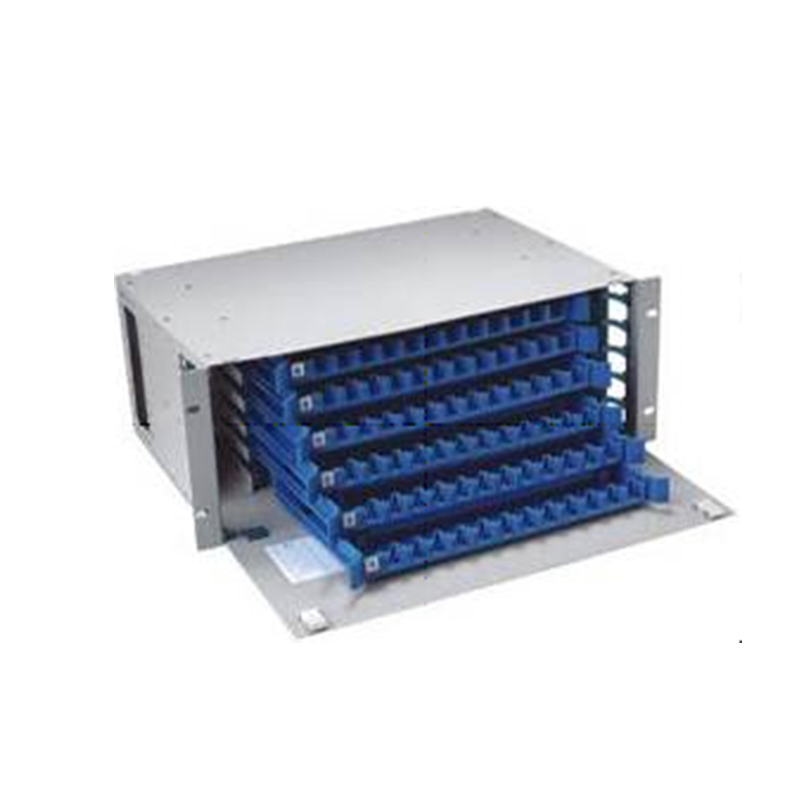
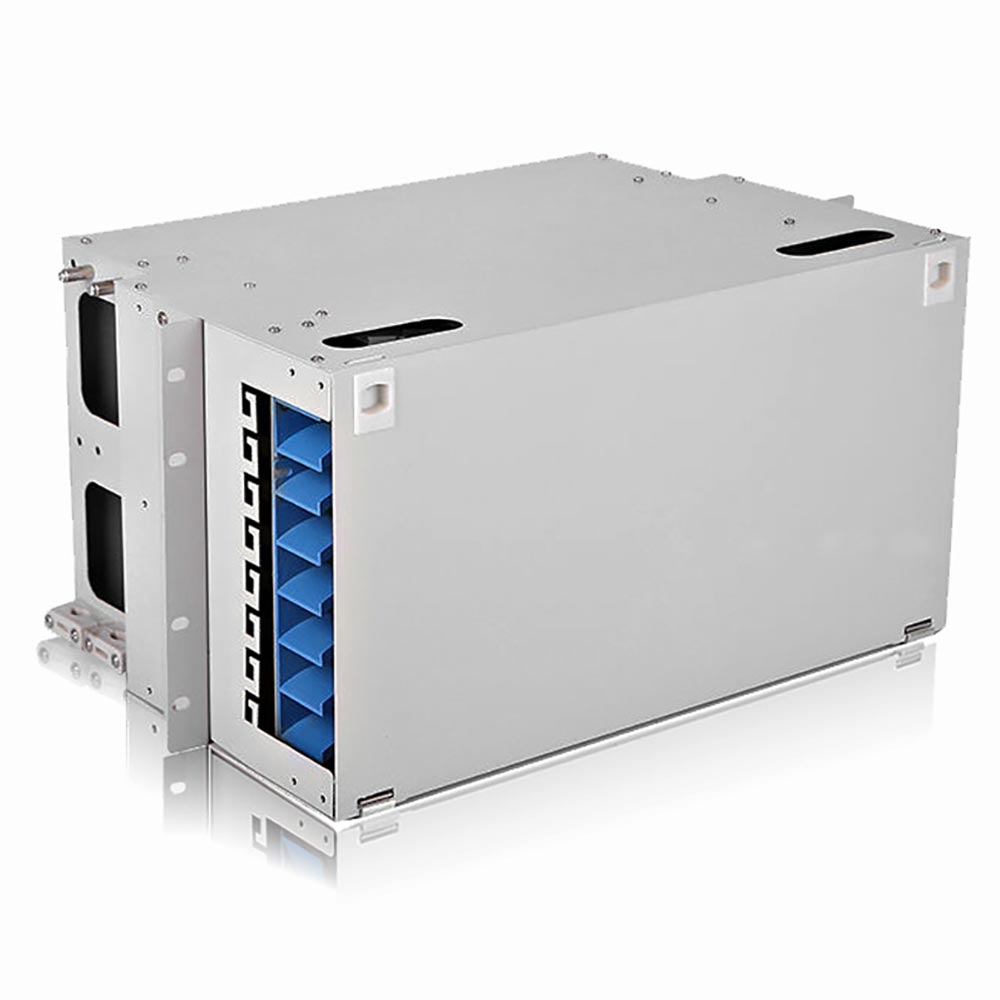
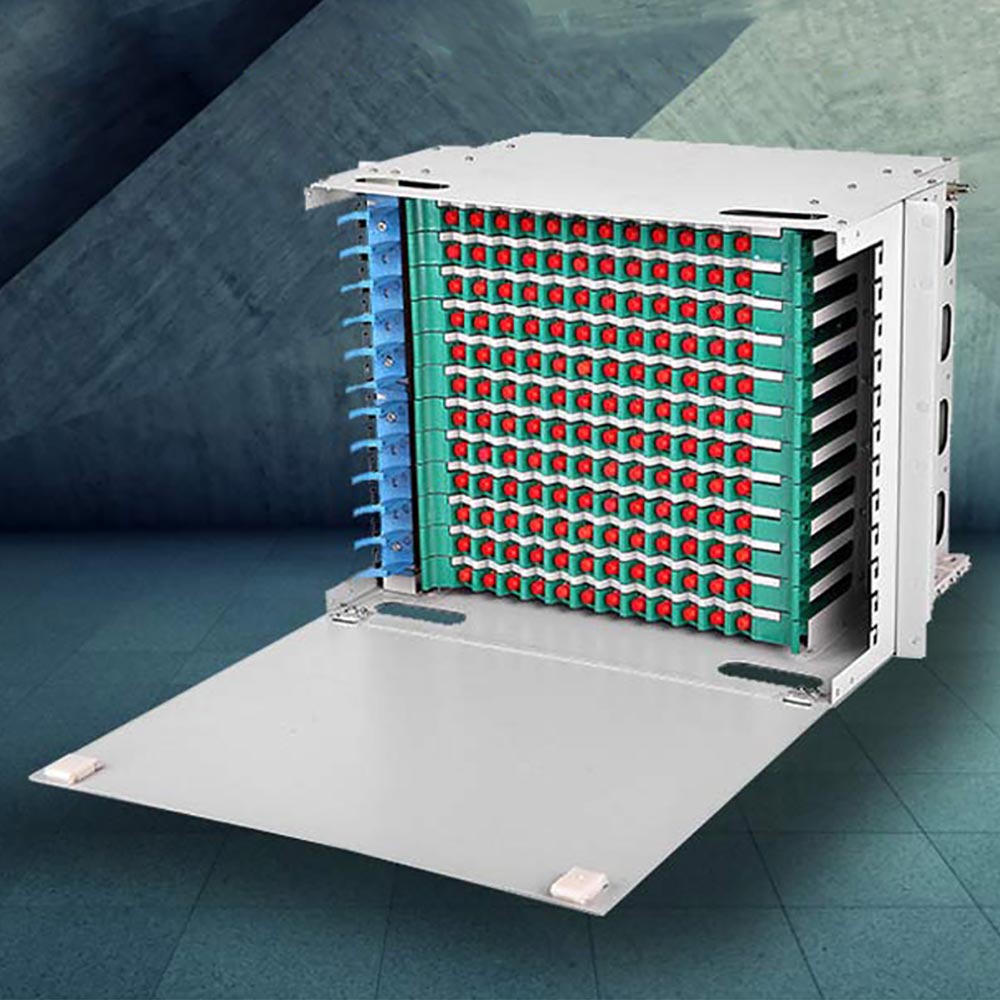
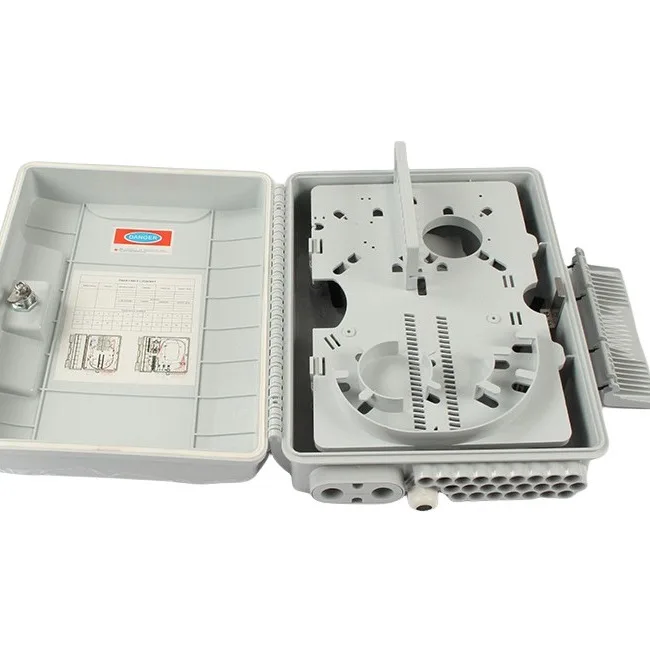
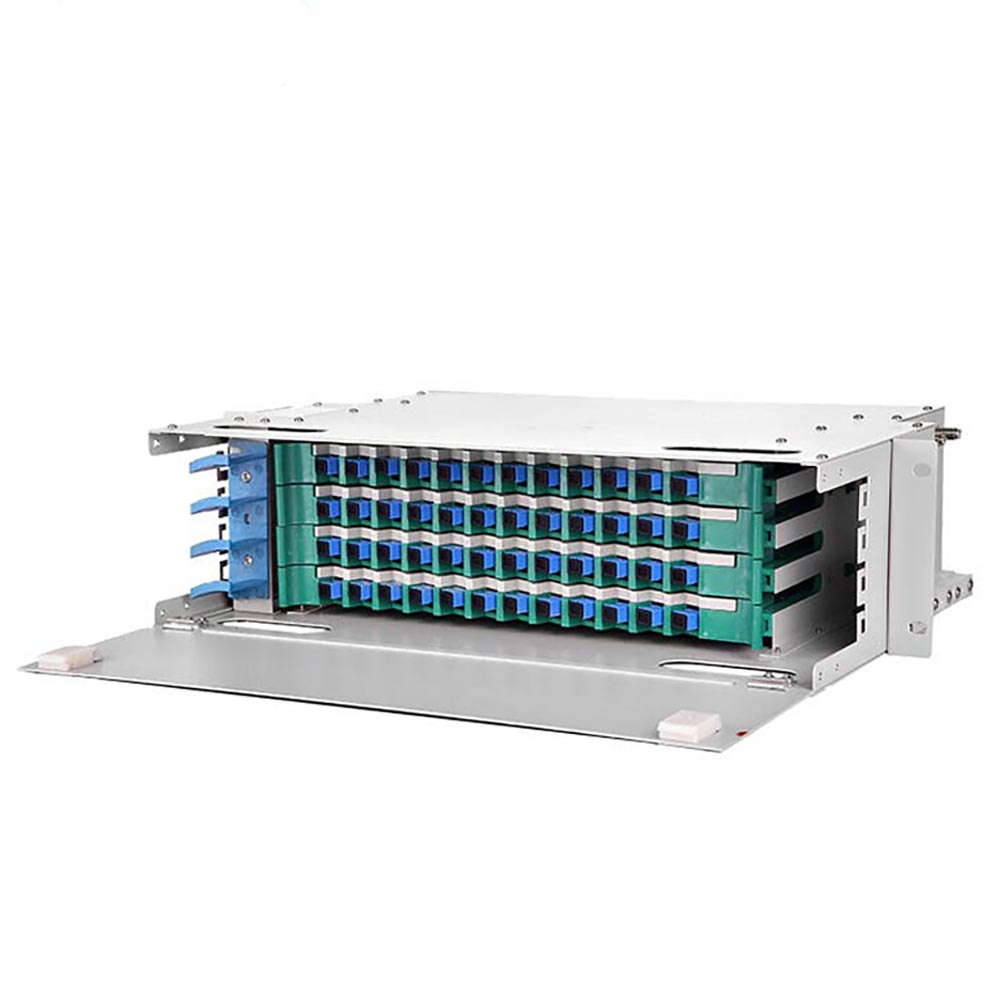
An outdoor telecom cabinet provides a structured enclosure for fiber equipment, network switches, power systems, and communication components deployed outside traditional equipment rooms. It can be configured with rack units, fiber distribution modules, splice trays, cable management, power distribution, and cooling equipment according to project requirements. For example, a telecom access site supporting 96 fiber connections and several network devices can use a centralized cabinet to organize incoming and outgoing connections. Proper internal routing helps technicians identify cables and access equipment during maintenance. Outdoor deployments may support FTTH, wireless communication, roadside networks, enterprise campuses, and remote communication stations. Cabinet selection should consider equipment capacity, environmental exposure, power demand, cooling requirements, installation space, security, and future network expansion.
Get A Quote

Case Study

FTTH Network Distribution

An FTTH project required a centralized outdoor equipment point for connecting feeder fiber with several neighborhood distribution routes. The outdoor telecom cabinet was configured with fiber management components, cable routing areas, and space for network equipment. The initial installation supported approximately 96 fiber connections, while additional internal capacity was reserved for future subscriber growth. Engineers planned cable entry directions and maintenance access to keep splice and distribution areas organized. The cabinet provided a practical location for managing optical connections and supporting network equipment near the service area. As coverage expanded, the structured layout allowed additional distribution components to be considered without redesigning the complete site infrastructure.

Wireless Communication Site

A wireless communication operator needed an outdoor enclosure for network equipment and power components at a remote communication station. The cabinet was planned around several switches, transmission devices, power distribution equipment, and fiber connections. Cooling requirements were evaluated according to the expected equipment heat load and local operating conditions. Cable routing was organized to separate different connection paths and simplify maintenance. Technicians could access individual devices through the service area without unnecessarily disturbing neighboring equipment. This configuration created a centralized infrastructure point for the communication site while allowing additional equipment to be considered as network capacity requirements increased.

Roadside Network Infrastructure

A transportation network required outdoor telecom equipment at multiple roadside locations to support communication and monitoring systems. Each site used an outdoor telecom cabinet to house network switches, fiber distribution components, power equipment, and supporting electronics. The cabinet arrangement was designed around available installation space and the number of incoming and outgoing cables. At one location, approximately 12 network devices were installed, with spare rack capacity reserved for future expansion. Organized cable management helped technicians identify connections during scheduled service visits. The deployment provided a practical equipment platform for distributed infrastructure where reliable communication services needed to operate outside conventional telecom rooms.

Related products

An outdoor telecom cabinet is designed to centralize and protect communication equipment installed in external environments. Depending on project requirements, the cabinet can accommodate fiber distribution units, splice trays, patch panels, switches, routers, PDUs, batteries, and other telecom components. Rack dimensions, cable entry, power distribution, cooling, and internal cable management can be configured around the equipment layout. For FTTH, wireless communication, roadside networks, industrial facilities, and remote telecom sites, cabinet selection should consider equipment capacity, environmental conditions, heat generation, power consumption, security, and maintenance access. A site supporting 96 fiber connections and multiple network devices may require a different configuration from a compact remote node. Proper planning also allows space for future equipment and additional fiber routes. By combining organized equipment mounting with structured cable management, an outdoor telecom cabinet can provide a practical infrastructure platform for installing, servicing, and expanding distributed communication networks.

Frequently Asked Questions

What is an outdoor telecom cabinet used for?

An outdoor telecom cabinet houses and protects communication equipment installed outside conventional telecom rooms. It can accommodate fiber distribution units, switches, routers, patch panels, power equipment, batteries, and other components. Common applications include FTTH, wireless communication, roadside networks, industrial sites, and remote communication stations.
Depending on cabinet size and configuration, equipment may include fiber splice and distribution modules, switches, routers, patch panels, PDUs, batteries, and other rack-mounted devices. The internal arrangement should match equipment dimensions, power requirements, cooling needs, cable routing, and maintenance clearance.
Cooling depends on equipment heat output, cabinet design, ambient temperature, and site conditions. Depending on requirements, configurations may use ventilation, heat exchangers, air conditioning, or other thermal management methods. Engineers should calculate the expected heat load before selecting an appropriate cooling solution.
Yes. Outdoor telecom cabinets can centralize feeder fiber, distribution fiber, splice connections, and network equipment in FTTH deployments. A suitable configuration can support current subscriber connections while providing space for additional fiber routes and distribution components as the service area expands.
Important factors include rack capacity, fiber connections, equipment dimensions, power requirements, cooling, cable entry, environmental conditions, security, mounting location, and maintenance access. Future expansion should also be considered so the cabinet can accommodate additional equipment or fiber connections when network demand increases.

Related article

The Core of Data Centre Infrastructure – A Professional Analysis of GLGW Network Cabinets

21

May

The Core of Data Centre Infrastructure – A Professional Analysis of GLGW Network Cabinets

View More
Intelligent Power Distribution, Precision Metering – An In-Depth Look at the GLGW PDU Series

21

May

Intelligent Power Distribution, Precision Metering – An In-Depth Look at the GLGW PDU Series

View More
G.657.A2 Single-Mode Fiber for Reliable High-Speed Optical Networks

09

May

G.657.A2 Single-Mode Fiber for Reliable High-Speed Optical Networks

G.657.A2 single-mode fiber offers excellent bend performance, stable transmission, and flexible installation for FTTH, indoor cabling, access networks, and high-speed optical communication systems.
View More
Connecting the World, Powering the Future

21

May

Connecting the World, Powering the Future

GLGW delivers high-quality cable solutions that keep the world connected. Built on trust and driven by innovation, our products provide reliable, efficient connectivity for industries, businesses, and communities. Experience the power of seamless connections and discover how GLGW is shaping a connected tomorrow.
View More

Customer Testimonials

Robert Clark

Our FTTH site managed 96 fiber connections inside the cabinet. The organized layout made cable identification easier and gave technicians better access during installation, inspection, and network expansion.

James Cooper

We installed 12 network devices at a roadside communication site. The cabinet centralized equipment and cabling while providing spare rack space for future network additions.

Get a Free Quote

Our representative will contact you soon.
Email
Mobile/WhatsApp
Name
Company Name
Message
0/1000
Integrated Telecom Equipment Management

Integrated Telecom Equipment Management

An outdoor telecom cabinet provides a centralized structure for installing fiber, networking, power, and communication equipment in external environments. Depending on the project, it can accommodate splice trays, fiber distribution units, patch panels, switches, routers, PDUs, and batteries. For an FTTH site handling 96 fiber connections, structured internal routing can separate feeder and distribution fibers while keeping network equipment accessible. Rack mounting and cable management can also help technicians identify individual connections during maintenance. The cabinet layout should be planned around equipment dimensions, cable entry directions, power requirements, and service clearance. This organized approach is suitable for telecom stations, wireless sites, roadside infrastructure, industrial networks, and other locations requiring centralized outdoor communication equipment.
Flexible Cooling and Power Configuration

Flexible Cooling and Power Configuration

Telecom equipment installed outdoors may operate under changing ambient conditions and generate different levels of heat depending on system density. An outdoor telecom cabinet can be configured around the expected thermal load, power consumption, equipment arrangement, and environmental conditions. Cooling options may include ventilation, heat exchange, air conditioning, or other suitable methods. Power systems can incorporate PDUs, batteries, or backup equipment according to site requirements. For example, a remote cabinet containing 10 to 12 network devices may require greater thermal and power planning than a low-density fiber distribution point. Engineers should evaluate equipment specifications and local conditions before finalizing the cabinet configuration. Proper planning supports stable operation while maintaining practical access for service work.
Scalable Outdoor Network Infrastructure

Scalable Outdoor Network Infrastructure

Telecom networks frequently expand as new subscribers, coverage areas, and communication services are introduced. An outdoor telecom cabinet can provide structured space for current equipment while allowing additional capacity to be planned for future growth. A cabinet initially supporting 96 fiber connections, for example, may later require more distribution routes as the service area expands. Engineers can reserve rack space and internal routing areas for additional fiber modules, switches, or power equipment. Future planning should consider equipment weight, available power, cooling capacity, cable entry, and maintenance clearance. This scalable approach helps operators manage network changes without immediately replacing the complete enclosure. It is particularly useful for FTTH, wireless communication, roadside, campus, and remote telecom infrastructure.

Get a Free Quote

Our representative will contact you soon.
Email
Mobile/WhatsApp
Name
Company Name
Message
0/1000