Open Frame Server Rack: Full Access & Scalable IT Infrastructure

All Categories
Flexible Access and Efficient Equipment Organization

Flexible Access and Efficient Equipment Organization

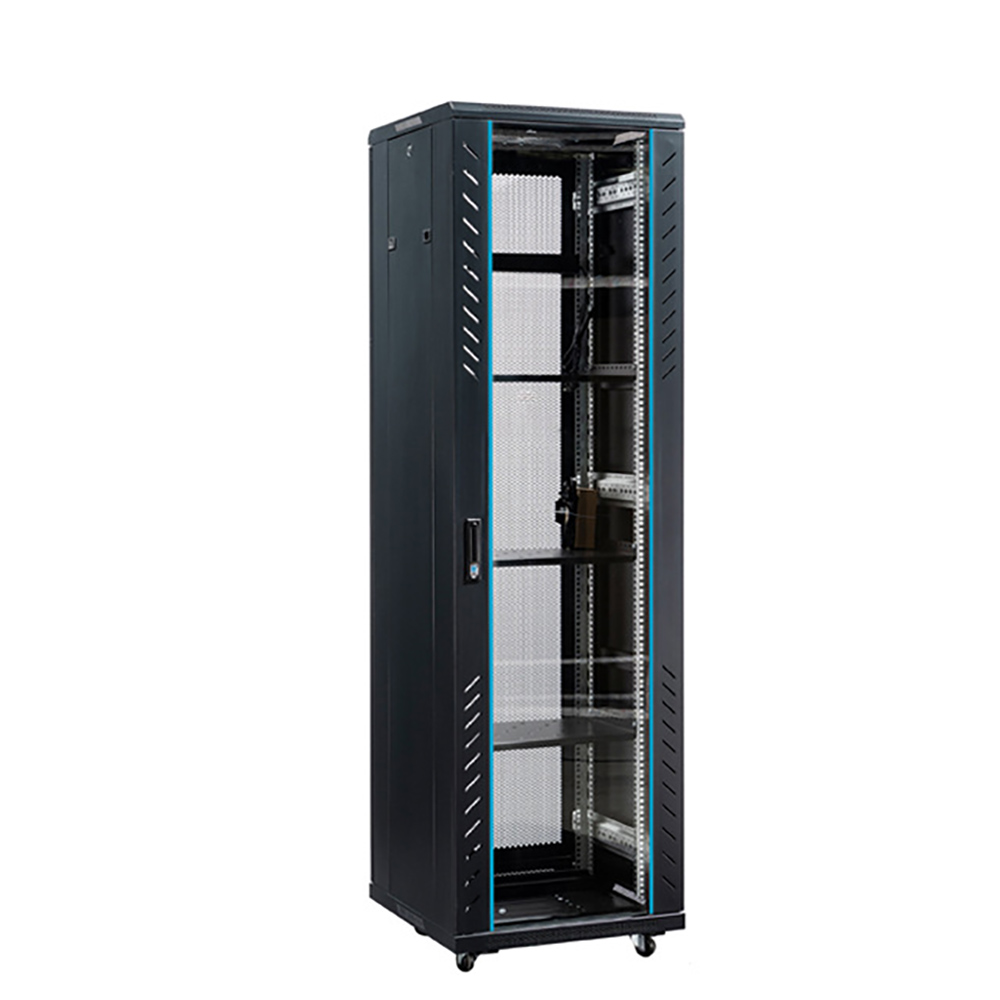
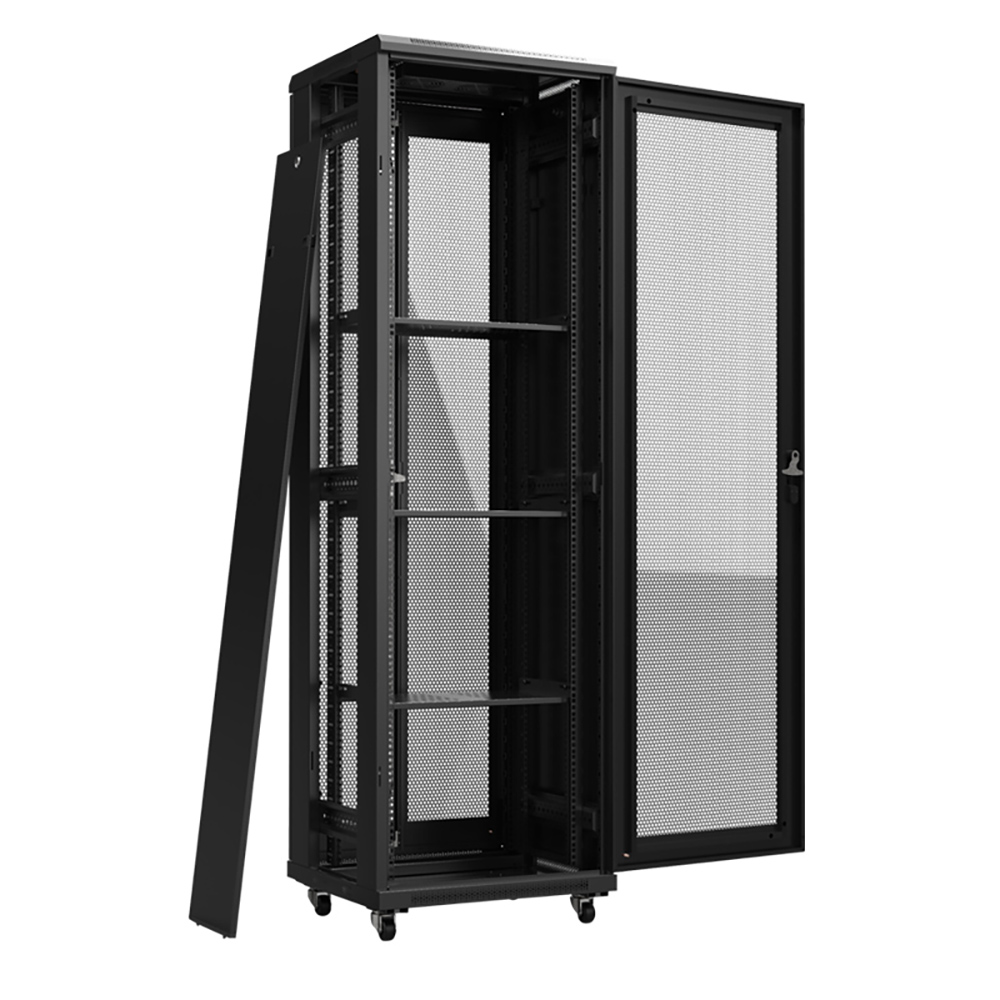
An Open Frame Server Rack provides easy front, rear, and side access for servers, switches, patch panels, PDUs, and other network equipment. Its open construction is particularly practical for network rooms, testing environments, laboratories, and equipment areas where frequent maintenance is required. Compared with enclosed cabinets, the open design allows technicians to reach connected equipment quickly and inspect cable routing from multiple directions. A standard rack configuration can accommodate multiple rack-mounted devices while maintaining a compact equipment footprint. For example, a growing IT department can deploy switches and patch panels on an open frame first, then expand vertically as additional equipment is introduced. This approach supports flexible installation and straightforward service access.
Get A Quote

Case Study

Network Room Equipment Expansion

A regional IT department needed additional rack capacity for switches, patch panels, and network accessories without replacing its existing equipment layout. An Open Frame Server Rack provided a practical solution because technicians could access hardware from multiple sides during installation. The rack accommodated several equipment layers while leaving sufficient room for cable routing and future additions. Its open structure also simplified inspection when connections needed to be changed or tested. During the expansion, the team installed core switches first and reserved additional rack positions for future devices. This phased approach reduced disruption to daily operations and created a more adaptable infrastructure platform for continued network growth and equipment upgrades.

Laboratory Testing Infrastructure

A technology laboratory required a flexible rack structure for testing servers, switches, and network components with different configurations. An Open Frame Server Rack allowed engineers to connect and inspect equipment from the front, rear, and sides without working through narrow cabinet openings. Multiple rack-mounted devices could be arranged vertically while maintaining direct access to ports and cables. During a testing project, engineers frequently replaced network hardware and adjusted connections, making accessibility a major consideration. The open configuration supported these repeated changes and reduced unnecessary handling of surrounding equipment. As new test devices were introduced, unused rack positions provided additional capacity without requiring another enclosure or major changes to the laboratory layout.

Data Center Staging Area

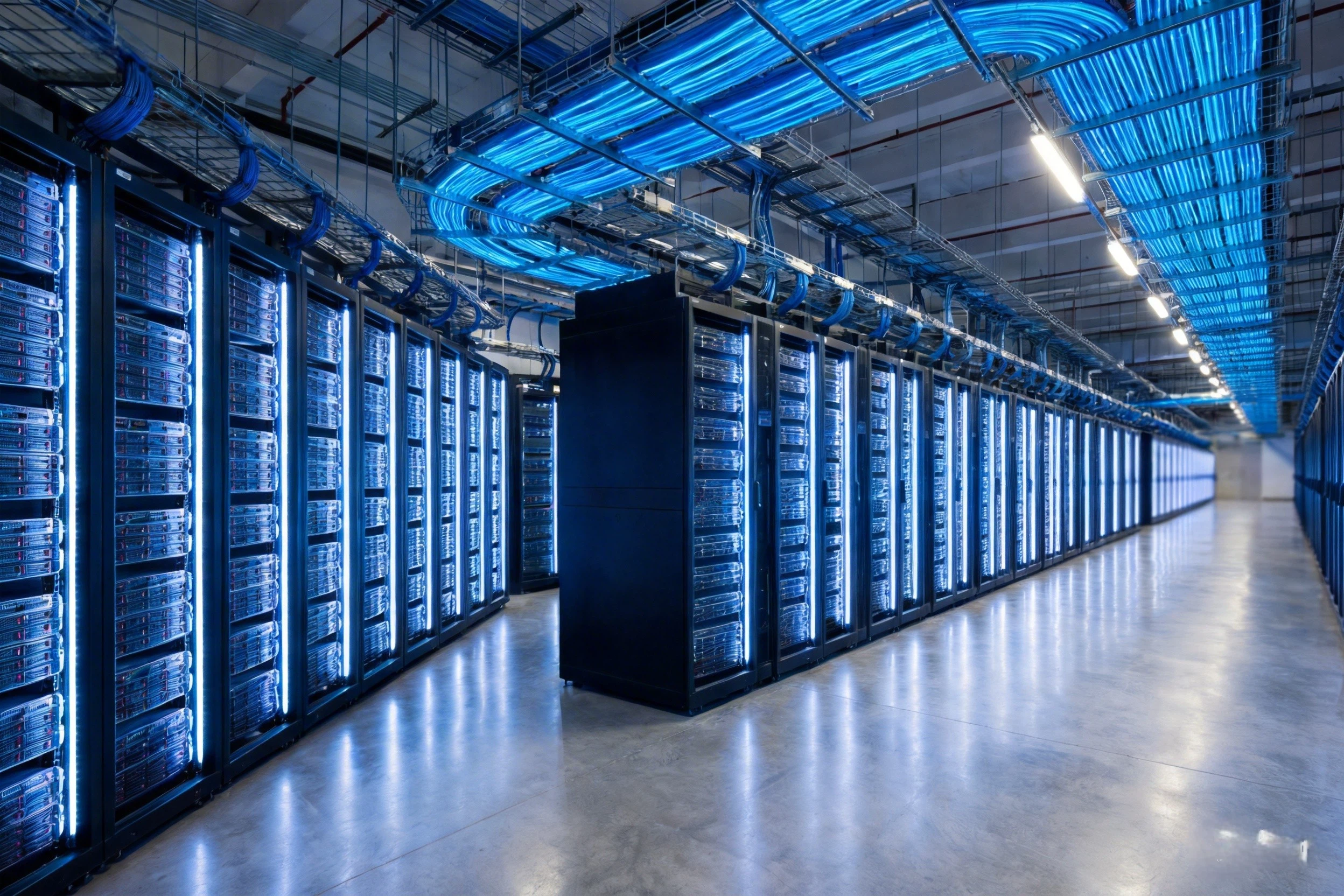
A data center staging area needed temporary rack capacity for equipment preparation before final installation. An Open Frame Server Rack offered convenient access for technicians configuring servers, switches, patch panels, and power accessories before moving equipment into permanent positions. The open structure made it easier to inspect ports, verify cable connections, and perform configuration work from different angles. A 42U-style format can provide substantial vertical space for multiple devices while preserving room for additional hardware. During staged deployment, technicians could install equipment progressively and test connections before relocation. This approach helped organize pre-deployment work and created a reusable rack platform for future projects involving network upgrades, hardware testing, and infrastructure expansion.

Related products

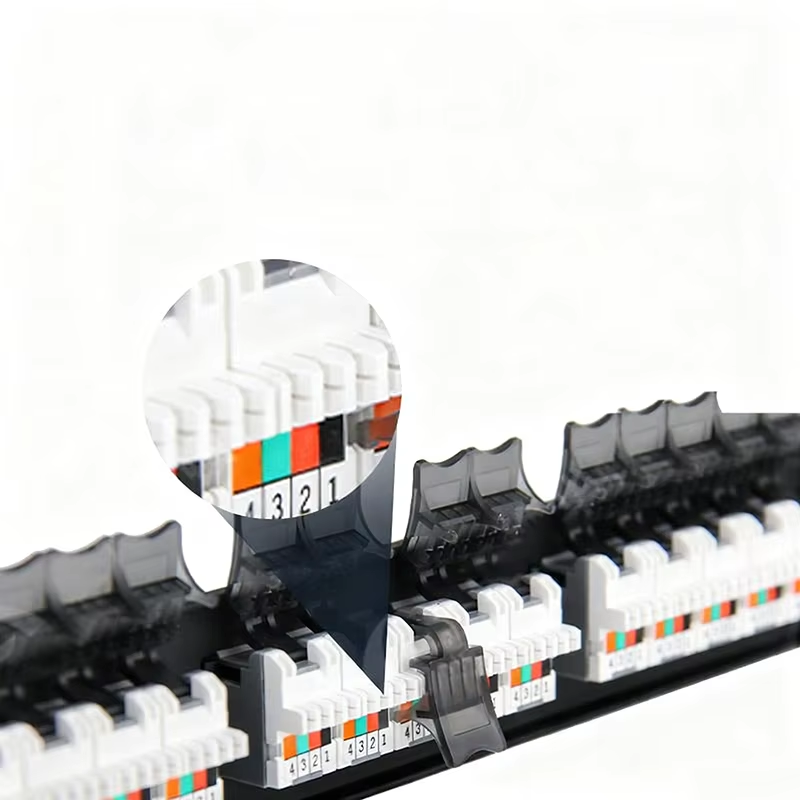
GLGW Network provides Open Frame Server Rack solutions for professional IT environments that require accessibility, flexibility, and organized equipment mounting. The open-frame structure is designed for rack-mounted servers, switches, patch panels, PDUs, and other standard network components. Its accessible construction allows technicians to work around equipment from multiple directions, which can be useful during installation, testing, troubleshooting, and hardware replacement. Rack heights such as 42U can provide substantial vertical capacity for phased infrastructure deployment while preserving a standardized equipment footprint. For example, a network operations team can install switches and patch panels first, then add servers or additional communication hardware as requirements increase. Open-frame construction also makes visual inspection of cabling and equipment easier, supporting practical maintenance routines. GLGW Network focuses on adaptable rack configurations suitable for network rooms, laboratories, staging areas, and technology infrastructure projects.

Frequently Asked Questions

What equipment can an Open Frame Server Rack support?

An Open Frame Server Rack can support standard rack-mounted servers, switches, patch panels, PDUs, storage devices, and network accessories. Its open structure provides direct access to installed equipment, making it suitable for IT rooms, laboratories, staging areas, and network environments where technicians frequently install, test, or replace hardware.
Open racks provide easier access to equipment, cables, and connection ports from multiple directions. This can be valuable in testing rooms, network operations areas, and staging environments where frequent changes are expected. They also provide a practical solution when physical enclosure or restricted cabinet access is not required for the installation.
Yes. An Open Frame Server Rack can provide unused rack positions for future servers, switches, patch panels, or other equipment. A properly selected rack height allows organizations to install hardware progressively instead of filling every position immediately. This makes phased network expansion easier to organize and manage.
Open frame racks are particularly useful in laboratories because technicians can access equipment from several directions during testing and configuration. Engineers can connect cables, replace devices, inspect ports, and rearrange hardware without working through restricted cabinet openings. This flexibility supports frequent equipment changes and experimental network configurations.
Open frame racks are commonly used in network rooms, laboratories, equipment staging areas, test environments, and IT infrastructure spaces. They are suitable where accessibility and flexible equipment mounting are priorities. Before selection, users should consider rack height, equipment dimensions, load requirements, cable routing, and the physical conditions of the installation area.

Related article

The Core of Data Centre Infrastructure – A Professional Analysis of GLGW Network Cabinets

21

May

The Core of Data Centre Infrastructure – A Professional Analysis of GLGW Network Cabinets

View More
Patch cord bending radius affects network performance.

17

Jun

Patch cord bending radius affects network performance.

Real-world cases showing the impact of improper bending on daily network operation Working in the structured cabling and network connectivity sector for over sixteen years, I have witnessed countless network faults traced back to unreasonable bend...
View More
Patch cord matching rules for communication projects.

11

Jul

Patch cord matching rules for communication projects.

Real World Field Experiences with Multi Floor Network Deployments Managing a sprawling multi-floor campus network installation a few years ago taught me that ignoring infrastructure details always leads to signal loss. We noticed severe intermitten...
View More
What Connector Types for Ethernet Patch Cable?

18

Jul

What Connector Types for Ethernet Patch Cable?

Real World Field Challenges with Commercial Network Overhauls During a massive network overhaul for an e-commerce fulfillment hub last year, my deployment team faced an unexpected wave of packet drops and intermittent link drops across the main pac...
View More

Customer Testimonials

James Carter

The open rack gave our team direct access to switches and patch panels during installation. We configured 12 rack-mounted devices efficiently, while the accessible frame made cable inspection and later connection changes significantly easier.

Robert Miller

We used the rack for a laboratory network project involving eight devices. The open structure allowed engineers to reach ports from multiple directions, making repeated hardware changes and connection testing much more convenient.

Get a Free Quote

Our representative will contact you soon.
Email
Mobile/WhatsApp
Name
Company Name
Message
0/1000
Full Equipment Accessibility

Full Equipment Accessibility

An Open Frame Server Rack is designed around accessibility, giving technicians direct access to equipment from the front, rear, and sides. This characteristic is especially valuable when installations involve frequent configuration changes, testing, troubleshooting, or hardware replacement. In a network laboratory, engineers can inspect switch ports and adjust connections without removing equipment from an enclosed cabinet. In a staging area, technicians can configure several rack-mounted devices before moving them into their permanent locations. The open structure also provides clearer visibility of equipment positioning and cable routing. For organizations managing dynamic infrastructure, this accessibility can reduce unnecessary handling and make routine service work more straightforward. It provides a practical foundation for flexible network equipment deployment.
Scalable Rack Capacity for Growing Infrastructure

Scalable Rack Capacity for Growing Infrastructure

Open-frame rack configurations can support phased infrastructure expansion by providing multiple rack positions for current and future equipment. A 42U format, for example, offers substantial vertical mounting space for switches, servers, patch panels, and related hardware. An IT department may initially install only the equipment required for current operations while keeping additional rack positions available for future upgrades. This approach helps maintain an organized installation as network requirements change. The open architecture also makes it easier to introduce equipment with different depths and connection arrangements, subject to compatible mounting specifications. For expanding network rooms and staging environments, scalable rack capacity can simplify equipment planning and reduce the need for frequent structural changes.
Simplified Cable Inspection and Maintenance

Simplified Cable Inspection and Maintenance

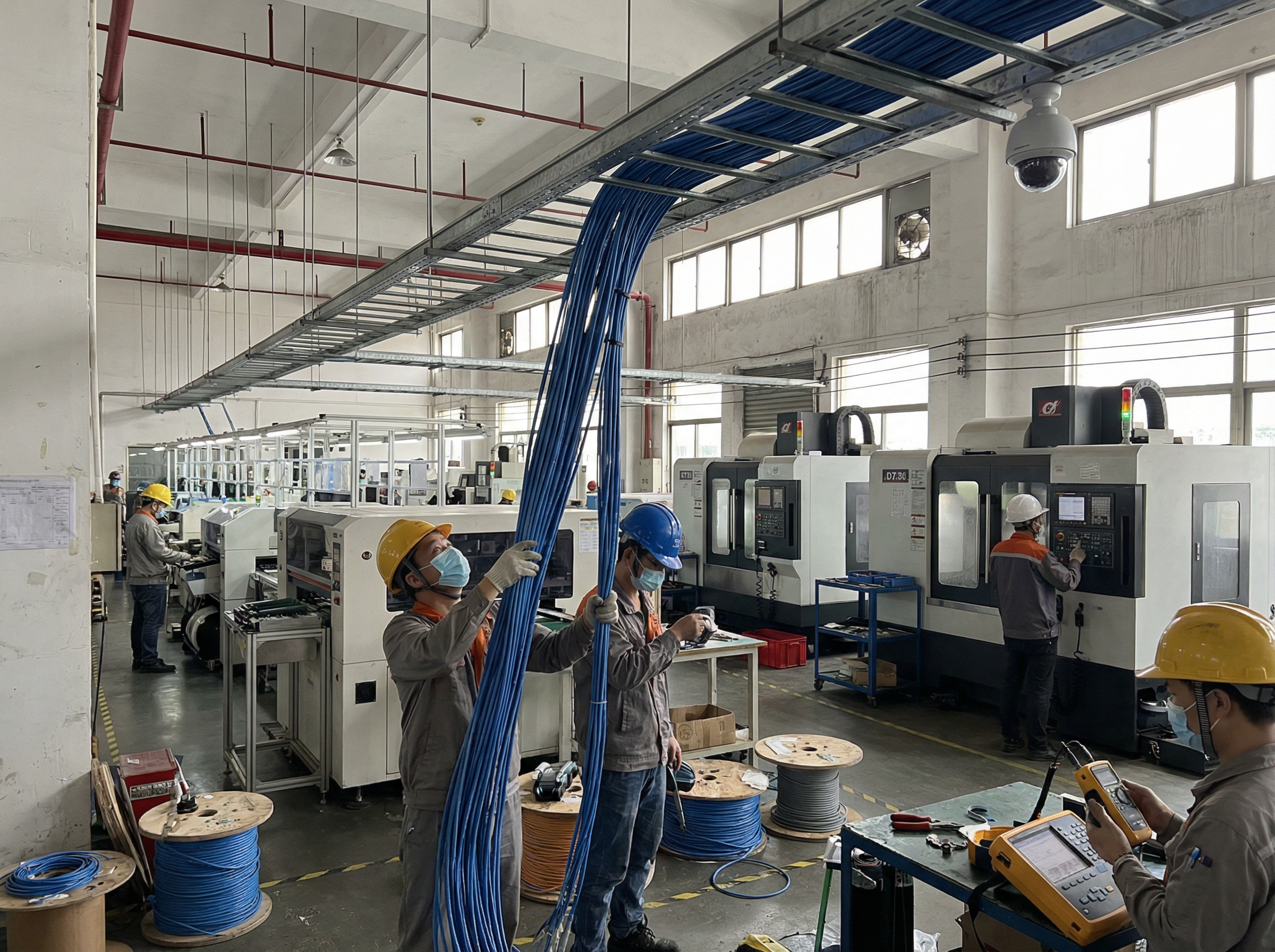
Cable visibility is an important practical benefit when technicians regularly modify network connections. An Open Frame Server Rack leaves the equipment area accessible, allowing users to inspect cables, identify ports, and perform connection changes without navigating a closed enclosure. For example, a network team managing multiple switches and patch panels can visually trace connections during troubleshooting and equipment replacement. This accessible arrangement can make routine maintenance more efficient and reduce unnecessary movement of installed hardware. It is also useful in laboratories where test configurations change frequently and cable connections may be rearranged several times during a project. By combining rack organization with open access, the design supports practical service workflows across dynamic IT environments.

Get a Free Quote

Our representative will contact you soon.
Email
Mobile/WhatsApp
Name
Company Name
Message
0/1000