Underground Fiber Optic Splice Enclosure | IP65 Rated & Expandable

All Categories
Reliable Underground Fiber Splicing and Cable Protection

Reliable Underground Fiber Splicing and Cable Protection

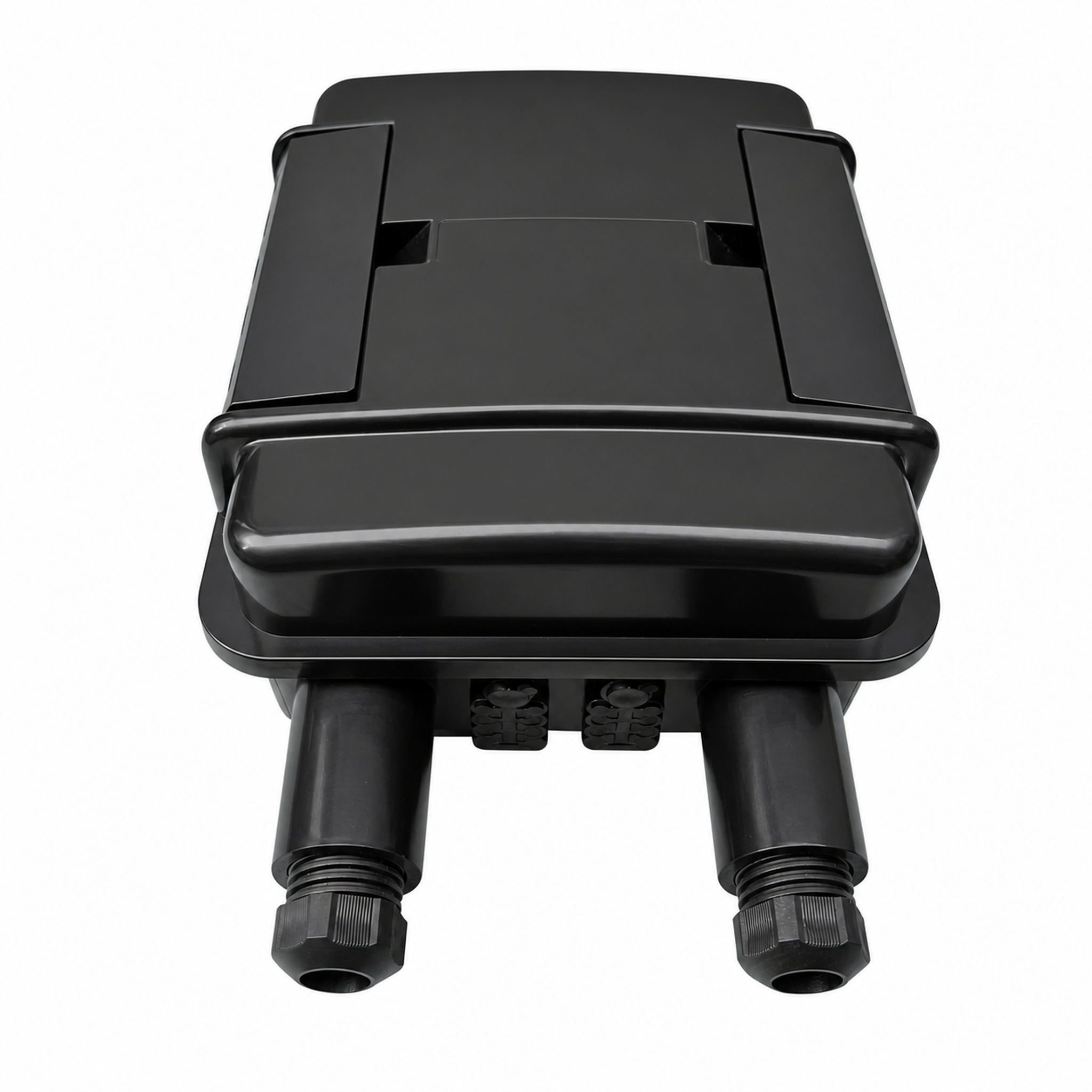
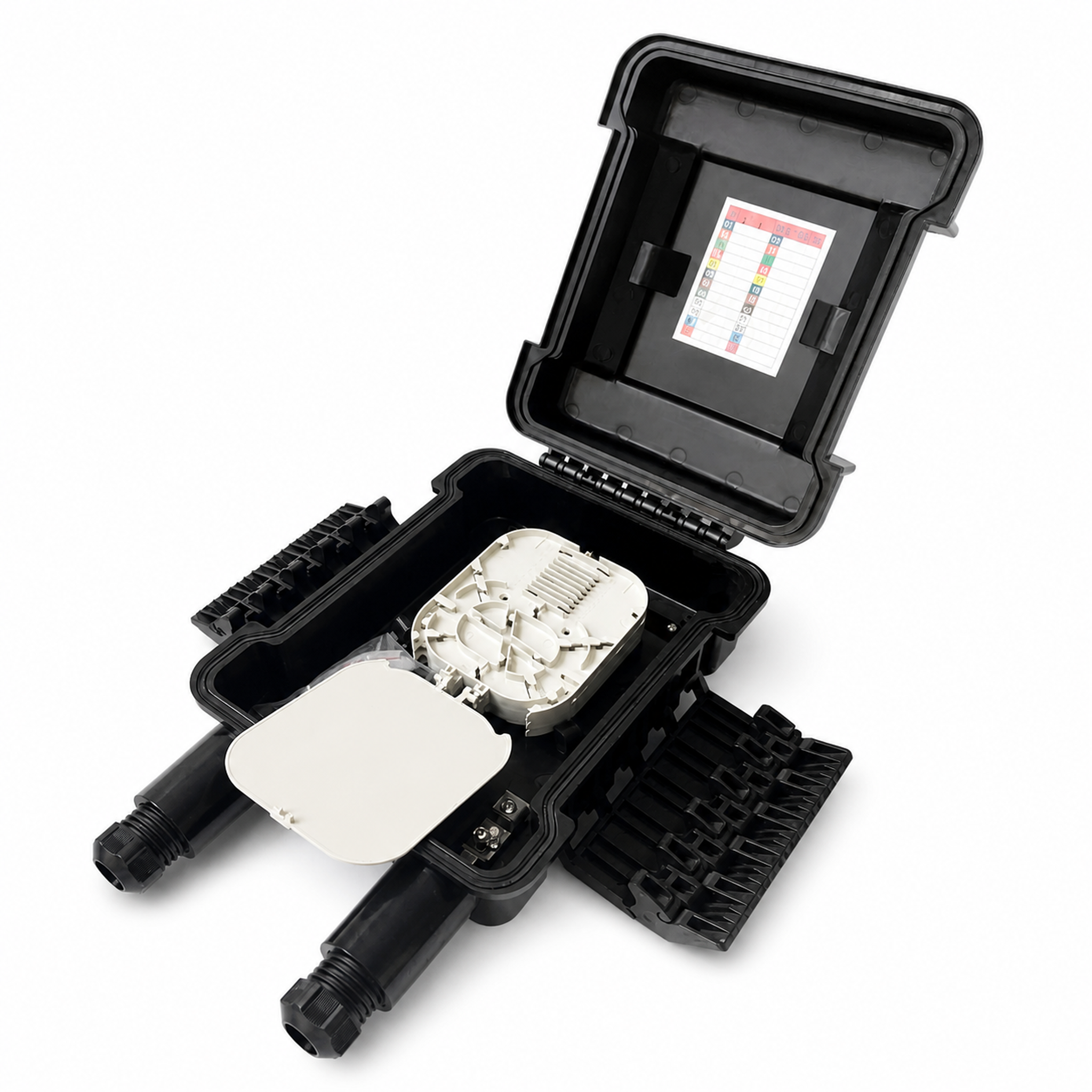
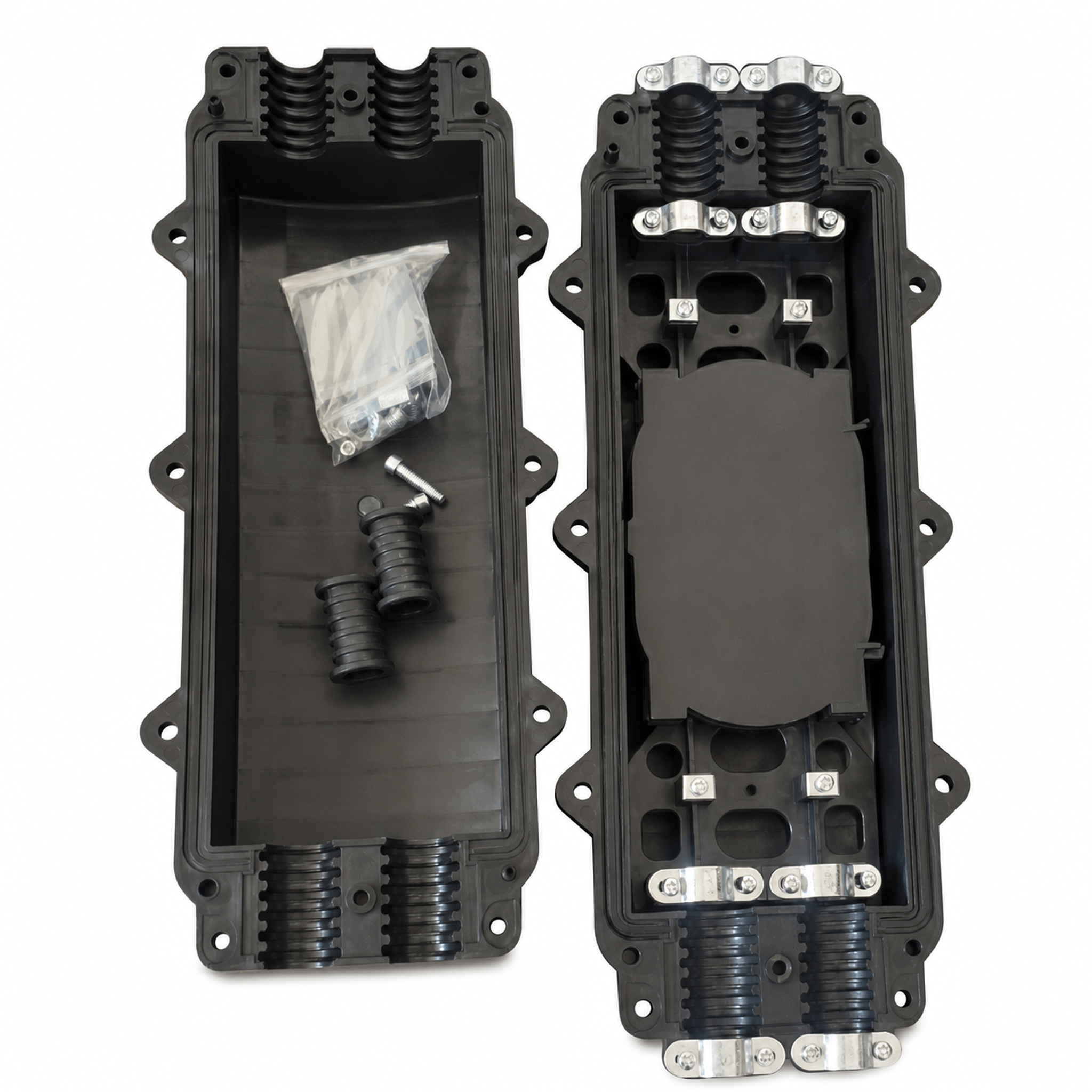
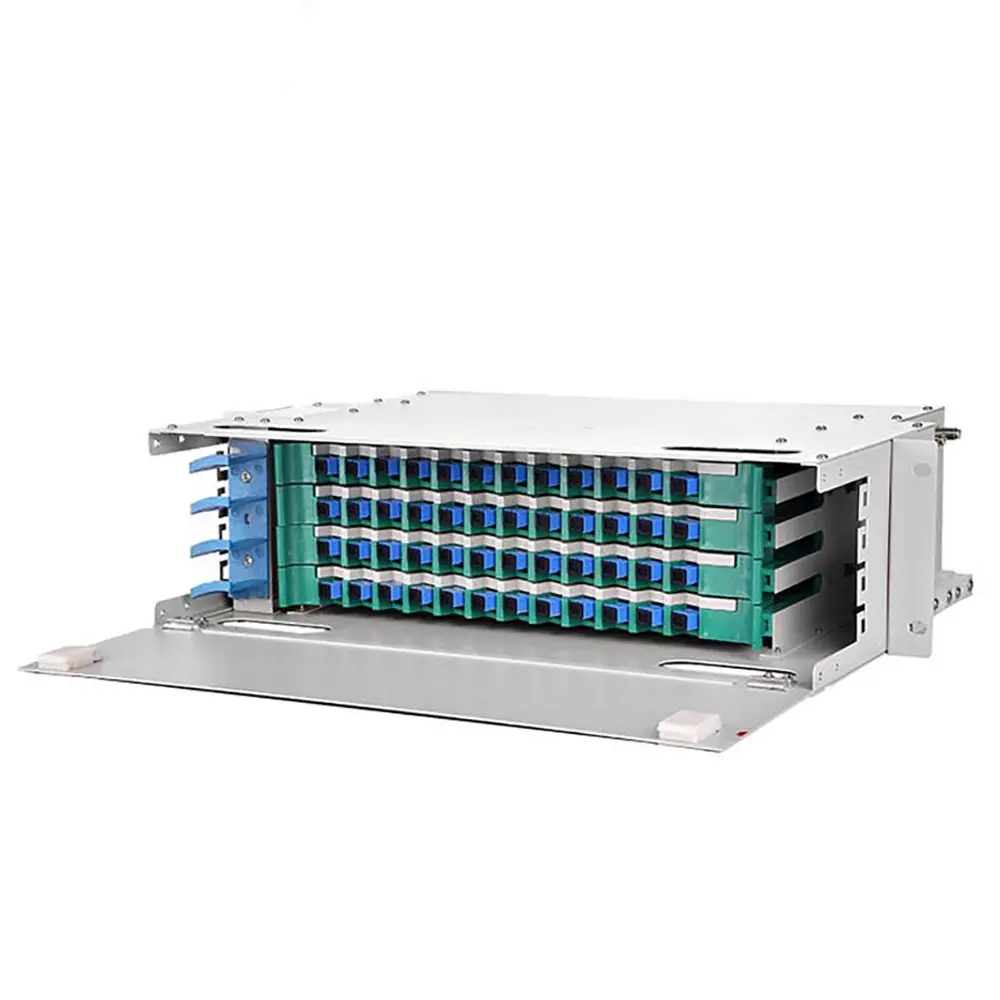
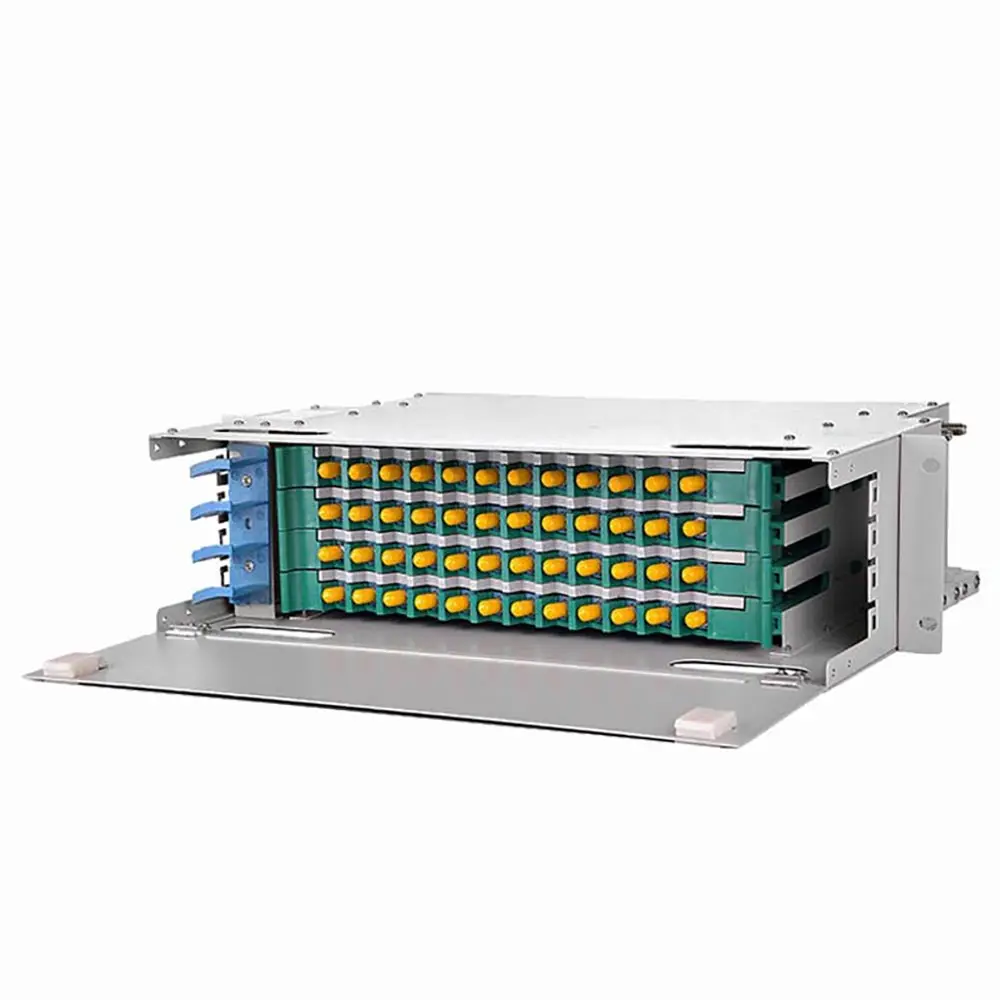
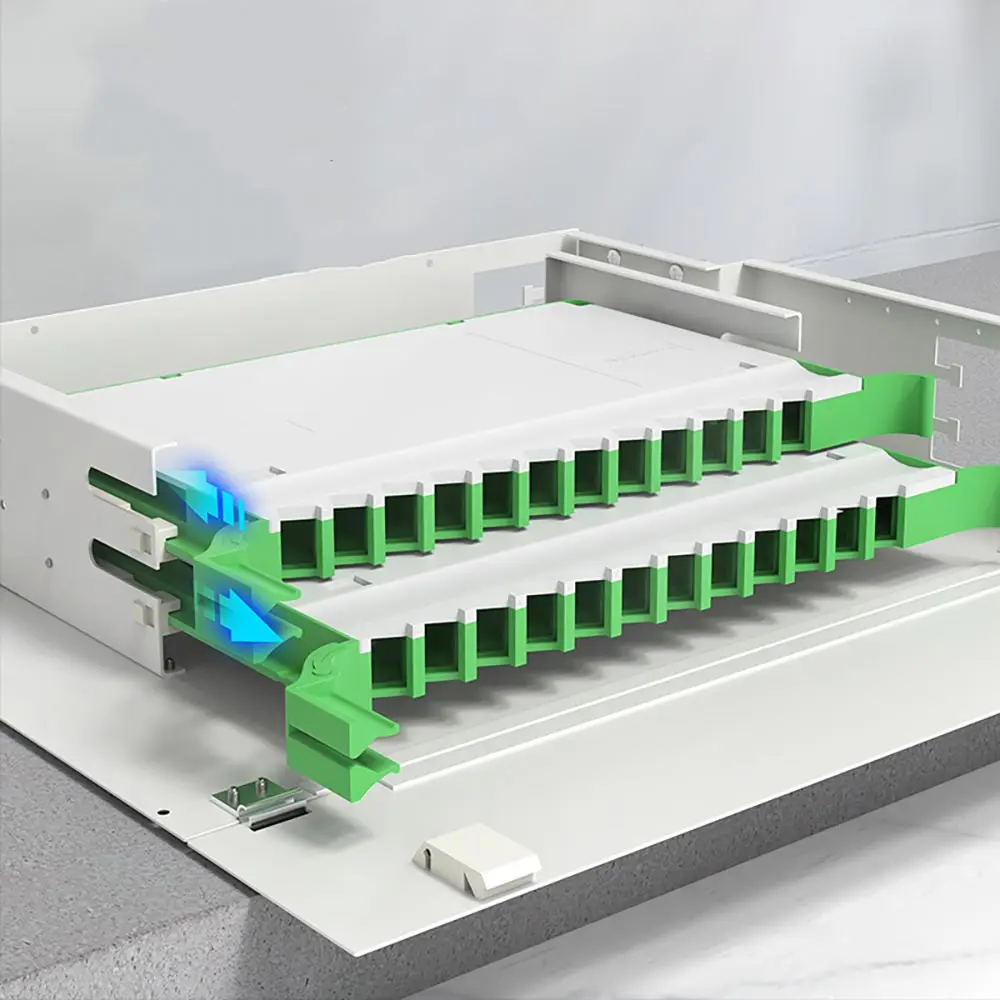
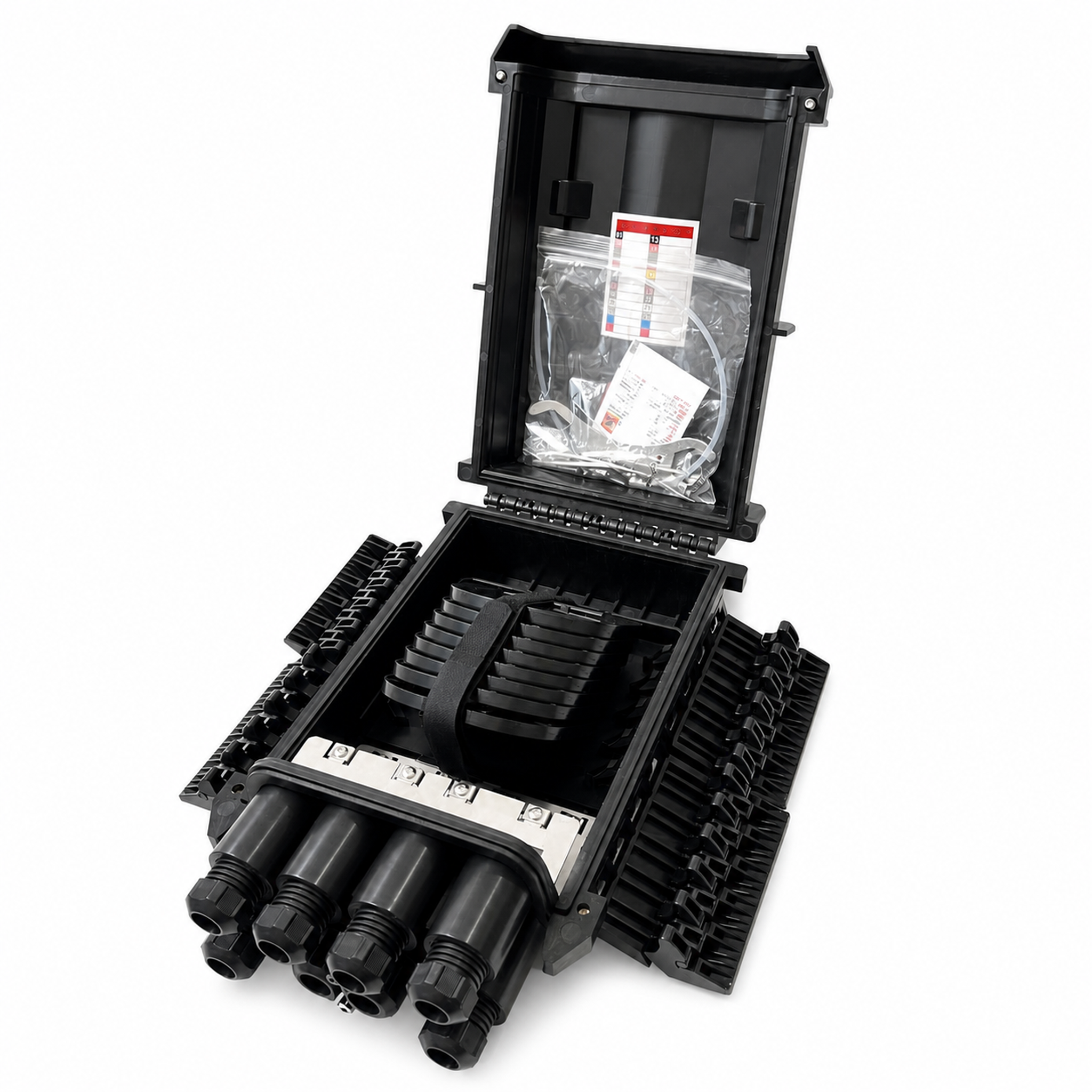
An underground fiber optic splice enclosure provides a protected environment for joining and organizing optical fibers installed below ground. It is designed to help protect splice points from moisture, soil contamination, mechanical stress, and other underground conditions while keeping fiber routing structured and accessible. The enclosure can accommodate splice trays, cable entry ports, sealing components, and fiber management accessories according to project requirements. It is suitable for FTTH, FTTx, metropolitan fiber, broadband, and backbone networks where cables are routed through underground ducts or access points. Configurations can be selected according to fiber count, cable diameter, splice capacity, and installation method. Proper internal routing also helps maintain fiber bend control and simplifies inspection, maintenance, and future network expansion.
Get A Quote

Case Study

Underground FTTH Network

An FTTH contractor needed to connect feeder and distribution cables at an underground access point serving several residential areas. An underground fiber optic splice enclosure was used to organize splice trays and protect the connections from moisture and external contamination. The enclosure provided dedicated cable entry positions and internal routing space, allowing technicians to separate different fiber groups and maintain controlled bending. A configuration supporting multiple splice trays allowed the network to accommodate current connections while leaving room for future expansion. This approach helped create a more organized underground distribution point and made later inspection or repair work easier for technicians working on the broadband access network.

Metro Fiber Infrastructure

A metropolitan fiber project required protected splice points where several underground cable routes were joined. The installation used an underground fiber optic splice enclosure to centralize fiber splicing and cable management inside a protected structure. Incoming cables were secured at dedicated entry positions, while splice trays kept individual fiber groups organized. The enclosure was installed near an underground access point, allowing technicians to reach the splice area when network testing or maintenance was required. With capacity planned around the project fiber count, the solution also provided space for future cable additions. It was suitable for metropolitan broadband, telecom backbone, and urban communication infrastructure.

Underground Broadband Expansion

A broadband operator was expanding an underground fiber route and needed a reliable solution for connecting new cable sections with an existing distribution network. An underground fiber optic splice enclosure was installed at a planned access location to protect and organize the splice connections. The enclosure separated cable entry routes and provided structured space for splice trays, making individual fibers easier to identify during testing. Additional internal capacity was reserved for future network branches as subscriber coverage increased. This configuration supported phased deployment while avoiding unnecessary replacement of the splice point. It is suitable for underground FTTH, broadband access, campus networks, and regional fiber infrastructure projects.

Related products

An underground fiber optic splice enclosure is designed to protect and organize optical fiber splices installed below ground. It provides a dedicated structure for splice trays, cable entry, fiber routing, and sealing components while helping isolate sensitive connections from moisture, soil, and mechanical stress. The enclosure can be configured according to fiber count, cable diameter, splice capacity, and installation requirements. For underground FTTH and broadband networks, it can connect feeder and distribution cables at designated access points. In metropolitan and backbone networks, it can manage multiple cable sections where reliable splice protection is required. Organized internal routing helps maintain appropriate fiber bend control and makes individual splice groups easier to identify during maintenance. By combining environmental protection with structured fiber management, the enclosure supports installation, testing, repair, and future network expansion in underground communication infrastructure.

Frequently Asked Questions

What is an underground fiber optic splice enclosure?

An underground fiber optic splice enclosure is a protective housing designed for optical fiber splicing below ground. It provides space for splice trays, cable routing, and cable entry while helping protect fiber connections from moisture, soil contamination, mechanical stress, and other underground environmental conditions.
They are commonly used in underground FTTH, FTTx, broadband, metropolitan fiber, campus, and telecom backbone networks. Typical installation points include underground ducts, access chambers, utility corridors, and other locations where optical cables are routed below ground.
Key factors include fiber count, splice capacity, cable diameter, number of cable entries, sealing requirements, installation method, and available underground space. The enclosure should also provide enough internal routing capacity to maintain appropriate fiber bending and support planned network expansion.
The enclosure creates a protected internal environment around splice trays and cable connections. Sealing components and controlled cable entry help limit exposure to moisture and contamination, while the enclosure structure provides additional protection against physical stress encountered in underground installation environments.
Yes, a suitable configuration can reserve internal space for additional splice trays, fibers, or cable branches. Planning extra capacity during the initial installation allows network operators to expand connections later without replacing the complete enclosure, which is useful for phased broadband deployment.

Related article

Looking for Reliable PDU & Fibre Optic Cable Suppliers in China? Visit GLGW at the Global Sources Hong Kong Show (Booth 9B43)

08

May

Looking for Reliable PDU & Fibre Optic Cable Suppliers in China? Visit GLGW at the Global Sources Hong Kong Show (Booth 9B43)

View More
Intelligent Cabling Solutions for Future Networks

21

May

Intelligent Cabling Solutions for Future Networks

View More
How to lay bulk cable along pipelines safely?

21

Jul

How to lay bulk cable along pipelines safely?

Real World Field Experiences with Industrial Co Location Routing During an extensive industrial network expansion across a remote coastal oil terminal three summers ago, my installation team faced a massive challenge with electromagnetic interferen...
View More
High durability patch cord for industrial network systems.

07

Sep

High durability patch cord for industrial network systems.

Industrial Patch Cord Explained: Construction, Durability, and Selection Guide for Harsh Environments What Is an Industrial Patch Cord and Why Is It Different from Standard Network Cables? An industrial patch cord is a specially designed Ethernet c...
View More

Customer Testimonials

Mark Thompson

“The enclosure gave our installation team a structured way to manage underground fiber splices. Cable entry and splice tray organization were straightforward, making inspection and maintenance more efficient.”

Andrew Carter

“We installed the enclosure on an underground broadband route with several cable branches. The internal space helped us keep splice groups organized and prepared for future fiber additions.”

Get a Free Quote

Our representative will contact you soon.
Email
Mobile/WhatsApp
Name
Company Name
Message
0/1000
Underground Fiber Splice Protection

Underground Fiber Splice Protection

Underground fiber optic splice enclosures provide a dedicated structure for protecting optical connections below ground. Their internal design can accommodate splice trays, cable entry components, and organized fiber routing while helping shield splice points from moisture, soil contamination, and mechanical stress. For underground broadband and FTTH networks, controlled cable routing is important because multiple feeder and distribution cables may converge at the same access point. A structured enclosure makes these connections easier to identify and service. Fiber counts, cable diameters, and splice capacities can be considered during configuration. With appropriate sealing and internal management, the enclosure provides a practical solution for maintaining protected splice points throughout underground communication infrastructure.
Designed for Underground FTTH Networks

Designed for Underground FTTH Networks

Underground FTTH networks require reliable connection points where feeder cables are joined with distribution routes serving residential or commercial areas. An underground fiber optic splice enclosure can centralize these connections while providing structured space for splice trays and cable management. Multiple cable entry positions allow different network routes to be organized within one enclosure. Internal routing helps maintain fiber bend control and makes individual splice groups easier to identify during installation and maintenance. The configuration can be selected according to project fiber count and future expansion plans. This makes the enclosure suitable for residential broadband expansion, metropolitan access networks, campus infrastructure, and other underground fiber deployments.
Flexible Capacity for Future Expansion

Flexible Capacity for Future Expansion

Network expansion should be considered when planning an underground fiber splice point. An appropriately sized enclosure can provide current splice capacity while reserving space for additional fibers, splice trays, or cable branches. This is particularly useful for broadband networks that are deployed in phases as new service areas are added. Structured internal routing allows technicians to introduce additional connections while keeping existing splice groups organized. For example, a project may initially connect several distribution cables and later introduce additional branches as coverage increases. By combining protected splicing with expandable cable management, an underground fiber optic splice enclosure can support long-term network development while simplifying future maintenance and upgrade work.

Get a Free Quote

Our representative will contact you soon.
Email
Mobile/WhatsApp
Name
Company Name
Message
0/1000