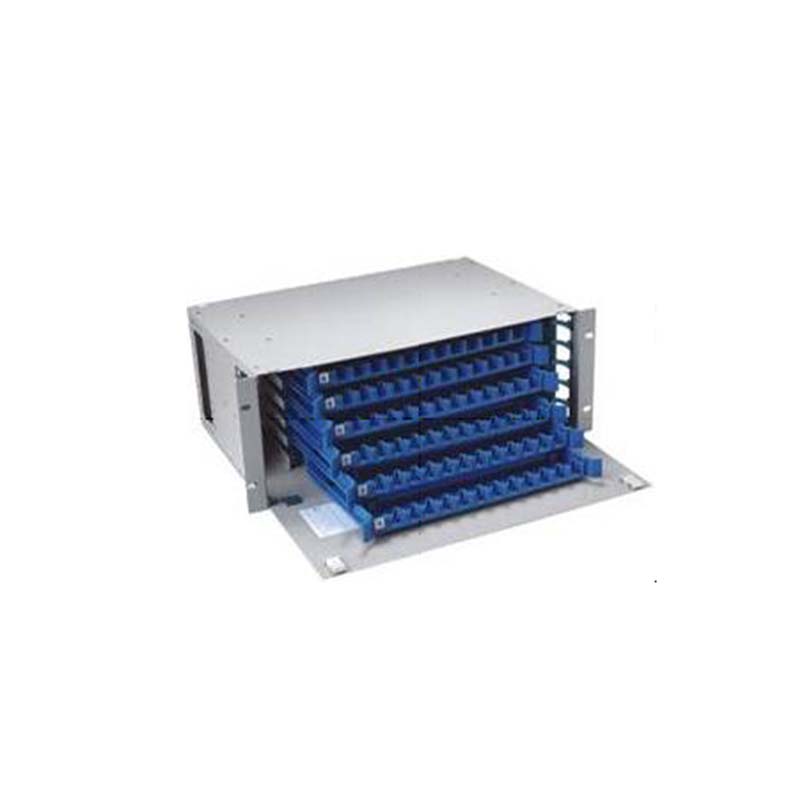
Outdoor Server Cabinet: IP65-Rated Edge Infrastructure Solution

All Categories
Protected Server Infrastructure for Outdoor Deployment

Protected Server Infrastructure for Outdoor Deployment

An outdoor server cabinet provides a structured enclosure for installing and protecting servers, networking equipment, power systems, and related electronics outside conventional data center environments. It can be configured around equipment dimensions, rack requirements, cooling needs, power distribution, cable entry, and maintenance access. For example, a remote communication site supporting 10 rack-mounted devices may require a compact cabinet with controlled airflow and organized power and network connections. Outdoor configurations can support telecom stations, industrial facilities, surveillance systems, edge computing, and remote network nodes. Proper cabinet planning considers temperature management, environmental exposure, equipment weight, security, and future expansion. A suitable enclosure helps create an organized deployment platform where computing and networking equipment must operate closer to users or field infrastructure.
Get A Quote

Case Study

Edge Computing Deployment

A regional edge computing project required local processing equipment at several remote locations instead of sending every workload to a centralized data center. Each site installed an outdoor server cabinet containing rack-mounted computing and networking equipment. The cabinet configuration was planned around approximately 10 devices, available power, cable routing, and cooling requirements. Engineers also considered local environmental conditions and maintenance access before installation. The enclosure provided a centralized structure for equipment installation while keeping power and network connections organized. As additional edge workloads were introduced, the rack layout could accommodate future equipment according to available space and power capacity.

Remote Telecom Site

A telecom operator needed secure equipment enclosures for remote communication stations located outside conventional server rooms. Each outdoor server cabinet was configured to accommodate network equipment, power distribution, and rack-mounted computing devices. The installation plan considered equipment heat generation, cable entry, maintenance clearance, and site conditions. With several network devices installed at each location, organized rack management helped technicians identify connections more efficiently during service visits. The modular cabinet approach also provided space planning for future equipment additions. This type of deployment can help operators establish practical computing and networking infrastructure closer to remote users and communication equipment.

Industrial Monitoring System

An industrial facility deployed local servers and network equipment for monitoring production systems, security cameras, and operational data. Because some equipment needed to be positioned near outdoor production areas, an outdoor server cabinet was used as a centralized equipment enclosure. The cabinet layout was designed around rack dimensions, power connections, network cables, and heat management. Approximately 8 rack-mounted devices were initially installed, with additional space reserved for future expansion. Structured cable routing simplified service work and reduced unnecessary handling of neighboring connections. The deployment provided a practical edge infrastructure platform for processing and managing data closer to the monitored industrial environment.

Related products

An outdoor server cabinet provides a dedicated rack enclosure for computing, networking, power, and communication equipment deployed outside traditional data centers. Depending on project requirements, the cabinet can accommodate rack-mounted servers, switches, patch panels, PDUs, UPS equipment, and other supporting components. Internal layout, cable entry, rack dimensions, cooling configuration, and service access can be planned around the installed equipment. For edge computing, telecom, industrial monitoring, security, and remote communication applications, cabinet selection should consider equipment heat output, power consumption, environmental conditions, security, and available installation space. For example, a remote site with 8 to 12 rack-mounted devices may require different cooling and power arrangements from a higher-density deployment. A well-planned enclosure helps organize equipment and cables while supporting practical maintenance. Depending on the application, configurations can be adapted for roadside sites, industrial facilities, communication stations, and other locations requiring protected outdoor computing infrastructure.

Frequently Asked Questions

What is an outdoor server cabinet used for?

An outdoor server cabinet provides a protected enclosure for servers, switches, power equipment, and other electronics installed outside conventional data centers. It is commonly used for edge computing, telecom, industrial monitoring, surveillance, and remote networking where equipment needs to operate closer to field infrastructure.
Depending on cabinet dimensions and rack configuration, equipment can include servers, network switches, patch panels, PDUs, UPS systems, routers, and other rack-mounted devices. The internal layout should be planned according to equipment dimensions, power requirements, cooling needs, and cable management.
Cooling depends on equipment heat output, cabinet design, and environmental conditions. Configurations may use ventilation, heat exchange, air conditioning, or other thermal management methods. Engineers should evaluate total heat load, ambient temperature, airflow, and equipment operating requirements when selecting a suitable cooling approach.
They can be installed at telecom stations, industrial facilities, edge computing sites, surveillance locations, transportation infrastructure, campuses, and remote network nodes. The cabinet should be selected according to local environmental conditions, available space, power supply, equipment requirements, and maintenance access.
Yes, if the cabinet is selected with sufficient rack space, power capacity, cooling capability, and cable management provisions. Planning for future equipment can reduce the need for early cabinet replacement. The required expansion space depends on the site's expected computing and networking growth.

Related article

Intelligent Power Distribution, Precision Metering – An In-Depth Look at the GLGW PDU Series

21

May

Intelligent Power Distribution, Precision Metering – An In-Depth Look at the GLGW PDU Series

View More
Intelligent Cabling Solutions for Future Networks

21

May

Intelligent Cabling Solutions for Future Networks

View More
G.657.A2 Single-Mode Fiber for Reliable High-Speed Optical Networks

09

May

G.657.A2 Single-Mode Fiber for Reliable High-Speed Optical Networks

G.657.A2 single-mode fiber offers excellent bend performance, stable transmission, and flexible installation for FTTH, indoor cabling, access networks, and high-speed optical communication systems.
View More
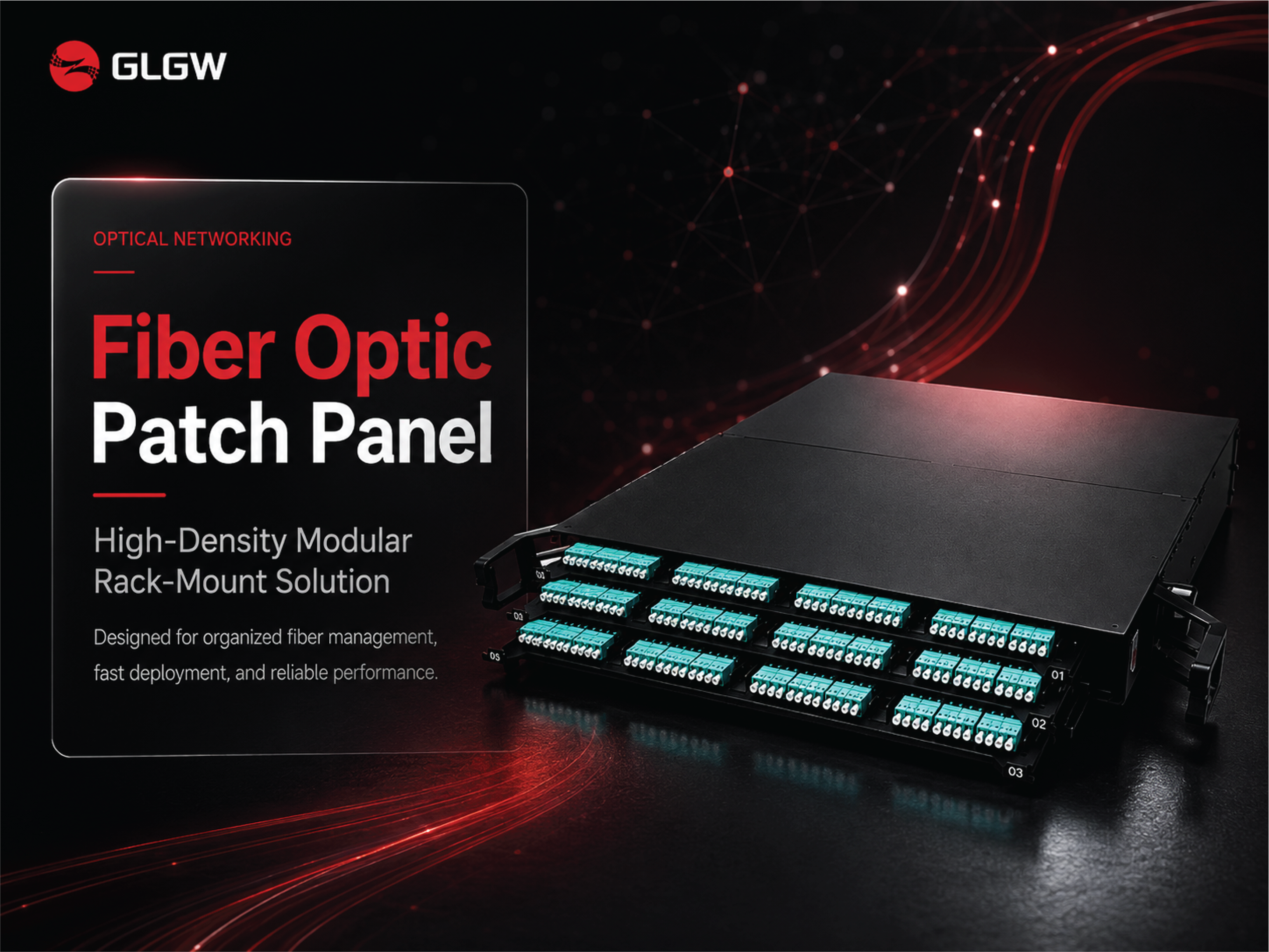
Fiber Optic Patch Panel: High-Density Modular Rack-Mount Solution for Reliable Network Management

21

May

Fiber Optic Patch Panel: High-Density Modular Rack-Mount Solution for Reliable Network Management

Discover how a high-density fiber optic patch panel improves cable organization, network reliability, scalability, and maintenance for data centers, telecom, FTTX, and enterprise networks.
View More

Customer Testimonials

Daniel Scott

Our remote edge site installed 10 rack-mounted devices in the cabinet. The organized layout simplified cable management and gave technicians better access during scheduled maintenance and equipment replacement.

Michael Evans

We deployed eight network and computing devices at an industrial site. The cabinet helped centralize equipment, power connections, and cabling while leaving room for additional hardware.

Get a Free Quote

Our representative will contact you soon.
Email
Mobile/WhatsApp
Name
Company Name
Message
0/1000
Organized Rack-Mounted Equipment

Organized Rack-Mounted Equipment

An outdoor server cabinet creates a centralized platform for installing servers, switches, PDUs, UPS systems, patch panels, and other rack-mounted equipment. The internal layout can be configured around equipment height, depth, weight, power requirements, and cable routing. For a remote deployment containing 8 to 12 devices, organized rack positioning can make connections easier to identify and simplify maintenance. Cable entry locations can also be planned to separate power and network connections where appropriate. Depending on the application, the cabinet can support edge computing, telecom, industrial monitoring, transportation, and surveillance infrastructure. A structured enclosure helps reduce equipment clutter while providing technicians with practical access to installed hardware and supporting components during installation, inspection, and replacement.
Flexible Cooling and Power Planning

Flexible Cooling and Power Planning

Outdoor computing equipment can generate significant heat, making thermal management an important part of cabinet design. An outdoor server cabinet can be configured around equipment heat load, ambient temperature, power consumption, and required operating conditions. Cooling arrangements may include ventilation, heat exchange, air conditioning, or other suitable thermal solutions depending on the installation. Power planning can include PDUs, UPS equipment, and defined cable entry points to support the installed devices. For example, a cabinet containing 10 rack-mounted servers and network devices may require substantially different cooling capacity from a low-density communication enclosure. Engineers should evaluate equipment specifications before selecting the cabinet configuration. Proper planning helps maintain a practical environment for continuous outdoor computing operation.
Scalable Edge Computing Infrastructure

Scalable Edge Computing Infrastructure

As computing moves closer to users and field equipment, outdoor edge infrastructure needs to accommodate changing workloads and equipment requirements. An outdoor server cabinet can provide rack space for current hardware while allowing capacity to be reserved for future expansion. A remote installation may initially contain eight servers, switches, or communication devices and later add additional equipment as local processing demand increases. Cabinet planning should therefore consider rack height, available power, cooling capacity, cable management, equipment weight, and maintenance clearance. The enclosure can be configured for telecom stations, industrial sites, surveillance networks, transportation systems, and other distributed computing applications. By organizing computing hardware in a dedicated cabinet, operators can create a more manageable platform for expanding edge infrastructure outside centralized data centers.

Get a Free Quote

Our representative will contact you soon.
Email
Mobile/WhatsApp
Name
Company Name
Message
0/1000